
 YouTube
 Apple Podcasts
 Spotify
 iHeartRadio
 Pandora
 PocketCasts
 Life After Getting Kicked Out of the SEALs, OD'ing on Fentanyl & Trying to Commit Suicide by Volcano
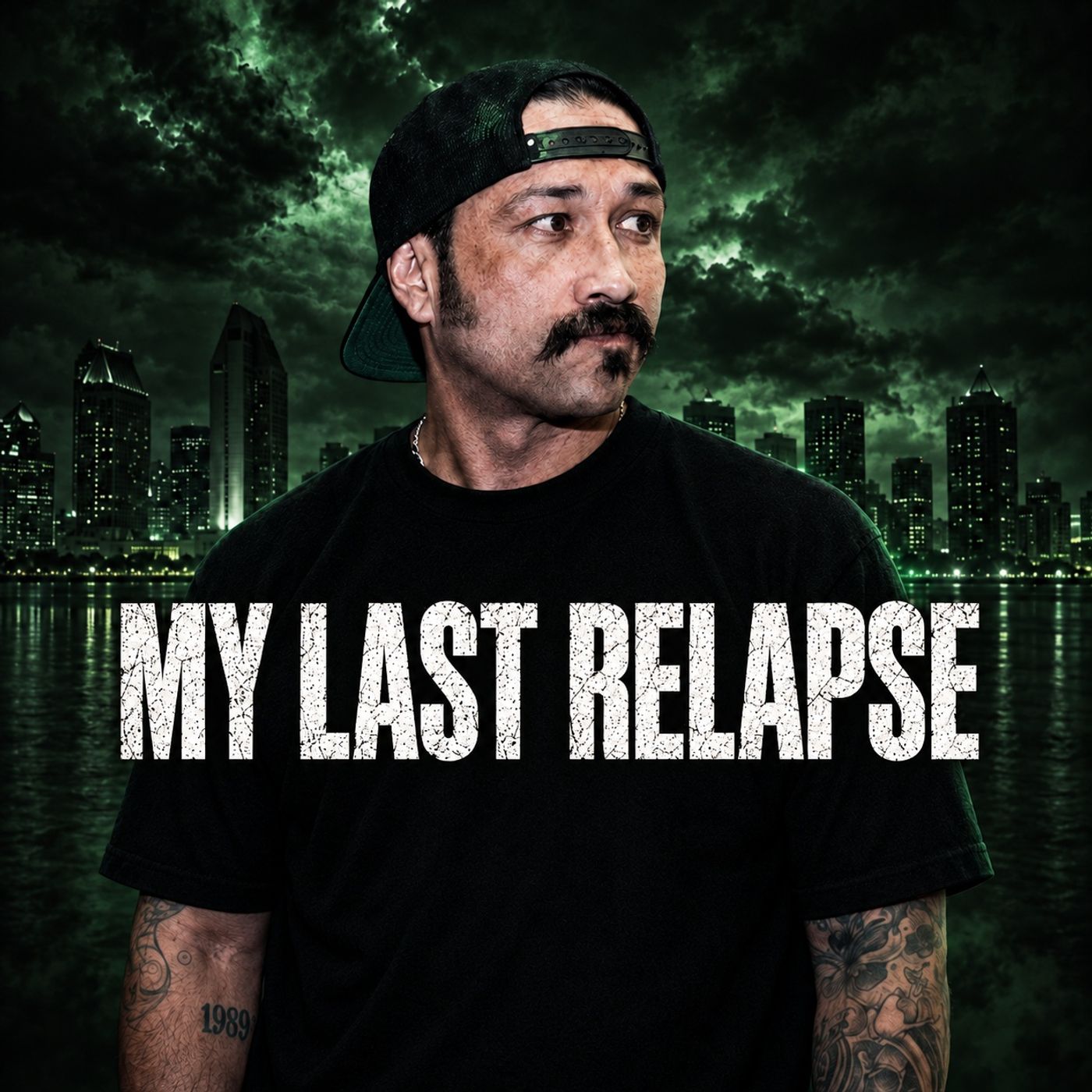
Taylor Cavanaugh grew up in San Diego with drugs and alcohol in the house from early on. His father had substance problems and financial instability, and Taylor was eventually kicked out of high school for dealing ecstasy and somas.
At 18, after getting mixed up in a stolen property situation, he checked into what turned out to be a lockdown psych ward in El Cajon — sharing a floor with old women with dementia and a Marine detoxing off heroin.
He moved to Boston, where arrests and DUIs kept stacking up. The Marines turned him down. The Army turned him down. The SEALs took him. He completed training and made it into the teams — the one institution, he says, that ever gave him a real shot. The habits started slipping almost immediately. A teammate warned him in the parking lot one morning to slow down. He brushed it off. That same week, on a training trip, he was arrested on an aggravated assault charge.
What followed unraveled fast — a federal charge, marshals trying to extradite him, a half-million-dollar lawsuit, and getting kicked out of the military entirely. In civilian life he moved into real estate and cannabis, and the substances escalated: Adderall, Xanax, and then fentanyl, which he sought out deliberately for its potency. He was ODing regularly, driving himself to the ER to get stitched up, and going straight to meetings — still managing a venture capital operation throughout.
Homeless and suicidal, he found himself on the Big Island of Hawaii genuinely planning to jump into an active volcano. Thinking about his mother and sister — the mess he’d leave behind — he put the plan down. He flew to France and joined the French Foreign Legion, becoming the only person in history to serve as both a U.S. Navy SEAL and a French Foreign Legionnaire. He spent close to five years there, building discipline and a daily blueprint from the ground up.
He came back to the U.S. about two years ago and launched TCAV Training, a coaching practice built on the premise that discipline — not just sobriety — is what actually changes a life.
He’s the mentor who reached Matt Handy when Matt felt a relapse coming after three and a half years sober. Taylor’s prescription was simple: go to sleep, wake up early, do pushups, go to the gym, then call me. Matt never stopped.
TAYLOR CAVANAUGH is the only person on earth to have served as both a United States Navy SEAL and a French Foreign Legionnaire. After years of arrests, addiction, and planning to jump into a volcano, he rebuilt his life through discipline and deliberate living. He now runs TCAV Training, coaching people on body, mind, and life transformation.
Follow Taylor on Instagram @tcavofficial
Learn more at taylorcavanaugh.com
Matt Handy is the founder of Harmony Grove Behavioral Health in Houston, Texas, where their mission is to provide compassionate, evidence-based care for anyone facing addiction, mental health challenges, and co-occurring disorders.
My Last Relapse explores what everyone is thinking but no one is saying about addiction and recovery through conversations with those whose lives have changed.
For anyone disillusioned with traditional recovery and feeling left out, misunderstood, or weighed down by unrealistic expectations, this podcast looks ahead—rejecting the lies and dogma that keep people from imagining life without using.
Got a question for us? Leave us a message or voicemail at mylastrelapse.com
Follow Matt on Instagram @matthew.handy.17
About Harmony Grove Behavioral Health
Harmony Grove delivers outpatient addiction and mental health treatment focused on wellness, creativity, and authentic human connection—providing a supportive space for healing that extends beyond traditional clinical care. Find out more at harmonygrovebh.com
Harmony Grove’s IOP in Houston, Texas, is more than a program; it’s a lifeline for those ready to take the next step in their recovery. We are ready to meet you where you are and find your unique path to change.
If you’re feeling overwhelmed or struggling, you don’t have to face it alone. Reaching out for support is a sign of strength, and help is always available. If you or anyone you know needs help, give us a call 24 hours a day at 844-430-3060.
Host: Matthew Handy
Producer: Eva Sheie
Assistant Producer: Mary Ellen Clarkson
Engineering: Chris Mann
Theme music: Survive The Tide, Machina Aeon
Cover Art: DMARK
Taylor (00:00:01):
But if the ice is dropping, are you talking about ice dropping in your house?
Matt (00:00:04):
So yeah, I tell people-
Taylor (00:00:05):
I kick that shit under the fridge. Any common-
Matt (00:00:08):
No.
Taylor (00:00:09):
Any motherfucker worth their salt knows if the ice cube drops, unless it's a bunch, you slide that bitch under the fridge.
Matt (00:00:15):
Dude, I tell people a really good indicator of where you're at mentally is if you kick it under the fridge. I'm Matt Handy and you're listening to My Last Relapse. Okay. Taylor Cavanaugh.
Taylor (00:00:31):
Yeah.
Matt (00:00:33):
I really appreciate you coming, dude.
Taylor (00:00:34):
Dude, I appreciate the invite, man. We've been linked for a while now, man, and you've just been crushing it, dude.
Matt (00:00:41):
Thank you. I talk about it all the time that I owe you a lot for where I'm at, dude. I really do.
Taylor (00:00:49):
Yeah. well, you fucking did it. No one did it for you. It's like we all have these moments and these people that kind of guide us and anybody who says they're self-made is full shit, doesn't exist. We all exist with this interconnected thing and it's like certain people at the right time. But if you aren't taking those steps and those actions, bro, nothing's happening.
Matt (00:01:11):
Yeah.
Taylor (00:01:12):
No matter who the fuck shows you, man. Michael Jordan could show somebody how to free throws, but if you ain't out there doing the reps, it doesn't matter, man.
Matt (00:01:20):
People ask all the time. Over Easter, people are like, "Dude, you're in great shape. You're alive. What happened?"
Taylor (00:01:27):
What happened? Are you good? What happened?
Matt (00:01:33):
Yeah. Yeah. I like that. And it's like dude, family that I hadn't seen 20 years.
Taylor (00:01:37):
Yeah. Damn, that's powerful.
Matt (00:01:39):
And it was like-
Taylor (00:01:40):
This was just yesterday.
Matt (00:01:41):
This is literally yesterday.
Taylor (00:01:42):
Yeah.
Matt (00:01:42):
Yeah. And getting them to my last relapse, everybody understands that story, but they're like, "What happened? Why did you relapse after three and a half years?" And it's like I was going to meetings. I was sober, fucking miserable, and I didn't know what to do. I was going into these meetings miserable and coming out even more miserable. And I couldn't figure out what was missing. And then I reached out to you and that conversation ... Do you remember the conversation? Yeah. Yeah. And you were like, "Dude, yeah, you're definitely going to relapse for sure. It's written on the wall." And I was like, "Well, what do I do? " You were like, "Go to sleep." It was like 10:00, 11:00 here. You're like, "Go to sleep, wake up early, do some pushups, go to the gym and then call me. " And then I just never stopped. And that physical component of a lot of people's recovery is completely absent. And so it's like now that's really what I talk about. Peer support, mentorship, physicality, huge differences.
Taylor (00:02:44):
Yeah, and it's shaking the tree on your day. The metrics has also been a little skewed. I always think that people go, "Oh, being sober or being intercovered, that's the measuring stick." I say, "Dude, you know what a way better measuring stick is? Do you like your life? Is your life getting better or worse?" And some people will say, "Well, it's not getting worse." But I'm like, "Well, is it getting better? Do you like the trajectory you're on? " If the answer's no, then something's up and you should be stoked on the path you're on. And a lot of times it's just guys are focusing too much in the rear and what they don't want, focusing on war stories and hearing stories and just, "I'm just going to focus just one more." I'm like, Well, one day is important. Today's important, but you know what else important is your fucking future, man. Focusing on what you want to build and what you want to do and who you want to be.
Matt (00:03:36):
Yeah, dude, it's nearly impossible to move forward looking backwards.
Taylor (00:03:40):
Yeah. Constantly thinking about, whether it be the resentment, the guilt you had, or thinking back of the life you used to live and do talking about drugs and talking about always, I'm like, "Bro, okay." At some point you can kind of get past it and go, "Yeah, that's just a piece. That's just the foundation, man. Let's get a good foundation. And then let's start to build, dude. You want the family, the business, all those things." The truth is are fucking harder, man. It's hard to navigate that stuff. And once you start focusing in that capacity and constantly challenging yourself, think about how much you've transformed physically from a ... Dude, I looked at some pictures just recently actually of your before and after. I'm going, it was weird because it was like your progress was good, but then it was substantial. It kind of happened.
(00:04:32):
There's this interesting, this piece where your identity matches your habits. And that's what I'm seeing in you now is you see when someone's lifestyle and the way they approach the day is represented in their physical body and just how you present. It's earth shattering. It's pretty wild.
Matt (00:04:53):
Yeah. Mindset, right? So first of all, people, this is Taylor Cavanaugh. This is my mentor, somebody that I got a lot of respect for. Massive story in recovery, massive story just in life. You want to touch on that really quick and then let's talk about mindset.
Taylor (00:05:11):
Yeah, I'll hit on 30,000. So just checkered past a little bit, but pretty decent growing up. I knew my parents loved me. I wasn't in some terrible situation, but drugs, alcohol was a problem with my father and financial issues. But kicked out of school, we have a very similar story, almost identical actually, of how we got kicked out of high school being in San Diego and then dealing drugs. It was ecstasy at the time and doing them. And just somas, if you remember the Somas from Mexico, just painkill muscle relaxers. And that was just where I was at. And I was miserable, man. And I had this moment where we had allegedly received some stolen property and I just kind of felt weird in this situation in hollow, man. And it was raining and I woke up and I'm like, "I got to change some things." And this was one of those pivotal moments.
(00:05:59):
And I gave my dad all to call my dad, "Hey, I went into a rehab," but it was really like a lockdown psych ward just because of how it worked for the insurance.
Matt (00:06:06):
Was it in Point Loma?
Taylor (00:06:07):
This was in fucking El Cajon area, like Grossmont area, off the eight. And dude, I was in there with old ladies with dementia, a couple old time Marines getting off heroin, and the dude was jonesing off heroin next to me. I'm 18. And so this was my first kind of time in a ... But I wasn't really coming off drugs. It was just, I needed to reset a little bit. But anyway, I get out, I moved back to Boston and that now I'm starting the peaks and valleys, not to get too far into it, but a lot of arrests and I kind of going through college and DUIs and just a lot of chaos. But finally get in the military, had to go to jail, had to clean up some stuff. I become a SEAL, which was ironically the only people that give me a shot after getting turned down by the Marines and the Army.
(00:07:00):
Go through SEAL training and then the habits start to kind of slack again and I'm going a little harder in the paint and taking more risks as it does. And I go get an aggravated assault. I have another altercation of violation of interstate compact transfer. So now I got federal marshals here trying to extradite me and getting kicked out of the SEAL team. Just chaos, man. Sued for half a million dollars, back to jail, second time in the teams. Now I'm kicked out of the United States military, going to civilian sector, residential real estate development and some cannabis. And now the Adderall, the Xanax, the fentanyl, because now I'm kicking off a painkiller habit and I found fentanyl to be a lot more fucking strong. And so people are like, "It's laced with fentanyl." I'm like, "I fucking hope it's laced with fentanyl. That's what I was trying to get." I'm like, "I want the pure shit." But people were going tits up around me and we had a couple people die. And my drug dealer went to prison for a handful of years and just things were starting to happen. I was really getting close to that mark.
(00:08:09):
And as happens, the world came crashing down on me and I just OD'd, smashed my face over, not really full OD, but I had gone tits up three or four times in this process and would just ... Bro, I'd be in the bathroom of this house I was standing in and I'd be writing emails, standing up and do a line, stand up and then wake up and be bleeding, blood all over my face. And I'd go, "Ugh, oh," and have a huge gash. And I'd ride myself to the emergency room or ER and get stitched up and then just drive to my meeting and just take a little Adderall and just brush it off. And still performing. That was the scary part is I'd still be performing and operating it autonomously for my venture cap. So it was like I had so much room to hang myself and I did.
(00:09:01):
Finally, the last straw, you can't bend reality and I end up needing to get off. So I white knuckled it, got off, but now I'm not working and running out of money. And now I'm homeless in my fucking car after ... This was two years to the day, pretty much from when I was getting kicked out of the SEAL teams to where I'm homeless in my car, suicidal with a shotgun and tired, just fucking over it of this Pekin valley and really just sick of my decisions. But it was so weird because when I thought about my mom and sister and what damage that would create, and it was such a easy out and selfish. And I was like, "Man, I'm not leaving some fucking this type of mess just because I make bad decisions and I can't fucking..." So that was actually really empowering.
(00:09:47):
And I decided to join the French Foreign Legion and became the only Navy SEAL to be a French Foreign Legionnaire. And I spent better part of almost half a decade there, just getting my systems better and still making some small, not great choices, but then slowly honing in a better day and getting a blueprint for a day, man. And shared my story. And then here I am talking to you after I got back from France about two years ago.
Matt (00:10:14):
Yeah, the tightening of the daily process. You told me that, right? Yeah. It's about tightening of the daily process, hoping that you can live a perfect day, but understanding you never will.
Taylor (00:10:23):
Yeah. What trips people up, and this is in the substance abuse and shit a lot, is people, this perfection's driving and then guilt and shame are always in the passenger seat. And say somebody does fuck up and they have a whatever, they kind of slip up and they make a bad choice, it's like, "Well, fuck. Well, let me just burn everything to the ground because obviously this is proof." And I go, "No, dude, just reset." It's like, just fucking reset. It's not about perfection. It's about consistent correction. Just reset, dude. And it's take off that guilt all the time. Don't give yourself a pass and don't fucking celebrate it, but identify where you slipped and then correct it and fix it. And the big litmus test is, is your life getting better or worse? If your life is getting better and your relationships are good and your finances are getting better, then what you're doing is working. And we talk about what's recovery. Well, my old definition of recovery is, is your life getting better or is it getting worse? Because if it's getting worse, you are not going in the right direction and what you're doing's not working.
Matt (00:11:35):
Yeah. I mean, that was where I was at, dude. It was like I'm either going to ... Dude, I told you, I was like, I'm already planning on buying a ticket to San Diego. And I had a kid dealing with ... Dude, and it was like, I'm just going to buy a ticket to San Diego and burn through all my cash and then just get lost in TJ and probably just die. That was the plan.
Taylor (00:12:01):
And I've had those ... And think about the drastic thought process of that. And this is what ... I don't even like the word addicts or verbiage is actually really important or I don't like those words, but what I will say is extreme personalities. That's how I will- For sure. It's better phrased. I'm an extreme personality. When I thought about killing myself, I thought about jumping in the volcano that was next to me there. I was down in the big island of Hawaii near where the volcano was erupting and I was like, "I'll just jump into a volcano to kill myself." Extreme thought process. "I'm just going to go to TJ and burn it in and burn up all my money and just ... "That is actually a really strong gift to someone that thinks, because you'll also think before we hopped on the pod here, we're going over business plans. He's telling me about these properties they're buying and other things. Big, big moves. And big moves is how people with extreme personalities think, like me going to the fore, I'm going to go to the foreign legion. Use that in this positive catalyst as opposed to this anchor of just self-destruction, which people use. And so it's being self-aware enough to know, am I thinking in the right way? Yes, it's extreme, but use that extreme thought process in a beneficial way.
Matt (00:13:16):
So you always hear people talk about weaknesses becoming strengths and it's like-
Taylor (00:13:20):
That's a great fucking example.
Matt (00:13:21):
That is, right? Yeah. And it's like what I notice, and this is something ... So I do recovery coaching, and what I notice really often is that they just don't want to fuck up. So they get stuck in mediocrity, and whatever it takes to not go back to whatever they were, which a lot of times it ends up happening anyway, but it's like they're not willing to take risks, they're not willing to take chances because, hey, I'm just not using today.
Taylor (00:13:52):
Yeah.
Matt (00:13:52):
And it's like-
Taylor (00:13:53):
I'll just ride my bike from my job to a meeting and back and that way, and I won. And I'm like, " Well, that's good for a chapter. That might be what you need. I've needed times that were isolated That's good for a chapter, but that shouldn't be your whole story, man. Unless you love it, unless you're fucking crushing it and you're so happy and that's what you want to do, probably not though, because there's no stagnation in nature. So you're either progressing or regressing. So that might've been a universal, a very good season of progression for you using those parameters, but at some point you need to graduate past it. And here's the part is people responsibility. You need to take on more responsibility and guess what? Stress. And that stress management piece is where a lot of people with extreme personalities suffer because it's when the stress hits, what do you do? And when the stress ... And as you bring on employees, now you got payroll, now you got kids, now you got all these different things that are relying on you, good.
(00:14:58):
That's where that stress management and you got to be able to manage that piece without fucking crumbling. That's the big part about mindset is are you that strong person that can deal with a little bit of pivots and some external variables and not just fucking burn it all down? It's important.
Matt (00:15:17):
Yeah. And we've got daughters. Dude, we were just talking about this, right? Yeah,
Taylor (00:15:23):
We do, man. We got daughters.
Matt (00:15:25):
Yeah. It's one of the greatest blessings and probably the biggest responsibility that a man can have.
Taylor (00:15:30):
100%, man.
Matt (00:15:32):
And it's like now the position that I'm in today ... So I was just talking to somebody about inadequacy and I was like, it's a made up thing. We're all inadequate. Who's not inadequate?
Taylor (00:15:45):
What are you measuring it towards?
Matt (00:15:46):
For sure.
Taylor (00:15:46):
Against.
Matt (00:15:47):
And it's like, I mean, on paper, I'm completely inadequate to do anything that I'm doing. I'm inadequate to be a father. I'm inadequate to be a husband. I'm inadequate to ... So it's like if you want to measure it by these standards that are set by outside people, then fuck it. Let's just go use.
Taylor (00:16:04):
Yeah. And well, inadequate is a weird thing. And I'll challenge you on that because inadequate in what? In possibility or in reality? Because you as a father, I've seen in how you ... That's not inadequacy because you're doing the thing.
Matt (00:16:23):
Sure. I mean, on paper.
Taylor (00:16:24):
Yeah. Well, you know what I'm saying, but I would submit that the paper doesn't exist.
Matt (00:16:29):
That's what I'm saying, right?
Taylor (00:16:30):
It's only what happens in reality. And you talk about this too, about addiction, addict, right? If you're not addicted to something, I got news for you, you're not an addict.
Matt (00:16:40):
For sure.
Taylor (00:16:40):
You're not an addict if you're not actively practicing. Now, a lot of people will argue against that.
Matt (00:16:45):
Sure.
Taylor (00:16:45):
Okay, whatever works for you, but by definition, if you're not addicted to something, then you're not an addict. And so I just challenge verbiage because I think some of it's disempowering. And I'm like, look, man, you know what I am? I'm a person that makes fucking terrible choices sometimes. And that is selfish choices and terrible choices. And so that is what I like to challenge more in myself is, is this a selfish choice? Is this a pleasure-driven choice? And this goes with a lot of things, man. Lust, comfort-seeking, all these different things that men and women can kind of fall into. I'm like, is this a selfish choice? If you choose a purpose-driven, selfless choice, you're almost always, I would say always, better off. Your life is going to massively increase and exponentially in the positive if you're making purpose-driven, selfless choices.
Matt (00:17:44):
Yeah. There's a mathematical equation to that.
Taylor (00:17:47):
Really?
Matt (00:17:47):
Oh yeah. It's suffering plus help somebody else equals immediate relief.
Taylor (00:17:54):
Wow, that's amazing.
Matt (00:17:55):
Yeah.
Taylor (00:17:55):
I believe that. And inversely, a selfish, pleasure-driven choice equals-
Matt (00:18:03):
Suffering.
Taylor (00:18:04):
Suffering.
Matt (00:18:04):
Yeah, for sure. Yeah. I've never seen it not work. I've never seen it in practice not work where somebody who is going through fucked up shit couldn't get out of themself and then find relief in that.
Taylor (00:18:15):
Yeah. And that I think is a huge piece of what does recovery mean? And so what does healing mean? And what is that? I think sometimes they're overused word, but really what it is, is you're focusing less on yourself and more external in ways of service and helping people. You're going to set yourself up in such a better frame and you're going to be more confident, which is a rooted reason of why people self-sabotage. There's this lack of feeling like you deserve it. Deserve's a weird word or feeling like you should have it or should be experiencing this level of-
Matt (00:18:55):
Entitlement.
Taylor (00:18:55):
Yeah. It's like, man, you should have a great life and it's not you should have it so you deserve it. It's you should have a great life, so prove it. That's how I think of it.
Matt (00:19:04):
Dude, I'm deserving. If I got what I deserve, I'd be so fucked based on the things that I've done to people and all that shit. So it's like what I deserve doesn't look anything like this.
Taylor (00:19:19):
Yeah. Well, but you wouldn't have this if you didn't earn this and continue to earn it.
Matt (00:19:25):
So now this is what I tell people is that you have to live worthy of whatever it is because if you're not, it can be taken from you or given away so fast.
Taylor (00:19:35):
And we've seen that recently with somebody that we're aware of. It's sad, man, because there's the devil, and I don't care what people's faith are, call it bad energy, whatever, that it's sinister in how it'll get its hooks on you because you start to be convinced of certain things. Most of the time you start to be convinced that you got it. And that moment right there is you're like, "I got it. " It's like the minute you think you're humble, you lost it. It's this sliding scale of you can never think you've arrived at some finished point of being done working on yourself and done progressing and evolving because the moment that happens, you're fucked. And it's the moment you get too elated and too drinking up on your Kool-Aid of, say you crush some fucking big deal and do some big things and all this shit's moving and the money's coming and this and that, and everything's moving in the right direction. You're like, "Man, I'm just going to go burn it down and standby." Because it's always the thing you don't see coming that gets people. And it's that small thing that you thought you had all the controls and I have all the control. We don't have control over much, definitely not with destiny. All we can really do is step forward with a good, solid fucking effort every day and be humble about it, at least be self-aware enough to where our shortcomings are and boom, rinse and repeat.
Matt (00:21:03):
Yeah. That situation, it's insidious. More than sinister, it's insidious, right?
Taylor (00:21:11):
That's a good word.
Matt (00:21:12):
And then it's pervasive because then once it gets in, it starts to pollute everything.
Taylor (00:21:18):
Yeah. And it starts to ... And you see a backslide, man. And usually when I've back slid in my life, I didn't see it until it was too late. And you see it in retrospect and you go, motherfucker, everybody sees the speed wobbles.
Matt (00:21:33):
For sure.
Taylor (00:21:34):
I'm always the last one to see it. And I would have people, I'll give you two instances where I was called out specifically and then immediately after I fucking had an issue, I was in the parking lot of the SEAL team. We were out front and I had gone all night, partied all night. I had showed up. I probably hit a fucking bong load probably before, if I remember right, which is against the rules. And so not a lot, but every once in a while I have these slip up with just massive risk. And now I'm in the parking lot, drunk and well coming out. So I tell myself I'm not drunk, but I need to pack for a trip. I'm leaving on a training trip the next day and I got to get some night vision to do that. And go to the Army. It's not a big deal, but I'm just packing. And there was a guy in the parking lot at one of my homies, he was at the SEAL team, he goes, "Okay, you need to move the fuck down." He said to me, and I was like, "Bro, I got this shit." I was like, "Don't worry about me. " That day, I went in and had a guy call me out and wanted to box. So I go into a boxing ring and that same morning, get my ass kicked, which I felt like I was just walking the plank and I deserved it with a pretty famous seal actually, but he kicked my ass.
(00:22:45):
But then I pack that week, that next trip is when I go party in multiple days and that's when I get arrested on aggravated assault, that next trip. And I looked back at that moment where I was getting too ahead of my skis. I was momentum, which is a major piece. A lot of people watching this know all about fucking momentum. And then there was another moment which was, man, right when I crash and burn, doing too much fentanyl and all this other shit, leading up to it, there was massive chaos happening in my life.
(00:23:23):
The girlfriend was having an issue. I remember looking back and it was just dark. I was going all these places. I'm yelling at people on the phone. I'm having explosive outbursts even with my boss, having paranoid thoughts that people were conspiring against me. And they were kind of, but they were also calling me out because I was slipping hard. And there was like, "Dude, you're missing meetings." I'm like, "Oh, this shit's happening." It was like all this stuff was crumbling and I had this talk and it was my chick at the time and she was an attorney and she goes, "You need to hold perspective." She's like, "You're losing perspective." And I was like, "Man, fuck you. I got all their perspective." Boom, crash and burn. Always these moments where someone sits to you and you're like, if you can't hear it, you get fucked. And I say, take heed. If you're having one of those moments and somebody says that to you, dude, do it. Just downshift a little bit, slow down and simplify what your inputs are.
Matt (00:24:26):
Yeah. Dude, looking back on my life, I intentionally cut off everybody that would have those conversations with me. So it was like I had no accountability and I also had nobody that I respected or that I think even would care to say anything because we're all benefiting each other. As long as you're fucking up, then we're all involved in this shit and it's like, why would I ever stop you from fucking up? That's going to fuck up my shit.
Taylor (00:24:56):
The deeper you go, the more disconnected you become. And there's a reason you're not involved with your family. And there's a reason that all these rehabs and all these shows and calling people out interventions and shit, they're like, "Oh, he won't come or he won't come to the fucking dude is off using." It's crazy what drugs can really take you from, man.
Matt (00:25:18):
Yeah. And so I think that a lot of people in their addiction, it has very little to do with intention. They want to be good parents, they want to be there, they want to whatever, but they have a literal war going on. There's this part of them and this part of them. And I think I'm not normal where I was like, I made that very clear decision, I'm going to go do what I need to do until I'm done and then I'll come back. And I don't think most people end up in these situations where it's like-
Taylor (00:25:52):
At least you had integrity about how you got down.
Matt (00:25:54):
Yeah.
Taylor (00:25:56):
Commitment, man.
Matt (00:25:57):
Well, because the whole thing was, it was like I watched my uncle do this one foot in, one foot out. And I watched that battle go on between the family, but I watched it go on with him specifically. And dude, I don't want to fucking-
Taylor (00:26:11):
What was your uncle's story?
Matt (00:26:14):
He
Taylor (00:26:16):
Dabbled?
Matt (00:26:17):
No, full-blown meth addict.
Taylor (00:26:19):
Oh, really?
Matt (00:26:19):
Oh yeah, dude, meth addict in the 90s in Sherman.
Taylor (00:26:24):
Yeah, the real meth addict in the 90s,
Matt (00:26:27):
Yeah. Yeah. Started when he was 13, but got sexually abused as a kid. A bunch of fucked up shit happened to him. And it was like, but then he's the guy that molested me. And then a bunch of other stuff happened. So I watched this guy one foot in, one foot out and there was the family battle, but the internal battle with him was insane. And I was like, "Fuck, I don't want to do that. I don't want to go through..." I don't know if I could. I don't know if I could deal with that kind of stress. So I was just like, "You know what? I know. " Do you remember that movie Into the Wild? Oh yeah. So I remember I'm sitting in that movie theater. This is probably the 10th time that I'd seen it in theaters. I just kept going back to this movie.
(00:27:13):
All my friends stopped going with me and I'm going by myself now and yeah. That movie just hit, huh? Dude. And I remember sitting there going, "I don't know what's going to happen, but I know whatever it is, it's going to be intense and it's going to suck, but I have to do it. Whatever it is, I have to do this. " And then that's where my decision making became it came in. And we've talked about this, but smart people learn from their mistakes, wise people learn from others. Historically, I was neither.
Taylor (00:27:46):
Yeah.
Matt (00:27:47):
This is the only time in my life where I took somebody else's-
Taylor (00:27:50):
That's funny, dude. ...
Matt (00:27:51):
Somebody else's experience and took stock in that and made a decision based on wisdom. And so when I left, I had no social media. I mean, I was completely cut off from the world because I knew that my family could find me. So it was like-
Taylor (00:28:09):
By design.
Matt (00:28:09):
Yeah. And I would tell people, I don't have social media because of the government and tinfoil-
Taylor (00:28:15):
Well, it was really, it was covering your tracks, man.
Matt (00:28:18):
Yeah. But a lot of people, they fall into a pattern of codependency where they systematically burn the bridge with their family and it starts off slow where it's like maybe 20 bucks here or staying there on the weekends or whatever, and then it devolves into your fucking-
Taylor (00:28:36):
Stealing their TV and shit.
Matt (00:28:37):
Waiting for them to go to church and you're fucking robbing them blind. And to the family part, the family, this is a really hard point to make to family who's involved in this, is that you've taken responsibility for them and you've now taken responsibility from them, and now you are also to blame. And it's really hard for parents because, I mean, dude, you got to ... I don't know if I could take my own medicine on this. If my daughters were going through it, I don't know if I could cut them off. I would probably sit, do the complete wrong thing and try to rescue them the whole time and create that whole codependency pattern, but everybody on the outside can see it. Dude, you're contributing to your child's death slowly. And it's like, then we want to blame that person for doing all this shit. And it's like, yeah, but you kept ... It's like inviting the wolf to guard the henhouse.
Taylor (00:29:38):
Yeah. Yeah, you're setting people up for failure. Dude, I don't know if I've ever told you this, bro, but I had an ex that was ... When I got back from my racks, this girl I had been dating for seven years, not a small amount of time. She was the bartender when I was in college and then we met and I had gone on to SEAL training and beautiful born on, had that vibrancy about her when we started, but I was gone training and I was gone a lot and we would see each other as much as we could and she'd come and hang out and we'd go on vacations and stuff. And then I'm in the SEAL teams and my life's progressing and she just never progressed and she's back, but I didn't really know what was going on. And I'm in Iraq and I get a call and I'm on a sat phone and I go, "Hey, I'm moving this girl into my house when I come back from Iraq.
(00:30:26):
I'm finally going to make this step and be serious about this and all this. " And my sister goes, "I was in the bathroom before you left and I didn't say anything, but it smelled like drugs." And I'm like, "What?" Me, dude, I'm not some gullible motherfucker. I was like, "What?" And I'm like, "Nah." And she's like, "No, it wasn't weed, Taylor. It was like drugs." And she's like, "And I'm like, all right, whatever." I kind of brushed it off. And then I come back and she's like, this girl was super sporadic. There had been other things, red flags that I just, over the years, I just kind of washed money and this and that. But she's super skinny. We go out and I'm like, "What's going on? And it's not working out. " And I find out that she's, and I find her track, she's smoking heroin and she's getting shipped to the house and all this shit going FedEx and picking it up.
(00:31:16):
And I'm going, "All right." So I'm thinking, "Well, I don't want her to think she needs to hide it and stuff." I'm like, "See, I've smoked heroin." I'm like, "Hey, it's not a big deal, whatever." I just want her to be open about it and not hide. But I realized that this was not a dragon I came out. Then I find out she's stealing from my mom, dude, in the fucking house. This is how it happened. I opened up a suitcase and I see a pawn ticket. Receipt. Receipt. And it said Black Opal Ring. And I don't know why I remembered this, but I remember my mom being like, "Oh, I got a black opal ring." And I go in there and I go, "Hey, mom, will you do me a favor? I want her to see that black opal ring that you had before." She's like, "Oh, okay." And she goes, "Looking for it. Can't find it. " And I go, "And dude, I went fucking high order." And I realized it was a lot of shit. And she had been doing this for a while and it just turned in. So I'm still kind of a forgiving person of all ... I was like, You know what? I fucking obviously got super mad. I'm like, "Look, I want to help you. Let's do this. " And she fucking did it again, dude, weeks later. And that was so unbelievably shocking because I had said, "I hope this is the lowest you ever feel." And then she fucking did it again to my aunt when we had a football game, but I realized just how gnarly that addiction was. And then I had to take her to the airport and she wouldn't tell ... I'm like, "Where is all this shit?" Because I went to the pawn shop to ... It was my mom's mom's engagement ring and all this other shit, a lot of expensive shit. We get almost all of it back, but there was all this stuff missing and she wouldn't tell me and she's clamming up. And I'm driving her to the airport with all her shit. Finally, at the airport, I was in the trunk and told me and I pull all this jewelry out and I'd fucking throw her bag and I never saw her again. But it was weird to see the degradation of you go from this what drugs pull and they put you in this point where you're robbing from people who should have the most trust in you, man.
Matt (00:33:20):
For sure.
Taylor (00:33:21):
Living at your house and all these things. And so it was strange to kind of see that. And then to find out later, man, I was not stealing from fucking people I love, but I was that locked in. I realized now what the point of all that story was, was that she couldn't even see it. That's how fucking crazy that shit is. It's like you can't even see it. I'm like, "You're a fucking junkie," I said before she got out of the car. And she's like, "I'm not a junkie." Dead serious, fucking stone cold. She's like, "I'm not a fucking junkie while you're robbing from fucking..." It's that level of-
Matt (00:34:03):
Delusion.
Taylor (00:34:04):
Deceit. Drugs create a deception that is unique. It's like this block that you can't see reality for what it is. There's some crackhead out on the streets of Houston right now who thinks he's the shit.
Matt (00:34:17):
Oh yeah. That was me. Dude,
Taylor (00:34:21):
Just thinks he's the fucking shit
Matt (00:34:23):
Dog,
Taylor (00:34:24):
Crushing it, feeling himself. You know what I mean?
Matt (00:34:28):
Six-year-old Jordans that got a hole in the bottom and he's still scrubbing the sign and shit. Yeah, for sure. Yeah. Dude, so drugs are more consistent than people, right? Yeah.
Taylor (00:34:44):
That's why they're dangerous because they work.
Matt (00:34:46):
Yeah. Dude, if they didn't work, nobody would do them.
Taylor (00:34:48):
They work too well.
Matt (00:34:49):
Yep. They do their job really well. They're consistent. And even though we know that it's not going to be okay, we feel like it's going to be okay. Oh yeah. And that is all that matters.
Taylor (00:35:02):
Yeah. Dude, there's many times I've gotten into cars and done crazy shit. I'm like, "It's all good. I got it. It's all good, man." And it's not. And then especially it's not in the worst. Dude, I mean, take Tiger, for instance, and I'm not kicking a man with his down. This is just a good case study, but it's like you see the pictures of him in the back of the car and he's kind of like, "Fuck." Just not that guy can't weather a DUI.
Matt (00:35:28):
For sure.
Taylor (00:35:28):
But it's like, bro, it's going to fuck up his tour. It's going to mess up his sponsors. It's going to cause him a level of damage control that's going to suck. And he definitely had Mr. Scare, but you see him and he's going, "Why the fuck did I drive?" I could see it and we've all been there. It's like, why did I do this thing that I knew before? And I'm like, "I got all the ability in the world to not do this, but it'll be all right." And then now it's not and you're on the side of the road getting arrested, dude. It's scary how fast things can happen and just goes to show you how sharp you need to keep yourself.
Matt (00:36:04):
Well, dude, he could have lost his life. Did you see the car?
Taylor (00:36:07):
Oh, dude. I mean, let alone, who knows if probably had a seatbelt on so he didn't fucking fall out of the cars. Think about you fall out of your car and smash his arm and now he can't golf.
Matt (00:36:17):
Oh yeah.
Taylor (00:36:17):
Small things like that can happen, man. And it's always that dude's lucky, man. And it's just a lot of ... Think about how much energy that's going to take now. Fuck the money. The money doesn't mean shit to him. And people in his life are disappointed in him. His kids are like, "Fuck dad." Oh, now the tour's like, "Hey, you're going to be put on pause." The sponsors are like, "Hey, we're just going to hold off for a while." It's like, damage control sucks, dude.
Matt (00:36:46):
Yeah. The DUI is the smallest part of this. The most easily dealt with part of this. Millions of people deal with that. Not many people deal with the downstream effects of what is about to happen.
Taylor (00:36:58):
Yeah. Think about bad decisions when they have to deal with sponsors and all these different guys, these things. And this was what I experienced in the SEAL teams was when you start to build up stuff, all these businesses and people, it's like when fucking up, it's a much further fall than if the guy on the street is fucking up. It's like, oh yeah, he goes to jail again, gets three hots and a cot and he's back and he's like, "Oh, I got cleaned up a little bit." It's a different fall the higher up you go. It just goes to show the higher up you go, you really need to ratchet it down. It's when you're peaking, that's when you need to ratchet it down a little harder. And that's that tactical pause, man, that I'm constantly making myself aware of, am I getting a little too far ahead of my skis here? Am I really taking in the answers? If it's no, then I try to address the thing. It's that self-accountability where it's too risky to fuck this up.
Matt (00:37:59):
Well, dude, we're seeing this in real time with the younger ... How old are you again?
Taylor (00:38:04):
40.
Matt (00:38:04):
Right. So we're basically ... I'm 37. The generations behind us, they have no accountability to other men. And this is partially our fault too. Our generation's fucked. But so those young men have nothing really to look up to or even strive for. We're not going back in general. There are some of us that are, but in general, we're not reaching back and pulling them forward. And so now you've got the term incel?
Taylor (00:38:41):
Yeah.
Matt (00:38:42):
So you got a generation of incels. Behind them, you've got a generation of blue-haired fairies. And it's like all of this is going on. They aren't fulfilling obligations. Putting on the yoke of manhood and moving forward, living in mom's garage or basement or whatever. And it's like that is the easier, softer way. And a lot of parents are like, how do we get them out of our house? Oh, you change the locks and when they leave, you don't let them back in.
Taylor (00:39:16):
Pretty easily. My Mom did. She's like, "Get the fuck out of here, man."
Matt (00:39:19):
For sure. Dude, 16, my parents were like, "You are not going to school. You're the oldest of, at that point, 10."
Taylor (00:39:27):
Are you the oldest?
Matt (00:39:28):
Yeah.
Taylor (00:39:28):
Wow. I didn't know that. Yeah.
Matt (00:39:29):
And they're like-
Taylor (00:39:30):
Oh, uou set the tone, man, didn't you?
Matt (00:39:32):
For sure. Oh, dude. None of my siblings fucked up the way that I did.
Taylor (00:39:35):
Man, you set the tone, dude.
Matt (00:39:37):
For sure.
Taylor (00:39:37):
You broke your mom and dad in easy.
Matt (00:39:39):
Yeah. So they were like, dude, you have to ... I mean, and it was legitimate. They had little kids in their house and I'm smoking heroin in the bathroom.
Taylor (00:39:48):
Yeah, yeah.
Matt (00:39:49):
Yeah,
Taylor (00:39:49):
This ain't going to work.
Matt (00:39:50):
Yeah. But so you've got all of these generations behind us and it's like they are ... So as scared as I can be for what is to come, because our generation's taking over the country right now, we might be okay through that, but what's going to happen?
Taylor (00:40:09):
Yeah.
Matt (00:40:09):
Because our daughters are going to live through-
Taylor (00:40:12):
A much different time.
Matt (00:40:13):
A much different time. And this is all downstream effects of people, men not fulfilling a man's obligation.
Taylor (00:40:19):
Yeah. And it's Peter Pan syndrome. And I was subject to this for a while, even though I was in the military. I was like, I don't really want to be tied down on responsibility and I'm just going to keep doing this whatever thing, mercenary thing or whatever and just till I take a round to the dome. It's in some shit hole. And I still was fighting that. Even when I was building my coaching and mentorship business, I'm going, I don't have any plans to have a kid, but things happen. And then when I had my fiance got pregnant, I was like, all right, this is the moment where things start to matter a lot more. The stakes are a lot higher and I'm not going to shy away from this. And it's scary for me when I see guys who aren't like take the responsibility. I'm like, "Bro, brother kid or whatever." And I go, dude, you can't run from that. You can't run from the karmic debt because it happens, man. And so the way you get fulfillment out of life is via responsibility.
Matt (00:41:22):
For sure.
Taylor (00:41:22):
And answering the call of responsibility. Jordan Peterson talks about this a little bit, and people go, "Whoa, what is my purpose?" Dude, your purpose is to stack on as much responsibility as you fucking can and get strong enough to carry it. That's your purpose, man. Don't overthink this shit. It's to be great, it's to show up right, to lead by example, is to do things you don't want to do, to do things that are challenging and to have emotional control when everyone else around you is losing it.
Matt (00:41:52):
For sure.
Taylor (00:41:52):
And it's like, that's what your purpose is. And that is a fucking constant battle to manage all those things at once and still develop.
Matt (00:41:59):
Have you ever met a stripper or a prostitute who didn't have daddy issues?
Taylor (00:42:03):
No.
Matt (00:42:03):
Me neither.
Taylor (00:42:04):
No, no, no. And so that's the power of having a man in the house. I mean, I know I would've had a lot less issues if my dad didn't have his issue, it was around and he was kind of in and out. I would've had less issues probably because I needed the heavy hand, I think, a little bit because how's mom going to tell me what to fucking do?
Matt (00:42:23):
Sure.
Taylor (00:42:23):
I sold drugs and I didn't take any money. I was, What are you going to tell me? And for a woman, she's going to measure all men to you. She's going to measure men, and you're her example of what a man should be. It's a fucking heavy responsibility. And I want my chick to not be impressed by some dusty ass motherfucker showing up, fucking telling her to hurry up and not open the car door for her. Fucking stand the fuck by, dude. It ain't happening, bro.
Matt (00:42:52):
Yeah.
Taylor (00:42:52):
It ain't happening, man.
Matt (00:42:54):
Dude, can you imagine 15, 16 years from now, dude, I'll have a 20-year-old in ... Dude, so crazy.
Taylor (00:43:02):
Yeah. And you're going to be like ... And your oldest, how is she going to be receiving? How are you going to be receiving people she's dating and she's going to be-
Matt (00:43:12):
Dude, this is actually one of the biggest motivators for me to get in shape was like, what is she seeing from me? A fat piece of shit on the couch, not doing nothing. And then when I am home, not ... Because I built the gym. I hate going to the gym, so I built it at my house. I was like, no, she's going to ... In the morning and then at night when I can. And it's like ... So that in and of itself, just that discipline-
Taylor (00:43:42):
Changes everything, man.
Matt (00:43:43):
Changes everything. If you've got a man that is ... Any man that is disciplined in that way automatically checks a box, one more level up of respect, right?
Taylor (00:43:54):
Dude, discipline, I was talking about this earlier today is discipline is such a D word. It's such an overused word, but it is the fucking key to all your problems.
Matt (00:44:06):
Dude, you know my thing.
Taylor (00:44:07):
It's solutions to all your problems. If you have a financial issue, it's a discipline issue. If you have a physical problem as far as your body not being in shape, it's a discipline issue. If you are having relationship issues, it's more often than not an emotional discipline issue. Discipline's going to ... If you don't know what to do or how to make your fucking life better, start being a little bit more disciplined in your day and how you communicate with people and how you eat and move. Fucking do that for six months. Don't fucking think about anything else. I don't want you to think about what you want to do, job, whatever. You could be broke as a joke and do those things. That's the beautiful thing about discipline. You don't need fuck all. You don't need money. You don't need anything in the world to be more disciplined. You could be absolute dude on the street and have more discipline and watch that dude's life get better. He's going to be out of that situation really fast. Likewise, the dude in the mansion, the minute he starts getting really undisciplined, fucking loses it. And definitely loses his clarity if he's not going to lose his house.
Matt (00:45:11):
Yeah. Yeah. So my whole thing, and we talk about this, and I say it all the time, and I say it on here all the time, that you can be disciplined until you are dedicated or dedicated until you are disciplined. But if you have one of them, if you could put one of those in place and move forward with it, you will end up disciplined and dedicated.
Taylor (00:45:31):
Yeah. And having both of them, dude, is now you're cooking with gas.
Matt (00:45:35):
For sure.
Taylor (00:45:35):
When you're stoked about what you're doing and you're disciplined about how you do it, you're setting yourself up for such a successful, good life. It's inevitable you're going to be successful. You're doing more accurate, correct shit that the universe is just like, "Fucking fine." This dude's just stacking so many Ws. Now it's just a numbers game. Let's play the numbers game. And so that's what I was doing in the Legion is I didn't really know what I wanted to do. I just knew I wanted to feel better in the immediate. And so I started just getting up earlier and being more disciplined about what I ate and moved and how I woke up and what I was doing and how I was thinking. And then it started to trickle into what I was consuming here and decisions I was making. I was being exercising, more restraints with women and other things. And that started this process where I was like, "Oh fuck, I'm having good days now." Versus the opposite.
Matt (00:46:34):
The hardest one, so something that I see as becoming just another insidious and pervasive thing that men are dealing with today is pornography.
Taylor (00:46:44):
Oh yeah.
Matt (00:46:45):
Dude, it's fucking crazy. I saw a statistic the other day, and I was in a grocery store and I was listening to something. They were like, "One out of 10 men are dealing with borderline pornography addiction."
Taylor (00:46:58):
Way more than that. So I looked around me and I was like, dude, every nine out of 10, I'm like, wait a minute, am I that one out of 10 that's not dealing with this? Because I can honestly ... I deal with my issues and shit. And a lot of it's really just me and my wife were homeless together and we evolved out of that, got better together, and now we've got our kids. We don't have the ... You're not going to catch us making out on the porch. It's just the romance part of the fairytale. Dude, that shit's not-
(00:47:39):
That's how it is, all relationships though.
Matt (00:47:40):
For sure. And it's like ... But dude, I have a solid fucking partner. But as I've gotten older ... Dude, I've dealt with pornography issues.
Taylor (00:47:53):
Everybody has.
Matt (00:47:54):
Yeah. Dude, it's so easy to access.
Taylor (00:47:56):
Yeah. Since I was a kid, I was exposed to it really young and there's always been that piece because when we were coming up, that's when it was just spice channel dude with the squiggles.
Matt (00:48:06):
For sure.
Taylor (00:48:07):
People who are running that age, they know they're talking about, is that a boob? It's like that's where it starts, man. And now with the access is insane.
Matt (00:48:15):
Dude. And so I don't deal with a pornography issue at all today. My issues are different. A lot of it is temperament stuff. And then it's like I'll do something and immediately be like, "Fuck, I just did that in front of my daughter. I just snapped at their mom in front of them." And it's like, "Fuck, dude." And it's almost immediate now too. It's like-
Taylor (00:48:41):
Well, that's the sign that you're going in the right direction is when you're recognizing it and then you're not ... Here's the worst part is when you're doing that and then justifying it, which is what will be ... Yeah, she fucking said this. Most people will justify. If you're in the point where you're recognizing it was a bad move and then you're like, "Eh, I'd like to not do that, " that's always going to happen. You're always going to have the ideas to do it less and less, but you're always going to have moments where you're a fucking human being and not a robot, but that accountability is a sign of the correct evolution. And on the pornography and all these pieces, brother, it's dudes losing their life source. The cheap dopamine hits, whether it's drugs or pornography, it's a drug.
(00:49:25):
And so exercising restraint, you gain strength through restraint. And so because the access is so easily so easy, most people, the restraint is really hard. And so because it's autonomous, you don't know people. And we've all gone down those. But the minute I started exercising restraint in that capacity and started holding myself to a higher standard, bro, I got more shit done. I was more focused. My power source was my chi was centered a little bit more. I felt better about myself. Also, people doing so much weird shit, I started really understanding frequency and how you can't fake it. It's like, dude, you can't be doing weird shit behind closed doors and then come out and just be like ... People feel it. You're putting out ... You all see people and they're weird. You're like, "Probably because that motherfucker's been doing weird shit."
Matt (00:50:13):
All night.
Taylor (00:50:13):
All night. And so dude, all that weird shit is like, don't do weird shit. If you're watching this, you don't know what to do, be more disciplined and don't do weird shit. Watch how everything starts to change. And there'll be these sinister little things, like take pornography, for example. Someone's life isn't getting better. And they're like, "Man, dude, I'm just not feeling good." When if they were really honest, that might be a major piece, but they just won't say it. They're like, "Man, I'm working out and I have a good business, but man, I just don't feel good about myself or empty or hollow." And I'm like, "But they'd be doing something like this and they're wondering what's holding them back." That is where I always want people to get super honest. And I go, "Just try not engaging in anything that causes you any level of shame and regret." None, zero. And I'm talking fucking zero. And what happens is what causes you shame and regret starts to get really narrow. Meaning I'll be walking out of Walmart or something and the fucking security guard will be like, "Yay, whatever." And I'll be like, "This motherfucker." And I'll give one of those. I immediately, that's what I'll have shaming and regret for a little bit, for that day. It's emotional regulation more.
Matt (00:51:23):
You know what mine is today?
Taylor (00:51:24):
What is it?
Matt (00:51:25):
The big one. And I solved it. The shopping cart, putting the shopping cart back. So you know what I do? Instacart, everything.
Taylor (00:51:34):
Wait, you don't like putting the cart back?
Matt (00:51:37):
Dude, I fucking hate it for some. And then it becomes like a, I'm not going to do it just because I know I'm supposed to. And then I feel like shit about it and I'll think about it for a week. And then I've gotten called out on this podcast for it four times.
Taylor (00:51:53):
Really?
Matt (00:51:54):
Dude, randomly people will just be like ... Because what I talk about is when the ice falls from the ice maker and you don't pick it up and people are like, "Oh yeah, the shopping cart." And I'm like, "Yeah." And it's like, fuck, dude, I don't put the shopping cart back.
Taylor (00:52:09):
Dude, I love putting it back.
Matt (00:52:11):
I can't do it.
Taylor (00:52:12):
Dude, dude, I-
Matt (00:52:13):
I shouldn't say it. I should do it, but I don't have to anymore because I
Taylor (00:52:16):
I jedi mind trick myself and dude, I feel so fucking ... I take pride now in anywhere I go, I try to make it better or than I found it. Dude, I'll put two fucking carts back.
Matt (00:52:28):
Oh, dude.
Taylor (00:52:28):
Bro, I'll put two carts. If it's on the way, I'm not going around the parking lot like a fucking cart guy, but if it's on the way and when I'll put them back, I'll make sure they're both shoved in. Or if I see something on the ground, my mom taught me this. You pick it up. Dude, I don't spend a lot of time on it, but if it's right in my-
Matt (00:52:46):
In your way.
Taylor (00:52:46):
In my way, and I have this ability, I have these thoughts now. I'm like, I'm just going to improve this or I'm going to adjust that. Or if I see something fall off a shelf in a store, I'll put it back, even if I didn't touch it. Small little things, man. But if the ice is dropping, are you talking about ice dropping in your house?
Matt (00:53:00):
So yeah, I tell people-
Taylor (00:53:01):
I kick that shit under the fridge. Any common-
Matt (00:53:04):
No.
Taylor (00:53:05):
Any motherfucker worth their salt knows. If the ice cube drops, unless it's a bunch, you slide that bitch under the fridge.
Matt (00:53:11):
Dude, I tell people a really good indicator of where you're at mentally is if you kick it under the fridge.
Taylor (00:53:19):
I'm like, "You know what I do? " Now I slide it to the pit bull, and so I'll just slide it to the dog. Now I have an out. But no, I'll pick it up because I don't like the ... But now I got a grate under my fridge, so that's not impossible. So I always pick them up. But I always say I just kick it to the dog now, dude.
Matt (00:53:35):
Yeah, man. Especially because I talk to a lot of people in early recovery and they're like, "How do I know? What do I look out for? " I'm like, "Are you kicking the ice under the fridge?"
Taylor (00:53:45):
Yeah. I must be real early. No, I actually think ... I'm joking, but I think I do pick it up now just because. But all these little small pieces, man, are you making your environment and the world a better place as you move through it?
Matt (00:54:01):
Yeah.
Taylor (00:54:02):
What are you being lazy on, dude? Fix shit. Make shit nice. Keep things presentable in your house. Help people. Look around, and I think that this is a major piece of where you're at because if you're in survival mode, you're not seeing none of this shit, dude. Some of the most selfish people I ever met, including myself, or when I've been in survival mode or I see people in survival mode, they'll convince that they'll fucking rob you blind, convince themself of anything because people say money is greed. I go, "Some of the most greedy motherfuckers are people with no money."
Matt (00:54:34):
For sure.
Taylor (00:54:35):
Because you're in survival and you can't thriving by definition is not survival, right?
Matt (00:54:42):
Dude, money amplifies whatever you are.
Taylor (00:54:45):
Yeah.
Matt (00:54:45):
Lack of it will amplify it and a lot of it will amplify. So I've met-
Taylor (00:54:49):
Yeah, it's a good point.
Matt (00:54:50):
Really, really good people with a fuckload of money and really, really bad people with a fuckload of money. And I've met, dude, some of the craziest, most biggest piece of shits in the world that are living under a bridge. And then also, dude, some of the best people I've ever met were homeless.
Taylor (00:55:08):
Yeah, I could totally see that. It really goes to show that your constitution of your character, man, is a decision. And I think, yeah, you could have a lot of programming and experiences that affect that or that can kind of skew you a certain way, but it's still a decision of if you're going to allow your experiences to form you in whatever capacity and the story you tell yourself about redemption or what you've gone through, whether it be sexual trauma or all things. And a lot of us have dealt with things like that. And it's like, how is that affecting me? Is it forming me or is it crushing me?
Matt (00:55:44):
Yeah.
Taylor (00:55:44):
And I choose to look at my experiences like they're molding me and forging me into whatever. And I want to be that. I get the chills when I think about it, man, because I want people in my life to fucking go ... There's a saying, man, there's a story, this old master chief when I was in Buds and he goes, "Imagine you are skydiving out at night and unknown drops zone. It's fucking pitch black. You got night vision on, the fucking C130 door drops out the back and you jump and you're jumping into enemy territory. You're looking down at your altimeter and fucking something happens. You have a malfunction and you get a little fucking wonky and you get it open and then you land into the wherever. And you look around and you realize you're by your fucking self and you don't know where you're at.
(00:56:27):
And you're trying to get your GPS and your gear and you're like, fuck, you don't know where anybody else is. " He's like, "Then you look and you see a silhouette coming over the hill and you got your gun and you're like, oh fuck, is it enemy?" But then you start to see the shape of somebody and you see who it is. There's two types of motherfuckers that come over the hill and he's talking to a group of us. We're all sitting in the auditorium and he goes, "You're the guy that you go, fuck this motherfucker, dude. I'm fucking dead. Damn it. " Or you see somebody come and you go, "Thank God it's him." "Thank God, dude. I'm going to be all right be that. "He goes," Whatever you got to do to be that fucking second guy in your life, in your people's lives.
(00:57:13):
You go, " Thank God he's here. Well, he said he was going to do it. He's definitely going to do it. Oh, he's on the project with me. Thank God. That's who you should strive to be. And whatever action that is that you need to be to become that person in your world, do it. Fucking do it. And this is what he also said. He said in the SEAL teams, he goes," If every SEAL was like you, would the SEAL teams be fucking good or not? And I'm like, " Damn, dude, it's a fucking heavy question. "And I go, " Some things were no, some things were yes, but if every SEAL was like you, that means you're not passing the buck. "I go, " Fuck, dude. "And that's in our life. If everybody in your family or your world was just like you, what would be going on? And it's a good question to ask ourselves.
Matt (00:58:02):
Yeah. Thinking about it now, it's like, okay, I definitely wouldn't want to be a little kid around me because I try to make all my nieces and nephews cry every time I see them.
Taylor (00:58:14):
That's intense. Yeah.
Matt (00:58:18):
It's like I'm tickling them until they cry or spitting spit wads. But dude, I was gone and it's like there's so many of them too. I think I have 30 something- God damn dude. Something nieces. Dude, there's a fuckload of them. And my dad told me this too. When I got sober and was being reintroduced back to the family, he was like, you can be a hero in these kids' lives based on everything-
Taylor (00:58:43):
That's powerful.
Matt (00:58:44):
Yeah. And it's like the heroes in my ... I just lost one of them, my grandfather. But the heroes of my life, what did they do? Why were they my heroes? What made them become that in my mind?
Taylor (00:58:59):
Heroic.
Matt (00:59:00):
Yeah. And it's like all it took for me was consistency. I was like, they were consistent and they never treated me bad. And I don't know if that's a low bar, but being consistent is a hard thing to do.
Taylor (00:59:14):
Bro, consistency's challenging, man. For sure. There's so many things that can affect consistency. And so what that really is, is a sign of control over one's life. If you can be consistent, it means you're in control. It means you show up where you fucking say you're going to show up. And when I haven't had no control over my life, I was not consistent.
Matt (00:59:35):
For sure.
Taylor (00:59:36):
And when I have had control in my life, I'm extremely consistent. And then it affects back to the discipline and it affects back to holding your word. There's a lot of things tied into what consistency actually is. And so practice those things in your life while you tell your wife or your chick, you're going to be home at five, be home at fucking five. If you tell If you say you're going to get up yourself too, start there. Say you're going to get up at six, don't hit the fucking snooze button. Say I get up at five or workout. And we all have these, I call them micro failures. A micro failure doesn't mean you're a failure. It means you're a human being. You're not a robot. And until Elon Musk starts pumping out robots everywhere, this is what we got. So recognize that you're going to have micro failures. Those are just areas of refinement and need to tighten up. But if you said you're going to be perfect on your diet and you go, you fuck up. It doesn't mean anything negative. It just means an area you need to focus on. It's not an alarm, it's a bell. If it's something extreme and it's affecting your life, then that's something different. But micro failures mean you're pushing the pace. It means you're actually setting some type of standard. There's times in my life where I wasn't failing at fuck all because I wasn't setting a standard about anything,
(01:00:52):
About my wake-up time or nothing. I wasn't failing at nothing because there was nothing to fail. Set those wickets and when you fail, at least you go, okay, now I actually have somewhere. I do it with fasting and I'll have fast days. And I'm not going to lie, dude. I'll go a day or two and I'll fucking fail and be like, ah, fuck it. All of a sudden I was going to do three days, but I'll do two. Even though that sounds kind of extreme or you're still kind of winning, that's a failure for me. I said I was going to go three days and I went two or something. And I'm like, all right. But now I'm hitting a line of challenge. A line of challenge is important. And those are just learning moments.
Matt (01:01:28):
Yeah. And dude, just in that example of fasting, it's like, dude, I used to tell people, shoot for the stars and if you make to the moon, you did better than most of everybody else.
Taylor (01:01:39):
Oh yeah.
Matt (01:01:39):
And it's like, I'm not going to lie, you tell me to fast and it's like I'm doing 18 hours and I'm like, fuck this.
Taylor (01:01:48):
Yeah. Yeah. Well, it's interesting when you get to those points where you're challenging yourself and you're like, fuck it. But guess what? You're in the game and you're pushing yourself and you know what you're doing when you're doing all that? Not fucking thinking about your own bullshit or like some other random shit. You're challenging yourself and you're focused and your thought process is different. It's focused in on a goal. And that's why I do a lot of it strategically, is to challenge you and me and people in some places because when you're doing that, now you're in the game. The cleats are on still. You're still pushing the pace on places where you're failing all the time. And it's designed that way. You're designed to fail. And if you fucking nail it, fucking guess what? You'll be like, "Fuck yeah, dude. I just pushed past the threshold, that was pretty cool." And I'll have guys that'll be like, "Well, I had a guy that started out with 20, he could not hit 24. He was like a 300 pound guy, could not hit 24." Then he started fasting for two days. Then he fucking dude, now he's doing 96. He was doing 72 once a week and he's crushing it, man. And he's burning up and getting fucking shredded and rucking and all these things. It was like it unlocked something in him where he was like, "Dude, I can go three days with a little fucking problem now." And it was like this world opened up, not to mention just all the results that came from it, but it was like this mental block of like, "Dude, I'm all right. And I've risen above what food can do.
Matt (01:03:12):
Yeah. And in the progress game, there's a critical mass for every ... Everybody hits that tipping point where what happened with me, dude, it was like-
Taylor (01:03:23):
Critical mass is a good word.
Matt (01:03:24):
Dude, and it was like-
Taylor (01:03:25):
Good term.
Matt (01:03:26):
We've been working together for- Probably
Taylor (01:03:28):
A year and a half two, going on probably a year and a half probably.
Matt (01:03:30):
Yeah, 18, something like that. It's like a year, basically a year. It was just slow, hard progress. And then six months ago it was like, I mean, dude, everything sped up for me.
Taylor (01:03:43):
What do you think it was?
Matt (01:03:44):
I know what it was.
Taylor (01:03:45):
What?
Matt (01:03:46):
My baby was about to be born. And shit just started getting ... Business started ... I've never dealt with ... I mean, I still never paid taxes, ever. My entire adult life, I was using her in prison and still using. And I've never dealt with any of the stuff that I'm dealing with.
Taylor (01:04:08):
Yeah, life stuff. Real stuff. Yeah.
Matt (01:04:10):
Yeah. And then business kind of started to speed up in a real ... Because all that shit that we talked about upfront, it was a theory. And then things started happening and it was ... So now I'm like, oh my God, people's families are depending on me to feed their families. And then it's like, oh shit. And I got this little baby about to be born too. And then I'm dealing with the ramifications of my last relapse and my four-year-old and all this stuff. And you know what I realized? I thought I was locked in and that was a problem. And then I was like, well, maybe I'm not. And that's what happened with me and God too. All I had to do was say, dude, maybe there is a God, and everything changed. And about six months ago, two months before the baby was born, I was like, dude, maybe I'm not as locked in as I think of him. And then I said-
Taylor (01:05:08):
Good question.
Matt (01:05:09):
Yeah. And I was like, I remember talking to you one day-
Taylor (01:05:12):
And I remember you being like, I'm going to dial it tighter now. I'm going to focus in on it. I remember you having that conversation.
Matt (01:05:18):
I was like, I'm getting ready for this baby and I'm just not sure. Remember this? Yeah. Remember that? I was like, I just don't know what's actually going to happen. And I was like, I think I need to tighten some shit up. And dude, I started tightening things up. I started really focusing on being intentional about my workouts, about my diet. And I was like, remember I would be like, yeah, I got my macros kind of dialed in. It's in range, I would say that. And it was. It was in range.
Taylor (01:05:46):
It wasn't way off, but yeah, it was ...
Matt (01:05:48):
But then I was like, what is the potential for actually locking in?
Taylor (01:05:52):
Yeah.
Matt (01:05:53):
What is the potential?
Taylor (01:05:55):
It's amazing what happens and it's still not perfect as you see.
Matt (01:05:58):
For sure.
Taylor (01:05:59):
But guess what? That year where that was all needed too.
Matt (01:06:04):
For sure.
Taylor (01:06:05):
And this is what I like, dude, it doesn't have to get, this is that tightening of the dial. You needed that year to figure out some shit, get some structure-ish, then step into the next pace and then know what you needed to tighten up. And then you still had your hands wrapped around it. It was like now you can kind of go, "Oh, well, these foods..." And things start to get more and more specific and it keeps going. Imagine you being this intentional and stuff for fucking 10 years. Do you know what you'll learn about foods and what to eat and intuitive eating and fasting? You'll have so many tools in the toolbox. You're like, "Yeah, my energy's a little low. Yeah, I need to cut the carbs and I need to ... " You can boom immediately. "Oh, I just traveled. I'm going to have a little inflammation, so I'm going to fast for 24 hours, but I'm just going to do water, not electrolytes. I'm going to do bone broth the next day. "You'll have so many layers of ability. I traveled, so I was kind of a little inflamed. And so usually in the hotel, I just bring tuna packets and bone broth and black coffee, and I'll just pound a bunch of water and eat super light like that with very little carbs. Boom. Inflammation dropped. I feel a lot better. Energy goes up. But it took me a long fucking time to learn that about myself and food and things.
(01:07:20):
And this is what you're going to do, dude. And this is this process we're on, bro. We're just rocking and rolling in this path of progress, man, that uphill path of paradise, man, that narrow gate, which we got to walk through. And the challenging road is going to be the right road.
Matt (01:07:37):
Yeah, for sure. Well, all right, dude. I appreciate your time.
Taylor (01:07:41):
Yeah, dude, I appreciate everybody for tuning in, man. It's been good seeing you, man.
Matt (01:07:45):
Yeah, man. Thank you. Thanks for listening to My Last Relapse. I'm Matt Handy, the founder of Harmony Grove Behavioral Health, Houston, Texas, where our mission is to provide compassionate, evidence-based care for anyone facing addiction, mental health challenges, and co-occurring disorders. Find out more at harmonygrovebh.com. Follow and subscribe to My Last Relapse on YouTube, Apple Podcasts, Spotify, and wherever you like to stream podcasts. Got a question for us? Leave a message or voicemail at mylastrelapse.com. If you're feeling overwhelmed or struggling, you don't have to face it alone. Reaching out for support is a sign of strength and help is always available. If you or anyone you know needs help, give us a call 24 hours a day at 888-691-8295.
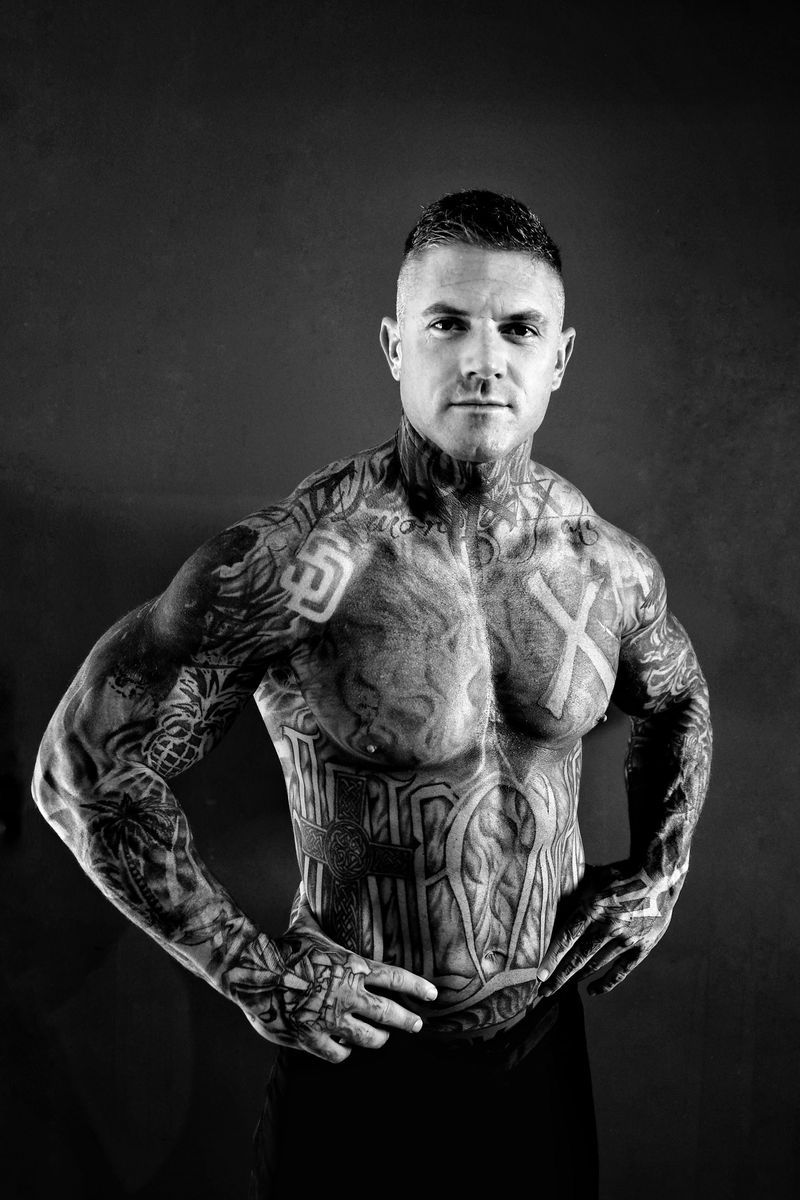
United States Navy SEAL/French Foreign Legionnaire
Taylor Cavanaugh is the only person on earth to have served as both a United States Navy SEAL and a French Foreign Legionnaire. After years of arrests, addiction, and planning to jump into a volcano, he rebuilt his life through discipline and deliberate living. He now runs TCAV Training, coaching people on body, mind, and life transformation.