

 YouTube
 Apple Podcasts
 Spotify
 iHeartRadio
 Pandora
 PocketCasts
 Life After Dying 4x, Getting Fired While on a Ventilator, & Still Being Suicidal at 18 Yrs Sober
Frank Parisi flatlined during heart surgery on May 8, 2023. He came back. Twenty-six days later he received the transplant that gave him a second chance — a heart from a nineteen-year-old donor.
He'd grown up in Little Italy, the son of a father tied to organized crime, and spent a decade hooked on opiates before getting sober in 2011. By 2023 he was thirteen years clean, in the gym every day, and doing national marketing for a treatment company.
Four doctors missed what was killing him before someone finally caught the rare pneumonia and sepsis that had moved into his chest. He kept working from the hospital — setting up West Coast Symposium meetings while intubated, dying and coming back four separate times before the new heart arrived.
Then, while he was still on the breathing machine, the company he'd given five years to let him go. The decade-long friends he'd brought into his life started showing up at parties thrown by the people who did it.
Jason Turner's wake-up call came differently. He got sober in 2003, worked at a private boarding school taking kids to Africa and Peru, then moved to Prescott, Arizona, and woke up one day asking where the industry he thought he'd entered had gone.
A three-hundred-pound powerlifter, he walked into a CrossFit gym thinking he'd dominate and got humbled — until an older stranger pulled up next to him mid-run and said, "I got you." He almost cried. Eighteen years into sobriety, he still came close to taking his own life. Abstinence wasn't wellness, and he knew it.
Both men talk with Matt about the conversation Frank had with God on the ventilator, what it means to come back from the dead with a teenager's heart beating in your chest, and why eighteen years of being sober wasn't enough to keep Jason from the edge.
FRANK PARISI is an international bestselling author, keynote speaker, and heart transplant survivor who lives in Austin with his wife Kat and their son Sonny. He published Embrace Abundance in August 2024 on the one-year anniversary of his transplant. He is a managing partner and brand ambassador at Emotion Wellness in San Antonio.
Follow Frank on Instagram @frankparisi2011
Order Embrace Abundance at frank-parisi.com
JASON TURNER is the founder and CEO of Emotion Wellness, an aftercare program in San Antonio built around the idea that the nervous system has to come first. He served ten years in the Air Force, where he trained bomb-sniffing dogs, and is a Pat Tillman Scholar. He has been sober since 2003.
Follow Jason on Instagram @e_motionguy
Learn more about Emotion Wellness at emotionwellness.com
Matt Handy is the founder of Harmony Grove Behavioral Health in Houston, Texas, where their mission is to provide compassionate, evidence-based care for anyone facing addiction, mental health challenges, and co-occurring disorders.
My Last Relapse explores what everyone is thinking but no one is saying about addiction and recovery through conversations with those whose lives have changed.
For anyone disillusioned with traditional recovery and feeling left out, misunderstood, or weighed down by unrealistic expectations, this podcast looks ahead—rejecting the lies and dogma that keep people from imagining life without using.
Got a question for us? Leave us a message or voicemail at mylastrelapse.com
Follow Matt on Instagram @matthew.handy.17
About Harmony Grove Behavioral Health
Harmony Grove delivers outpatient addiction and mental health treatment focused on wellness, creativity, and authentic human connection—providing a supportive space for healing that extends beyond traditional clinical care. Find out more at http://harmonygrovebh.com/
Harmony Grove's IOP in Houston, Texas, is more than a program; it's a lifeline for those ready to take the next step in their recovery. We are ready to meet you where you are and find your unique path to change.
If you're feeling overwhelmed or struggling, you don't have to face it alone. Reaching out for support is a sign of strength, and help is always available. If you or anyone you know needs help, give us a call 24 hours a day at 844-430-3060.
Host: Matthew Handy
Producer: Eva Sheie
Assistant Producers: Mary Ellen Clarkson
Engineering: Chris Mann
Theme music: Survive The Tide, Machina Aeon
Cover Art: DMARK
My Last Relapse is a production of Kind Creative: kindcreative.com
Frank (00:00:01):
I had a heart transplant in June 3rd of 2023. I went to four different doctors, was misdiagnosed. I died on the table on May 8th, came back. And when I met what I met, I said to my wife and through a mentor, he always said, "Whenever you go through the hardest of times, you ask yourself two questions, what's the gift of what you're going through and what are you going to become because of it?"

Matt (00:00:28):
I'm Matt Handy and you're listening to My Last Relapse. Well, thank you guys for coming. You got to drive through that.

Frank (00:00:34):
Thanks for having us.

Matt (00:00:35):
Yeah, man. I really appreciate it.

Frank (00:00:37):
Yeah, yeah.

Matt (00:00:39):
Okay, so introduce yourself.

Frank (00:00:41):
Frank Parisi, managing partner and brand ambassador for EMotion Wellness, heart transplant survivor and international bestselling author.

Jason (00:00:50):
That's right. Bro, why are you going to have-

Frank (00:00:53):
Oh my bad dog.

Jason (00:00:55):
But I wouldn't be here if it wasn't for you. And my name's Jason Turner, founder of Emotion Wellness in Person and Long-term Recovery.

Frank (00:01:04):
And CEO.

Matt (00:01:06):
Dope. Okay. Tell me about emotion.

Jason (00:01:11):
Emotion? Well. Well, Frank, you just told me that you do it better than me, so I want to hear you.

Frank (00:01:19):
Emotion wellness, what we are is an aftercare program down in San Antonio, Texas for teens and adolescents that are struggling with mental health and substance abuse. We're an in- network provider. My business partner, CEO and founder is a Pat Tillman Scholar Award winner. He served our country for 10 years with the Air Force and helped train bombsniffing dogs. Yeah.

Matt (00:01:45):
That's pretty crazy.

Frank (00:01:48):
He's pretty savage. And so our whole program is based around ... We're kind of where we like to say physiology meets psychology. And what we are is big around nervous system regulation. And so when you come into our facility, and you will eventually, and come on our pod, you'll see as soon as you walk in, the man in the arena quote.

Matt (00:02:13):
Yeah, for sure.

Frank (00:02:14):
The back end of-

Matt (00:02:15):
Roosevelt, Right?

Frank (00:02:16):
Yeah.

Matt (00:02:17):
Yeah.

Frank (00:02:17):
And that's what we are about. You come in, it's like step into the arena. Dear greatly. And a lot of times people, when they come into our facility, because when you step in the back, it's the arena. It's where we hold classes, but most people look at it as a CrossFit gym, but it's not. We just set things up there for them to step into that arena and have that experience. So there's a lot of play that goes involved with that, education, connection. And every single day, our clients get basically in the arena, a class where a lot of movement's going to take place. Dope. They're also, we put in a 25-person sauna with Himalayan salt. They're going to sauna. Depending on the level that they're at on the assessment, they might get a plunge. They might not. We may prescribe them, the therapist, some red light therapy.

(00:03:11):
They also get a 90 breathwork. We have the nine dimensions of sound. There's so many different techniques that they could do within that. And then we do all of our ... And I'm actually getting certified right now. He's certified. He's like a level three in Mark England's uplifted method where we do story work with all of our clients to help rewrite the story. So through this process, then their nervous system is regulated so that when we are sitting in with process group and the individual sessions, there's a form of trust, there's a calmness in the nervous system so that we're able to do that deep healing work with them. And he always says, What's the best therapy out there? It's the one they're going to do. So we set up the environment so lovely so that their attention is grabbed because we're in a society now where attention is everything, dude.

(00:04:10):
Everybody's scrolling on the phones and that's the main thing. And it's hard. You have people coming off of fentanyl and all this other new stuff that's out there. And we're learning about this kratom and all this other stuff in the gas stations. And it's like to just say, sit and listen, it's hard. So we set it up for them. So where the attention's there, the nervous system regulated, and then we have their attention to do the deeper work. For sure. The other thing that's amazing about our program is that when we're not operating as an aftercare program, we are a mental health gym. So we have classes 5:00 AM, 7:30 AM for the community. When they graduate our program, they're able to still step into that for the first several months. And then it's like a hundred dollar membership plunge on a come in, do the red light and do the group classes.

(00:05:07):
And we're very big with community. We do so much with the community. We're in that work with TRICARE, so we work a lot with the veteran population. You could pop in there on a Monday morning and the army's working out. It's pretty cool. We do a lot of events for the community, for veterans. So we're very community-based. The two greatest interventions is going to be community and environment, man. So we try to create the greatest community environment in San Antonio.

Matt (00:05:41):
Yeah. Yeah, man. I think-

Frank (00:05:44):
How'd I do, bro?

Jason (00:05:47):
B minus. We have adults. You said teens and adolescents. We serve adults.

Frank (00:05:53):
Teens and adults. Yes.

Jason (00:05:54):
And it's enlifted, not uplifted.

Frank (00:05:57):
Enlifted, yes.

Matt (00:05:59):
Well-

Frank (00:05:59):
As I'm in the class.

Matt (00:06:00):
Yeah.

Jason (00:06:02):
But yeah, very good.

Matt (00:06:03):
Okay. So give me your take on it.

Jason (00:06:05):
It's my answer to years and years of suffering in the industry. Sure. So I got sober back in 03 and worked for a private practice, private boarding school. Not the horror story type. It was a really ... I mean, I got to take kids to Africa and Peru and do some really cool stuff. And working with top five or 7% of the wealth in the nation, but getting to see how those type of services really helped those kids and creating opportunities to be of service and that type of stuff. And then like a lot of people who suffer from imposter syndrome, I was like, oh, I need to go burn this down and start over and see if I can do it again. So I took a job in a little town in Arizona called Prescott, Arizona. Are you familiar with it? Yeah. So got to see on a whole nother side of managed care. Yeah, it was wild.

(00:07:05):
And so I basically woke up one day and was like, where did I land? And I went to school for this and I had a really hard time, like a really hard time. And so my answer to it came out of an experience that I had, which was I walked into a CrossFit gym as a power lifter. I was about 300 pounds and got my ass handed to me and was the inner critic. And I had to call my sponsor at the time. But the guy that I had worked for said, "Dude, there's a community there. It's going to be awesome for you. " And so I went into this class and about halfway through the workout, a guy had finished ahead of me. He was probably twice my age and he lines up next to me on this run and he's like, "I got you. " And I could have started crying, dude.

(00:07:48):
I was just like, "Where did that ... " I never experienced the military, I had a little bit of that experience, but I hadn't had that in so long. I was so hungry for it. So I said, "Oh, this is what clients need." So then I started doing classes and thought I was just going to be the guy who helped addicts get moving. And then I stumbled across a couple of research articles. And then I met a guy from Harvard, a psychiatrist who wrote a book that aligned with what I was doing. And I went down a rabbit hole. So my take is, it's rooted in evolutionary science really of how we are as humans and what really works. I think language like regulation and capacity get thrown around a lot. And so nervous system-

Matt (00:08:34):
Almost to the point where it becomes meaningless.

Jason (00:08:36):
Yeah, absolutely. And I was like, I'm pretty keen to what's happening out in the world and the way things are being seen. But I said, we're going to stick with it. I'm not going to try to rewrite, change the words. We're just going to make sure we define them and we talk about them in a way that's appropriate. And so I believe that it's not really mental health, it's mental fitness. I believe treatment is really training. I have an athletic background, a lot of time in the gym. So reps and sets seem to make sense to me, but we always add the word intentional, so it needs to be intentional reps. And so I really wanted to provide clients an opportunity to have a completely different experience than the oppression and the being blamed for the program's lack of depth or breadth. Effective program. Yeah.

(00:09:29):
It's really easy to blame an addict. They're an easy target. For sure. I see why. And so I wanted that experience. And then I also wanted to basically tell everyone to fuck off in the sense of I'm going to force you to level up. I really want to make a difference. And I don't get in people's faces and say that. I just, we do our thing so well and on such a big scale now, other programs have to take notice. They've had to get bigger spaces and provide nicer stuff and figure out the lighting. And some programs have been like, "Well, we'll just do cold project. Good luck." You know what I mean? This has been a long time in the making and there's a lot of things that go behind the scenes. So that's really what it was about for me. And we don't have it all figured out by any stretch, but we're making a solid effort to continuously grow and that kind of stuff as far as in our effectiveness.

(00:10:23):
But physiology first is my thing. The psychological interventions really can't take hold if the nervous system isn't functional.

Matt (00:10:35):
Sure.

Jason (00:10:36):
Feel like a lot of programs, they just don't have a way to deal with that. I've done a lot of groups in my 20-some years and you've probably seen this too. In your experience, it's like, how many times have you ever been around people and they're like, "I know exactly the issue. I know exactly what I got to do. I just can't seem to do it. " And to me, that's nervous system.That's a capacity issue, right?

Matt (00:10:59):
Yeah, dude. The other side of ... I didn't expect the conversation to go this way where the ... Have you seen what's going on with RFK right now?

Jason (00:11:10):
Yep. I

Matt (00:11:10):
Mean,

Jason (00:11:10):
I've seen him at a couple of programs and ...

Matt (00:11:13):
Yeah. But after he went to Camelback in Arizona, he went back to Congress and he straight up said, "The behavioral health space and the treatment industry is reverse incentivized to keep people addicted." He said this. I've been clipping it and sending it everywhere. And I'm in recovery. I was living under a bridge five years ago, robbed a bank and I was like, okay, probably when I was facing 33 and that was the deal, max exposure was 85 to life, I was like, "Okay, things need to change." And I ended up in treatment for three years straight. That's how I got out of it. And then before that though, Salvation Army for seven months, another program for three months, another program for two months, and then high-end 28-day model treatment, high-end 28-day model treatment. And I tell people all the time, the most effective treatment episode that I ever participated in was at the Salvation Army. And this isn't because I'm a Christian, this isn't because whatever, it's because it was seven months. Not only was it seven months, we worked and then we had the freedom to go to meetings, have a sponsor, do all this stuff.

(00:12:28):
But foundationally it was enough time. And I always ask people, and RFK said it kind of, where I was like, if ... You guys know what value-based healthcare is? I was like, if value-based healthcare was implemented in the behavioral health space, how many times do you think people would go to treatment if we had to pay for the second one? They would go once. But if we recognize that that's a possibility, why aren't we doing it? And the reality is this, it's because there's clinical criteria for reimbursement. And part of the treatment industry, we've been kind of K-hold into just checking off boxes. None of that has to do with physicality. Almost none of it has to do with neurology, and definitely none of it has to do with community. And so do you guys know who William White is. So William White said in Slain the Dragon, which is an amazing book.

Jason (00:13:24):
Yeah, I have it in my office.

Matt (00:13:25):
Dude, amazing book. He said, treatment happens in facilities and recovery happens in community. So then why are we starting the counter the day they go to treatment when the recovery really starts the day they leave? And so we're sending all these signals and then you leave treatment. How many times have you been in treatment?

Jason (00:13:45):
I never went.

Matt (00:13:46):
Okay. How many times have you been in treatment?

Jason (00:13:47):
Six.

Matt (00:13:48):
Okay. Six is, you beat the average, right? What it averages out to is 98.5% of people will go to residential treatment and average is seven times before they get their first year sober, not for the rest of their life for the first year sober. And it kind of breaks down what it comes down to is 0.0175% of people. So astronomically small amount of people will go to treatment one time. And part of the reason why is signaling. You leave treatment, you say bye to the mail you, all the buddies that you made, and then you're seeing your counselor and you're seeing the administrators. And this is the checklist on the way out and every single person that works there is going to tell you, "Hey, if anything happens, come back." And then my question is, are we setting people up for failure with the hope that they make it back? I think so. As a client of the industry, I don't have any professional acclaim to the industry, no professional training, no background in treatment, being a professional. I just kind of jumped into this as a client of the industry. And so the honest truth to that question, most of the time, if people are honest is, yeah, we're setting people up for failure. This goes to effective programming and stuff like that.

(00:15:11):
What does that actually mean? But if we are doing that, then we are working with the assumption that people will die, that there's going to be a certain amount of people that go out there and don't make it back. And then I look at it and go, well, who are those people and what is the threshold breaker? What are we okay with? How many people are we okay with sacrificing? Because what it comes down to is we say we're in the business saving lives, we're really in the business saving lives that can afford it. And that's a problem because my type of addict, I was living under a bridge. I couldn't afford quality treatment. I couldn't afford quality services. And so the people that were willing to sacrifice are the people like me. And so my whole philosophy of care is we widen the door and we lower the barriers.

(00:15:57):
And then on top of that, it's like my recovery never took off until I started working out. Dude, going into meetings miserable, coming out even more miserable, sponsoring people. I worked with Bubba. He was my sponsor. And I didn't know what was going on. I didn't know how to fix the problem because I'd gotten rid of the problem. I wasn't getting high. I was doing all the things. I'd worked the steps. I'd done all this stuff and I was miserable.

(00:16:23):
And then I reached out to my mentor and basically gave him the breakdown. And I'm like, dude, I don't know what to do. He goes, look, this is like 10 o'clock at night here. He was like, "Go to sleep, wake up as early as you can, do some pushups, go to the gym and then call me. " And I just never stopped doing that. And that's where everything really snapped into place. This whole thing wouldn't have happened unless I started working out. And then I do a lot of recovery coaching and I tell all the people that I work with, my goal for you, if this is an escalating thing to get you into recovery, I'm just trying to get you to go from a piece you should degenerate person to a productive member of society. And the first thing that you have to do though is start working out.

(00:17:09):
You have to. It's a non-negotiable for an effective recovery. So yeah, dude, I fully believe in what you guys got going on for sure. I don't think that it's ... First of all, it's not incentivized for treatment centers to do that. No,

Jason (00:17:24):
It's not. It's not. I was driven by ... So the thing is, I mean, when I say I'm not driven by the money, clearly.

Matt (00:17:30):
For sure. That's on you. That's on you and I.

Jason (00:17:32):
I spent way more money to get this thing started than the average. You could start an IOP for basically 40K, you know what I mean? The number's low like that in the sense of getting your license and doing all this stuff. I knew it had to be for other reasons. And people who don't understand it, they see it from a distance. People like you get it. You're like, "Oh shit, those dudes know, okay, they're onto something." But people who don't know that think it's about a marketing gimmick or it's this or it's that. And it's so much more. People will talk about the cold plunges or the sauna. We do have a beautiful sauna in a facility, but that's not what we are. Community is a biological intervention. I mean, it's tied to our roots. There's so many things about the human experience that you and I 50,000 years ago would be this, we're the same unit. We could go back in time and pull somebody from that error and bring them here.

Matt (00:18:28):
Same animal.

Jason (00:18:29):
It's the same. The system is the exact same. And yet we have comforted ourselves and technologically advanced ourselves into a crisis that people don't want to talk about because it doesn't fit the standard medical industrial complex, which is this idea of not being preventative, being very reactive. There's no money in it. You know what I mean? You can't keep somebody on a script for ... I just got done last year, I woke up and couldn't walk. We didn't know what happened. We don't know what my body did. And I went to a very well-known doctor in San Antonio. About four months it took to get an appointment. I have a concierge doc. We do stuff together and the doc literally said, "We don't know what's wrong with you, but here's a script for methotrexate." And I was like, "Yeah, no, and that's not going to happen." So I called my friend who's a partner and basically my doc and said, "I got to do it my way." So I researched peptides, put a protocol together.

(00:19:28):
He helped me with the dosing. It was a combination of natural herbs, these peptides. And I went in five weeks. I went from not being able to walk or get to the floor to snowboarding in January one this year. And I'm still on the men, but that's not the model that we live in. I'm fortunate in that I have the information. You know what I mean? I have access, but not everybody has it. You're talking about the guy under the bridge doesn't have a concierge doc that he can problem solve with. I wanted to enter this space and not play the game. And I haven't. I literally have ... We do not. I don't go to the things. I don't sponsor. I very seldom ... I did a thing for Pay It Forward because I love Hamilton and San Antonio and what he's about, but I just don't play the game.

(00:20:14):
And so I'll go every now and then to ... Generally, I'm going to start shit is what I'm doing, which isn't the best reason to go. But I'll be the guy in the room who's like, listen, I get it. I just want to help you guys out. You guys are sitting here playing with each other and brushing each other's hair and talking about how we're out here saving the world. And so we're really not. And I'm like, if you really think that the person next to you or the guy that you're running to do hospital runs with is your buddy, as far as business goes, they're not.

(00:20:44):
We are equal part competition and allies, and it's a really fine line. How do I treat you like an ally in this thing that is affecting so many people and also run a business? It's impossible to enter that space and do it the way that we think we're doing it or we're telling ourselves. So let's just be honest about the fact that we're not. We're not. You're going to send me a guy because he's been to your program four times or the deductible's too high or people are looking for a scholarship or whatever. And I get that, but let's not sit in a room and talk about how we're-

Matt (00:21:19):
Saving lives.

Jason (00:21:19):
Yeah.

Matt (00:21:20):
Yeah.

Jason (00:21:21):
I got a hard time with that.

Matt (00:21:22):
I do too. And that's where I ultimately ... When I started this podcast, I started interviewing addiction professionals and then I would go down this line of questioning and I had people walk out because when I get to the, we're not in the business saving lives, we're in the business saving lives that can afford it, I never realized that I was attacking them. They took it as a personal attack because their identity is wrapped up in this and who they are and what they do. And I was like, I got to stop doing this. So I mean, yeah, the reality of the situation is that we ended up ... This is what happened, right? Pre-85, talk about it in Slaying the Dragon. Pre-85, do you know what the treatment industry was called? What? The field of recovery. So look at the language, how that changed. You industrialized this thing that used to be really a different thing. And it's like, so you industrialize it and the mission changes. And now we're tied to insurance companies. They have a fiduciary obligation to maximize profits. UnitedHealthcare, this whole thing that happened with Luigi Mangione and stuff. A bunch of us were like, "Hey, we might actually get to see internal policy around not approving." And because United, there's this rumor, I don't know if you guys have heard this, but there's a rumor that they will do fiscal assessments at the beginning of the year and try to predict if they will save money approving claims or denying claims and just taking the fines. And so-

Jason (00:22:54):
No, I didn't hear that, but there isn't anything. And I think United's at the top of the list.

Matt (00:22:59):
Sure. Yeah. Yeah. I mean, dude, they're notorious for denying claims. And it's like the other part is they're looking at treatment episodes in the fiscal year because the deductibles and out- of-pockets reset at the beginning of the year. So you can go in January and you're kind of fucked for the rest of the year, but if you go again to go in January, they're going to approve it because now part of this is on you. And this is why I always ask, if value-based healthcare was implemented, what do you think would happen? Do you think we just go the way the dinosaur or do you think we'd implement effective programming? Everybody, "Oh yeah, we're effective programming." It's like, why aren't we doing that? If you know that that's a possibility, why aren't we doing it?

Jason (00:23:47):
And I was somebody who, I've toned it down quite a bit. I mean, to even have a conversation about this without my nervous ... I've done a lot of work around it because it used to be a thing, a real serious thing for me. It's still very serious. It just doesn't have the impact that it did on my nervous system. I used to judge-

Matt (00:24:05):
Yeah, I blame you. I don't blame you.

Jason (00:24:06):
I used to judge people super harshly in the field and what I've recognized is, yes, there's plenty of fucking scumbags that are running around and now they're on social trying to be businessmen and talk all this bullshit. It's like, listen, motherfucker, you was sound pissed at $3,000.

Matt (00:24:22):
For sure. Seven times a week. You're the same client.

Jason (00:24:26):
You're not an innovator. You're a criminal, right? So I get it. But there are a lot of people who, it's like the allegory of the cave, man. If you don't know that there's this thing, people don't know. These business development people that I used to judge, there's a lot of- Exactly. Especially in Santoni, there's a lot of young ones that just don't know. They don't know what it's really like. And I'll be like, "Yeah, I remember getting a call from a girl who went to detox, was drugged, kidnapped, and then resent to a residential facility, honest to God, because of her policy." And when she woke up, she was on blackout. The parents had been convinced that if they talk to her, she's going to die. Sure. Right? Dude, this is the type of shit that was going down. And I'll say that, and I sound like the crazy one in the room. And I'm like, "Listen, there is nothing Hollywood could do with what's that movie that they ." I haven't seen it, but there's nothing that they could put out that would come close to the truth.

Matt (00:25:22):
Sure. Yeah.

Jason (00:25:23):
That's fucking terrifying.

Matt (00:25:24):
I mean, dude, I say this all the time as a preface for when I go into this is that I'll never try to take away from the average addiction professional from what they do. Most of them are in recovery. Most of them really believe what they're saying. We're in the business saving lives and we're helping so many people. They believe that. There's three groups of people that need to be held accountable for this investors, owners and payers. They're the only ones that can really set the pace for the product that's delivered to the client.

Jason (00:25:55):
You speaking my language, that's what I did. I said, "I'm going to lead the charge. I'm going to spend a ton of money and I'm going to show..." To me, what I feel like it's similar to the four minute mile. Are you familiar with that phenomena? So it just

Matt (00:26:09):
Keeps getting tighter and tighter?

Jason (00:26:10):
Well, the four minute mile used to be impossible before Prefontaine did it, or I think he was the one that did it, but before it happened, and then right after it happened, like 26 of them. So my thought process was, and I remember I didn't have any money when I started. I got three people who, two of them would say I saved their life, which I don't agree with, but they believe that. And another friend of mine who was like, "I want to help you get started." And they would ask questions. They're not investors in the sense of like, "What's the bottom line? What's the bottom line?"

(00:26:37):
They want to help people, but they're also business people. And they would say, "What happens when people start copying us or leveling up?" And do you remember what my answer is? We want. We won. Sure. I fucking won, dude. Fuck you. I'm in it for that reason. Now granted, I want to make a living and I need to do my stuff and I feel like I've studied enough. And when I write the checks for the saunas and the plunges, yeah, I need to get paid. There's a thing happening here that isn't available across the board. But at the end of the day, I want to level up the entire industry. And people say, set big hairy goals. Okay, that's a big hairy one because how do you change as much as ... But once people realize it can be done, and you don't have to do it the way that I chose to do it, but you can invest more into your program. You can look at ways to grab people's attention. You can provide an incredible story and be successful.

Matt (00:27:28):
Sure.

Jason (00:27:29):
And when you have the pieces, and I'm not a person who ... I'm not trying to hide anything. We talk about ... If you wanted to bring your team up, we do an immersion event, we show people, we talk about ... There's no secrets. We haven't figured this thing out yet. We're getting incredible results, but I don't think it's the end all be all. It's a very different way to do something that it seemed like a lot of people didn't really want to fuck with, which was like, how do we improve treatment and the outcomes for ...

Matt (00:27:56):
Yeah. How do we improve treatment? It takes money and then money that you won't get back because you're not getting reimbursed for cold plunges. Nope.That's not approved as a therapy modality. And then ultimately, as a treatment owner, this doesn't help me and it's probably not going to help you, but I tell people all the time, treatment is a fucking scam. It doesn't work. If you're going to send somebody to treatment, they should fit a specific criteria. And do you guys know who Dr. Shah is? Dr. Shaw? No. So Dr. Shaw is the only board certified neurologist in the country who after he got board certified, he was forced into recovery by the medical board, and then he became an addiction medicine specialist. And so the whole framework, the whole lens that he looks at addiction through is through neurology. And so we've created a model.

(00:28:48):
We have a bunch of white papers being written currently by some PhDs, and we're going to implement this in Harmony Grove and do a study. And ultimately he says this, he says, treatment doesn't have a programming issue. There's an education and awareness issue. But then there's also the philosophy of care issue too, where it's like people create the full continuum so that they can keep track of people until they relapse to send them back into the moneymaker.

Jason (00:29:15):
And lower their cost per acquisition.

Matt (00:29:17):
Sure. Oh, dude, for sure, for sure. Because it's like if we've got them in the continuum and they relapse, that was a free client. And how many treatment centers do you know are paying their bills, just their overhead nut monthly with their return customers?

Jason (00:29:33):
About 40%.

Matt (00:29:35):
Probably 40%. Most of them that are doing this would never admit to that. I know a treatment center that just sold, they were open for 10 years, not treatment episodes, but guess how many clients they serve total?

Jason (00:29:51):
Oh, super low.

Matt (00:29:52):
Yeah. Dude, it blew my mind when I found this out. 10 years of operations, 430 clients.

Frank (00:29:58):
Wow.

Matt (00:29:59):
430. So 43 every year. But one person, I know somebody that went there 13 times.

Frank (00:30:07):
Wow. Wow.

Matt (00:30:10):
Yeah, this is the kind of thing. And so ultimately I was like, how can that be possible for a treatment center who is highly profitable to only serve 43 individual clients a year? So I started doing research and the government just came out these statistics. They said that 46 million people this year will report, self-report using addictively or problematically. 17% of them will seek services. Of that 17%, only 600,000 will go to residential. So of that, we're talking about a very small percentage of the people that need help. And of that, all the BD reps, all these companies, they're all fighting over that fraction of the people that need services. Well, what is the barrier to entry? Why are they not receiving services? It's money. And these are huge problems, especially because we see the overdose rates spiking. You got stuff like Xylazine hitting the scene, all these other whatever else they're making that are killing people's arms falling off and shit.

Jason (00:31:09):
Well, let's not ... And don't forget about the precursor to all of that, which is this hyperdermain needle right here. Dude. So you're prepping kids and people for a lifetime of that. And once the other chemicals hit, I mean, they're screwed.

Matt (00:31:23):
Dude. So how old are you?

Jason (00:31:25):
46.

Matt (00:31:26):
46.

Frank (00:31:26):
50.

Matt (00:31:27):
Okay. So I'm 37 yesterday.

Jason (00:31:30):
Happy birthday. I just had a birthday end of March. Dude,

Matt (00:31:32):
Happy birthday. You're an Aries.

Jason (00:31:34):
Yeah.

Matt (00:31:34):
Yeah. So I'm part of the last, not just generation, but literally some of the last people that would have to call the house phone to get ahold of the girl and then just pray that dad wouldn't answer or mom wouldn't answer. Because then it's the gatekeepers. You got to answer the questions and you got to have the right answer and you got to do this and that. It's like there was actual socially built in to these interactions, social constructs for approval and socialization amongst children to adults and stuff like accountability. And because back in the day it was like, okay, you're going to take my daughter on this date. She better be home by 10 o'clock. Now it's like, "Oh, I'm going out. All right, see you later. See you later." And it's like they don't know who they're going with. They don't know who the guy is. They don't know if the guy opened the door for her.

Jason (00:32:26):
Chance isn't that he's not even driving because they don't want licenses. Dude. It's crazy.

Frank (00:32:29):
Crazy is that, right?

Matt (00:32:31):
Yeah. And it's like, so now they're meeting at the mall. And this is where I ran into problems because I still had all those social roadblocks in place. This was 20 years ago. I still had to get around the gatekeepers and make it over the hurdles and stuff. I was slamming heroin at 17. And so imagine today you could buy drugs online. Dude, there are people, their entire drug business is on Instagram. And it's like all these kids have access to this stuff, pornography, pornography for young men. We are seeing the downstream effects in the first generations of people that we weren't evolutionarily prepared for this.

Frank (00:33:11):
Nope.

Matt (00:33:12):
It's like this hit immediately and everybody just took off with it. We

Frank (00:33:15):
Talk about it all the time.

Matt (00:33:16):
Dude, it's insane. And so it's like, how do you nervous system regulation, but then also the architecture of the brain is being fucked with from the earliest of ages. This is more dopaminergic than heroin.

Jason (00:33:30):
Oh, absolutely. This is the most ... This thing is, it's an apex predator.

Matt (00:33:34):
Oh yeah.

Frank (00:33:35):
I just made a real about this yesterday. Yeah. Literally.

Matt (00:33:38):
Dude, it's-

Frank (00:33:38):
Leave your phone away for a week and think a day. And then I say a week and think about how much you think about it. Sure.

Jason (00:33:46):
Do an interesting thing. I don't know if you've done this in any of your programs, but take their phones, give them a Beck Depression Inventory before you take it.

Frank (00:33:57):
Okay.

Jason (00:33:57):
Take the phone, give them one after. Give them one, let them scroll for five minutes. Give them one. You will see some wild, wild results. Just

Matt (00:34:06):
The digs regulation. And dude, yeah, I bet. I bet.

Frank (00:34:11):
Mean, I'm a person in long-term recovery that's constantly in growth and I see the effects of ... I have to ... We talk about it. We limit ourself on it. We have to be intentional. Sure. And I'm like a social media. I have a following. And so I'm on there a lot. And it sucks, man, knowing that it's going to suck me in. How crazy. Now, what about the mind that has ... It's fragile.

Matt (00:34:37):
No awareness either.

Frank (00:34:38):
No awareness of self, dude. Just driven by the algorithm.

Matt (00:34:41):
Yeah. I mean, dude, they've done all those brain scans on alcoholics. The actual architecture of the prefrontal cortex is fundamentally different in an alcoholic than a regular person. And they're saying that it's because of the dopamine input. Well, what do you think this is doing to kids? Oh, dude.

Frank (00:35:00):
And on top of that, these phones have everything now. Gambling. Everything. I mean, Las Vegas is on your phone in every state. That's the next wave of we're going to see.

Matt (00:35:11):
Well, dude, think about educational apps. They have engaged casino app engineers to help them make education apps more addicting.

Jason (00:35:23):
Yeah.

Matt (00:35:23):
Right?

Jason (00:35:24):
Have you heard of a guy named Michael Easter?

Matt (00:35:26):
No.

Jason (00:35:27):
He wrote a book called Comfort Crisis.

Matt (00:35:28):
No. And

Jason (00:35:29):
You'd like this book because you're definitely hip to research that most people don't know about. A lot of people don't even know about Slaying the Dragon.

Matt (00:35:35):
Oh, dude. That blows my ... Dude, every addiction professional that I've ever asked, do you know who William White is? My next question, and when they always say no-

Jason (00:35:44):
I didn't say no.

Matt (00:35:46):
True, true. You're actually the first person. I

Jason (00:35:49):
Want that credit, dude. I want that.

Matt (00:35:50):
Dude. Dude, I give you the credit for that, dude. It's amazing how many people are not aware of the Recovery Research Institute, of William White just in general, but then Dr. Robbins and all them.

Jason (00:36:03):
Not amazing because why? If you went into a group of people that were meeting for a networking event, and we're talking about a lot of BD people are doing what on the phones.

Matt (00:36:13):
Work.

Jason (00:36:13):
Okay. They're putting people on treatment.

Matt (00:36:15):
Sure.

Jason (00:36:15):
And they're the first line of what? Whether they're a good fit or not. Ask a room full of those people the last time they read a research article. Ask them this. I start with that question and piss the people off because you and I have similar traits in that way, I think, about challenging. The next question is, when's the last time you fucking read? Anything that pertains to professional development that's not a business book. That has to do with psychology, that has to do ... And I always do this at our center. Are you real smart or are you real smart? So R-E-E-L, are you real smart? Or are you REAL smart? Because so many people get a clip of a 30 ... And that's what our attention's been trained on. And then they're like, "Oh, sweet. I know something now because Huberman said it and it's like not everything that comes out of Huberman's podcast pertains to our industry or is accurate. There's so much bullshit on it. " So anyway, that's probably a whole nother show.

Matt (00:37:12):
I mean, yeah, dude, but it blows my mind. They don't know who they are. And it's like, these are the pregenitors for ... William White wrote the book on ethics for addiction professionals. And I'm like, how do you not know any of this stuff? And it's like the first line of defense, the first person in line to make those clinical assessments, BD, they got a year in recovery on average. Which is fine. That's great. They need jobs. They want to be in this field. I'm not trying to take away from them. Like I said, it's the owners, investors, and the payers that really set the pace for the product that's delivered like what you did. It's like you created a product that's effective. It costs you money. The bottom line ultimately is what's going to ... But the reality is we're the average person that starts treatment. Do you guys know who the biggest private owners are of treatment in the US?

Jason (00:38:09):
People who are in recovery.

Matt (00:38:10):
Madison and BlackRock. Because the people in recovery, we are fiscally irresponsible. We have ego problems. Ultimately, what ends up happening is you go to TAP. Shit, I shouldn't have said TAP. No,

Jason (00:38:22):
I'm saying because I want to hear this.

Matt (00:38:24):
You go to TAP and you see people pulling up in the Ferraris and the McLarens and it's like, "Yeah, dude, you gave me a bunch of money, prestige, telling them that they're saving people's lives. They're not going to the treatment center and working with people. " And then you give them a bunch of money and you wonder why the company's being sold six years after they open after ... And in the treatment industry, the owner builds the reputation. So when people associate Harmony Grove, they're going to associate it with me. And that relationship and that reputation, it doesn't matter if the programming went to shit, they're still going to refer to that reputation. And so the reputation carries people. And then you hear it down the line where it's like, "Oh yeah, we used to love this program. We don't really know what happened, but we're still going to send people there." And it's like, why? Why? It's like, well, if they really are honest, it's like we have this relationship that's mutually beneficial. They're going to send me people, I'm going to send them people. And it's like, but would you send your family? Yeah. Yeah. No, we're sending them to wherever.

Jason (00:39:29):
Know what's interesting is that you bring that up and I was doing a talk not too long ago and that was one of the reasons I had to start my home. I either had to start my own program or get out.

Matt (00:39:38):
Sure.

Jason (00:39:38):
It was one of those. And it really was. And I worked for some decent ... Outside of the boarding school in that program, but it was young people, I have yet until now with my program, been at a place that I worked where I would send a family member. And that was really hard for me because I have this, I need to get paid and I got to make a living and this is what I know. And I feel like I am making a difference with the people that I interact with. But when I came face-to-face with that truth, it was a fucking hard build this wall. I've been working for these places and then I looked at what I was willing to give them, but really giving it to the people that I'm serving. I'm serving the addicts, but I'm giving these owners-

Matt (00:40:17):
In that, you're benefiting somebody that doesn't give a fuck.

Jason (00:40:21):
And it was like, man, I would not send ... If I got a call from anyone I really cared about, I would look somewhere else.

Matt (00:40:27):
Sure. It's crazy. It's really crazy. It's fucking wild. Yeah. So what do you think about all this?

Frank (00:40:33):
About what?

Matt (00:40:33):
Everything we're talking about.

Frank (00:40:36):
I relate to all of it.

Matt (00:40:37):
Yeah. Yeah. Dude, I mean- We used to work at the same place.

Frank (00:40:41):
We worked at the same place. Yeah. And the reason I even worked because I'm out in Austin and I did a lot of national marketing, right? And I thought he was an owner of the place. And so he called me in and me and him started working there. He created a program similar to what we have, not what we have, which drew me to it because I've never seen anything like that. But I mean, poetic justice, right? He was let go. And then after my heart transplant, that company let me go after five years and talking about giving your true ... Like brother, I literally was on my ventilator because I came through on the ventilator four times, literally putting people on the treatment, setting up meetings in California on West Coast Symposium with all of my people, all my contact, everything. So I'm in the same boat as him because then after my heart transplant, I was let go and I had just written this book and it wasn't even out yet.

(00:41:51):
And I'm like, what am I going to do? I don't even know if I could step back into this industry. Because then you start seeing also people that you invite into your life and have relationships with a decade and they're coming to visit you and then they're throwing parties with the company that did that to me. So you see everything, which is a gift and a curse in itself. But the only reason I stepped back in would've been either to do it myself and I didn't have the money to do it myself or him coming to me, bro.

Matt (00:42:30):
Yeah.

Frank (00:42:31):
It's the only reason. It was the only reason. And it's like a hard pillar to swallow, but it's so beautiful because we just got ranked the number one treatment in San Antonio, dude. And it's like, and we're not stopping, dude. And we have an amazing program, culture, environment. And sometimes you got to thank people for the cuts, dude. But there's a lot of that in our industry, bro. Oh, dude. There's a lot of that in our industry. And it's people making believe that they're friends with you. And the minute that anybody can just stick a knife in your back to take whatever they feel that they want of you, they're going to do it, dude. It's crazy. That's the reality. That's the reality, brother.

Matt (00:43:14):
It's a ladder, right? Because you can start off as a BHT and end up the CEO, and we've seen it. I

Jason (00:43:19):
Did, yeah.

Matt (00:43:20):
Yeah. And it's like, is one person that is in my way going to stop me from doing what I want to do? And this is, I mean, dude, we've seen it in the streets and now it's like people get sober and they think that they just become a better person. And it's like, no, you just stopped doing drugs. Dude. Becoming a better person entails a lot more than just taking away the drugs.

Frank (00:43:43):
So dude, and it goes back to this, and I say this and I'm blunt and I don't say words the right way and I spell things wrong. It's just who I am, dude. You know what I mean? My bad, Mark England. I meant to say that, but that's who I am, dude. But the reality is this, bro. Whenever somebody wants to leave, let them. Sure. Because what it does and through my experience is it makes room for the right person. For what's supposed to be, dude. And it's like, this was exactly God's plan for me. All of it, dude. I don't question it. Like me personally, we all have our experiences with emotion and in our journeys, but for me, it's exactly what was supposed to happen and I don't question it and I never question it. And I also, just because other people do, did you dirty doesn't mean you have to operate from that.

(00:44:42):
So even when everything was gone, brother, I still served. I'm here to serve. Yeah. I say that word, but that's the truth because I literally left here and I made a deal with God that let me come back. I don't care about nothing. Give me time with my son to be able to serve. And I've been doing that, brother. I do that all over the world.

Matt (00:44:59):
Dude, one of the core ... There's a mandate at step 12, right? Go do this with someone else. And so I tell people all the time, if you're going to get sober and then not help people, just stay using because we don't need you and you're in our way and you're not helping. And then on top of that, once you get sober, you have a debt. We already have a debt. I fucked a lot of people over in my life. I've done a lot of fucked up shit most of us have, whether it's on a huge scale or a small scale. We have a debt, but then you get into recovery, not just sobriety, right? You get into recovery and that debt, dude, exponentially grows daily. Because I wake up this morning, I'm like, dude, I can't believe ... Dude, I should be in prison. I should be dead, but I'm not, so I should be in prison and I'm not.

(00:45:49):
And so it's like there's a mathematical equation to recovery. It's like suffering plus help somebody else equals relief. Mathematically, this is universal. This is a universal truth that if you are suffering, whether it's mental anguish, emotional, whatever, if you help somebody else, it will immediately alleviate it. This is an eternal universal truth. And so then you went to recovery and a lot of people stop at, I did the 12 steps and I'm sponsoring. But Dr. Saw says it. He says, if you want better sponsors, sponsees, you got to be a better sponsor. We put the blame on the attic so many times, especially in treatment, because we can easily drop somebody on their head and be like, "It was your fault that you relapsed. It was your fault that the program didn't work."

(00:46:38):
And who's going to argue that? Because we have all the certificates on the wall and all the letters off. I don't, but the industry does. And it's like, so when you enter recovery and you've got this debt, what is going to balance that scale? It isn't making more money. It isn't how you look on your face. It isn't how many people can you say you've kept sober. It's how many people have you helped? What does that actually mean? What does help actually mean? And in that, there's a dichotomy. It's you're either helping or you're hurting and there is no in between. So if you're not helping, then you just by nature of this, you are hurting people.

Jason (00:47:16):
There's a guy, he's the CEO of our EMR and he's an ex ranger and his business-

Matt (00:47:24):
What EMR?

Jason (00:47:25):
Written.

Matt (00:47:26):
Oh, okay.

Jason (00:47:27):
Phenomenal. Couldn't say enough good stuff about them. But Noah is his name and he always says impact is the only metric.

Matt (00:47:35):
Yeah. Dude, that's heavy.

Jason (00:47:37):
Yeah.

Matt (00:47:37):
And

Frank (00:47:38):
It's being observed, brother. All of it.

Matt (00:47:41):
For sure. Observed by who?

Jason (00:47:43):
By source.

Matt (00:47:43):
Right. For sure.

Frank (00:47:45):
All of it.

Matt (00:47:46):
Yeah.

Frank (00:47:46):
It's a karmic realm we're in.

Matt (00:47:48):
Sure.

Frank (00:47:48):
Believe it.

Matt (00:47:49):
Dude, you guys speak my language. Yeah. It's interesting because it's like all of us are in recovery. The people, everybody that I talk to, if you're not in recovery, you're trying to get in recovery. That's who I talk to. And this is what I talk about. This is all I talk about. My wife's in recovery. We were homeless together, living under the bridge. And she's like, "Do you ever talk about anything else?" It's like, I don't know if there's anything else to talk about. For me, I mean, you look at my credentials, I shouldn't be doing any of this. I'm not actually qualified for much. And you look at my rap sheet, I look like I'm a 60-year-old convict. It's bad. So when I got into the situation, I was like, this is the only thing that makes sense to me is to get into treatment from the client's point of view.

Jason (00:48:37):
Well, I think actually I want to just challenge what you're saying because I have a degree. I went to school to become a therapist and a personal recovery. And I just talked about this on one of our shows. And it pisses some people off. I'm very, very geared at our center to make sure that the paraprofessionals, there's certain people whose personal recovery qualifies them for the job. It's like they are equally as important as anyone with a degree. At our center, I'm not the centerpiece. If the therapist does not do their job in session, the coach who's running the clients through the classes, they can't do their job and vice versa. And so it's all connected, but so many people have that like, well, if you look at my, but your experience is what gives you this authority in this space because you saw it from your own perspective. What better way to ...

(00:49:40):
Everything that's coming out of your mouth around the research and the people you follow and the things that you're trying to accomplish and the problems that you've identified, it comes from having been a client that got screwed. You were affected by the system and those tend to be the best people because we live in a day and age where you don't ... Who gives a shit about the degree? It's your time and your energy. What are you spending? I'm researching. I'm reading shit. I'm finding mentors. I'm doing ... Those are the people who bring truth to these conversations versus the ones who are the academic credentials on the wall and the conditioned responses or the experiences of like, "Oh, I went to school and I'm stuck in this." I think that's a dangerous place for not a lot of disruptors live in that space.

Matt (00:50:26):
Oh yeah, for sure. For sure. And

Jason (00:50:27):
This industry needs disruptors.

Matt (00:50:29):
Yeah, dude, I personally, what I envision happening, and you can see the beginnings of this is that peer support will revolutionize the way the treatment's done in the next five years probably. And the reason why I say that is because I'm from California and I come to Texas and I get involved with peer support in Colorado. And then I learn about peer support in Texas, the RSPS. And what I've noticed is that most people that get into RSPS are finding a way to monetize 12 steps. They're getting paid to do 12-step work, which if you look at what William White and all that original group of peer support like Progenitors said is that there is a fundamental disconnect between peer support and 12-step. You can't get paid to do the 12-step work. And then on top of that, CCAR said that you're in recovery when and if you say you are.

(00:51:25):
And it's like there's a metric within the 12-step framework of when you're in recovery. You've got to be abstinent first. That goes against the 12-step philosophy, I mean the peer support philosophy and the theory. It's like, no, we're supposed to be going out under the bridge and bringing people to recovery. Whereas most 12-step, part of the framework is you've got to come abstinent already, or just keep coming back until you are. But then how do you participate in the steps if you're not abstinent? You can't. And so it's like, but peer support will revolutionize the way that people are brought into recovery.

(00:52:02):
You can use that as the first lily pad to educate around language and educate around expectations and educate around what you're actually going to go do. So everybody that I work with from a recovery coach point of view is, I'm not telling you that you got to go become a member, telling you got to go do the work because William White said it. Never in the history of addiction treatment has anything ever been more effective and probably never will be than the 12-step work. And so I tell them, "Go do the work." And how many times you guys heard people say it like, "Oh, 12-step didn't work for me. " It's like, "Well, how many people did you sponsor?" "Well, I didn't even get asked. Step three. "

Jason (00:52:36):
I got to step four. Yeah,

Matt (00:52:37):
For sure. She

Jason (00:52:37):
Did a third of the program.

Matt (00:52:38):
Yeah. Well, and then on top of that, people kind of use ... I did the 12 steps as the metric. And it's like, no, you have to sponsor people to say that you participated in the program. How many people that are saying 12 step didn't work for me actually sponsored people. And it's like, so I'm telling these people, I'm not telling you to go be a member, I'm telling you go do the work and that means finishing with sponsorship and then you can make a choice. But the whole thing that I'm trying to do is get them into a community because recovery happens in community. Treatment happens in facilities. Most people associate recovery with treatment. And it's like, that's fucking backwards, dude. It's totally wrong. And then on top of that, we adopted the 12-step model in the treatment industry, fucked over the 12 steps because now we're attaching consequences to something that's supposed to be voluntary.

Jason (00:53:29):
So this is a whole nother show. Holy.

Matt (00:53:31):
Dude, for sure. Yeah.

Jason (00:53:33):
Your privilege is tied to how many steps you worked

Matt (00:53:35):
Dude, I just got an email- How wild was that? Well,

Jason (00:53:38):
You know what I'm saying? I want to hear your story, but I was also thinking real quick on the way over here. I don't know why I had the thought, but the idea of ... The thing that I used to put a really bad taste in my mouth is the programs that would take lines from the book and making the program title.

Matt (00:53:51):
Dude. Yeah. I'm not even going to say it. No,

Jason (00:53:57):
I know. They'll be out there. And there's people that I know and probably are friends with who are affiliated or own them, but that just always put a bad taste in my mouth when it came to the step work.

Matt (00:54:06):
Yeah, dude. I mean, so William White, funny enough, totally anti 12 step work in treatment. And it's like, there's a reason for that. It isn't just because he's a 12 step guy and it isn't because it doesn't work. It's because the way we're doing it doesn't work. And then if you make it mandated ... So this is the story. We just got a UR review back and they approved 12 more weeks, but they wanted to know are they going to meetings? Do they have a sponsor? And are they doing step work in order to get more treatment? And it's like that is fundamentally against what 12 step shit. Bill and Bob show up today. They go to any room or any treatment center. They're going to be like, "What the fuck happened?

(00:54:48):
What happened?" This is crazy. And it's like, we're coming up on a hundred years. And for something that used to be so effective, look at the first thousand, a ton of them got sober for life, not happening today. People are going in and out and in and out, in and out. And it's like, well, a hundred years, a hundred years of social acceptance, social advances, scientific advances, studies, billions of dollars dumped in this thing, and we've completely reversed it where maybe it was an 80% success rate back then. Now it's a 98% failure rate. It's like, how did that happen?

Frank (00:55:25):
The treatment ruined it.

Matt (00:55:26):
Dude, yes. And the culture. Dude, there was a whole process.

Frank (00:55:29):
The mills after that keep that whole and that becomes its own culture instead of what it started as.

Matt (00:55:37):
Dude, think about it.

Frank (00:55:37):
And it infiltrates the meetings in the cities.

Matt (00:55:40):
Yeah. Dude, the meetings are an interesting thing.

Jason (00:55:44):
Let me ask you a question. Have you ever judged somebody for not having tattoos?

Matt (00:55:51):
The world that I come from, yes.

Jason (00:55:53):
Because I mean, I'm covered. I'm covered and I've never looked at somebody and been like, "Oh, they don't have tattoos." But for a long time, people without tattoos- Judged us. ... judged us. I've never judged somebody for going to a 12-step meeting, but I've heard a lot of judgment from people who don't.

Matt (00:56:09):
Sure.

Jason (00:56:10):
If you're a 12-stepper and then you find somebody who's recovered and you don't. And that's an interesting-

Matt (00:56:15):
I have a theory.

Jason (00:56:16):
What's that?

Matt (00:56:17):
Have a theory on this, right? And it says principles before personalities. And this is what I think happened. Sponsorship became this thing that almost became the program. And then so Frank's going to sponsor me. I'm going to sponsor Frank. So now I'm sponsoring Frank and I'm told what worked for me. And now if you don't do what work for me, then you're doing it wrong and I'm just reinforcing my story to myself. So now I've just completely injected personality into the process. I think that's

Jason (00:56:50):
Yeah, I get that. Yeah. You are story for you that's not about ... Well, so we have struggled with, initially, we're not there now, but when I first started, and it still can happen. There's a lot of misconceptions about our position because we don't have steps on the wall. It's not part of our programming. We don't have any of it in our programming. Not at all. And people have been confused about that. And my simple answer is like, well, I'm tasked with a much big calling, which is to care for you and to provide you the best possible treatment for something that I'm being reimbursed for. It doesn't make any sense to give you something you can do for free down the street. So let me give you this quality treatment experience and then send you to go partake.

Matt (00:57:34):
Sure.

Jason (00:57:37):
And so we had a UR situation where the doctor was like, "Why is this person not on medication?" And they actually denied the days. And I said, "Well, they're not on meds." He basically was trying to tell us we weren't doing our job. And I said, "Well, this person is physically engaging in physical activity and hermetic stressors on a regular basis and it's being properly dosed, so they don't need the medication. What they need is more time in this process because the ... " And so he didn't understand it. I had to explain how exercise affects the brain to a doctor. So it took a lot and he ended up switching. I will give him credit. He ended up switching his position, but dude, it took me ... And I talked to my friend who I'm like, it's a doctor. And I'm like, "Bro, I had to explain." He said, "Oh, dude, we don't get any training on ... "

Matt (00:58:22):
Dude, six hours on average between every different discipline within ... So the medical infrastructure, medical academia is a religion and they come out priests of a religion. And we look at these priests, and it's the same thing in any religious structure. We go to these priests for the answers, and then we take what the priest says as gospel. And so my doctor, he always says, when we prescribe a medication, this isn't a gospel, this is a recommendation and a suggestion. So if it says dose X, Y, and Z, that's a suggestion for if you're symptomatic. And we're not talking about hardcore psych meds for ... Well, this is a whole nother issue, but I'll continue with this and then I'll ... But these are suggestions. It's like, why are you on an anti-anxiety medication if you're not anxious and you're taking it daily? And the problem is people come into treatment and we give them diagnosis immediately, especially at the residential level, because they got to fit a clinical criteria to be clinically appropriate for the services. And so what do we do? They got clinical anxiety, they got clinical depression, and then we put them on the appropriate medication for these diagnoses.

(00:59:36):
The problem is they've earned that depression, they've earned that anxiety, and you are going to again alleviate the symptoms. And it's like, why are we doing that when we fully understand and fully are aware that people who do not actually have these mental diagnoses, the medication will give it to them. If you don't have clinical depression and you get on a depression medication, it will give it to you. If you don't Don't have clinical anxiety and you get on anxiety medication, it will give it to you. So now three months down the road, yeah, you've got anxiety and depression. Of course you do. And it's like, again, you go to this, you participate in this religion, you're going to go to the priest, you're going to get your prescription just like a church, and then you take that prescription as gospel. So what we're doing is we're saying, look,

(01:00:22):
There's medical intervention, there's social intervention, and then there's medication intervention. People don't separate the medical intervention from the medication intervention. And so Dr. Shah, neurologist, addiction medicine specialist just celebrated 13 years. And what he's saying is the average person who has depression goes through a 14-year episode where they're trying to get their medication right on average, 14 years, 14 years. What he's saying is that most addicts are being misdiagnosed upfront. They don't actually have this stuff. They've got something else. And so part of the model is like, okay, we're just going to take them off. We're not going to do a medication intervention. We're going to do a medical intervention. We're going to raise awareness, we're going to raise education levels, and then we're going to feed them into a lower level of care. Because the magic happens and everybody can stay sober in a bubble. You can lock somebody in a room and they'll stay sober forever,

(01:01:17):
Guaranteed. But everybody can stay sober in this 28-day bubble. What are the relapse statistics? It's staggering, first of all, but they're relapsing in 90 days. Who's actually relapsing? It's the people that aren't engaging in their treatment episode. In Slain the Dragon, William White said that pre-85, pre-treatment industry, there was a normalized phrase that everybody said. It was length of exposure to treatment dictates outcomes. 28-day model gets implemented and they drop two words and it sounds very similar still, but now it's exposure to treatment dictates outcomes. Sounds very similar. Most people that don't actually look at what's being said, they'd say it's the same thing. But what he used to say was the longer you interact with your treatment episode, the greater the outcome is. Now, if you go to treatment, you'll get better.

Jason (01:02:09):
So for us, I totally agree with you and we've put it in action in that we've basically eliminated ... I'll never do residential and I will never do detox. And I'm saying that out loud. I'm going to be aftercare time today.

Matt (01:02:23):
I got a problem with you saying that though. You're aware of this. And so if you don't do it, who's going to?

Jason (01:02:30):
Well, that's cool. And I think shows like this, talking about it, I'm willing to share what I know with ... We partner with residential programs and I do my model in their program. Are you familiar with Stone River in San Antonio? So we just partnered with them. We were with Alamo previously where it was like they bring their clients to our center. We run them through our group process a couple times a week and then we'll go and introduce the concepts. And so I'm able to give them that. But from a neuroscience perspective, I want them after some settling and I want them where the real change can take place and I want to start to impact their plasticity and do all that with aftercare. So we've eliminated the transitions because that's a big step. Any sort of change is where a lot of relapse will happen where you're stepping down from residential to ... But even in aftercare, going from PHP to IOP and IOP out. So in traditional models, where do you get your treatment from? Is a mental health or substance use recovery center that's licensed. So when the treatment is over, meaning you're at the, let's just take IOP, minimum nine hours, but a lot of people are doing four day a week billing now. So let's say 12 hours a week, what are you doing with that time when it's over? And you're not going to the center because most programs aren't set up for that.

Matt (01:03:53):
Yeah. In the other 168 hours, what are you doing?

Jason (01:03:56):
For that too. But I'm just talking about you're in your life and you've spent three hours a day for the last 90 days, four times a week doing a process, and that goes away. Now I've got to fill that time. You can't do it at your center because they're doing group. So our clients will leave that therapy milieu and join the fitness classes in the morning. So they're in the same building, they see similar faces, they have access to the coaches. So it's basically like a community center where they're ... And they can be there indefinitely. You just have to obviously abide by certain rules and that kind of thing. But the other thing I wanted to ask you about, because I think you would know. So I can't remember, but in Slaying the Dragon, William White talks about, there was a period where we were really headed for a very solid trajectory. We were going to be under the medical model. We were moving in that direction, and then something took place historically and it put us in this stepchild thing over here. Do you know what I'm talking about?

Matt (01:04:54):
Yeah, 1985. Yeah. Yeah, 1985. And ultimately what it was was we started looking . I don't remember the language that he uses, but this is my interpretation of it. The medical industry and the pharmaceutical industry were like, there's a demographic of people who are accessing care through emergency rooms. How do we monetize that? And then they saw this thing, 76% success rate at the time, and they were on a steady rise. The field of recovery was on a steady rise for healthy people. And they were like, oh, let's do it there. And then do you know how the 28-day model came about? No. 28-day ... So the military and professionals used to be able to get two weeks of vacation time and then two weeks paid leave. And so they were filtering people in and they were like, oh, okay, so these are billable and it's paid for, so let's just do this with everybody. So then the 28-day model becomes a thing.

(01:05:53):
Yeah. Completely because remember, fiduciary obligations to maximize profits. And so they were like, we can cut cost and we can refilter people. And so they were like, okay, let's start this. So then the huge transition happens out of the field of recovery into the treatment industry, and then Obamacare happens, parity happens, all this stuff. We married ourself to the 28-day model, the 12-step model, the insurance companies. And I mean, there's a graph. You can see it. 85, it's like pre-85, pre-85, pre-85, 85, 85, post-85, post-80 today, and it's just plummeting like a rock. And it's like, how did we end up here? Is that a bunch of smart people got together and they realized that a huge demographic, a huge population of the country are costing them money and they wanted to monetize it. That's what I ultimately got from all that information.

Jason (01:06:54):
Wow. Yeah. He talks too about calling it graduation.

Matt (01:06:59):
Oh yeah, completion or graduation. Yeah, yeah, yeah.

Jason (01:07:01):
Yeah. Do you ever read that book? It's in my office. I'll have to let you borrow it. Yeah, it's due.

Matt (01:07:05):
Dude, it's a volume too. It's a nice size book, but dude, I read it the first time. I do this thing. I'll read a book the first time, no marks, and then I'll go through it a second time and market. And the first time reading through it, I was like, "What the fuck?" Sitting at my desk, I can't believe that this isn't a book and nobody's talking about this. And ultimately, when I started the podcast, that was the information I was trying to get. That's why I was asking them the questions. And then I would get to these hard questions and they'd be like, "I got to go. I got to lunch." And it's like, dude, you said we were here for three hours. What happened? It's 45 minutes. But the reality is the information's out there. The problem is you got to then look at yourself. You have to actually examine ... I think who was it? Socrates or one of the early philosophers said, an unexamined life is not a life worth living, right? Somebody said it, right? And it's like I think people in recovery have a leg up on their introspection. We have to examine ourself on a level that ... And this is what I say, the world, the majority of the world stays in the solution at all costs and they avoid the problem. We are coming from the problem towards the solution.

(01:08:25):
And so the lens that we have is just fundamentally different. We are problem solvers, we're overachievers. The average alcoholic, you read the stories in the back and it's like they get in recovery and they take over businesses. And it's like, okay, well, if you've been on that trajectory and now you hit this roadblock that says, well, you have to reexamine yourself, it's like, oh shit, my whole identity in recovery is built around this thing and now it's being questioned. I'm out of here. And it's like, yeah, but what you are claiming, this is the disconnect that I talk about in the recovery or the treatment industry is the product that we're delivering isn't matching what we're saying on our face. And it's like, you're promising this, you're saying this, if you send little Jimmy to us, we'll get him better. And it's like, no, we'll only get him better until you stop paying and then we're going to drop him on his head and we're going to blame him.

(01:09:17):
And so it's like, I don't know, my whole ... I got to see under the hood of the treatment industry as an owner and it blew my mind because all the things that I had witnessed and participated in from the client side, I realized that there's SOP around this. This is actually their intention and I was like, oh my gosh. And then I started asking these questions because I was like, I got to do something different. I can't do this. Because ultimately, at the end of the day, when I'm looking at myself in the mirror, brushing my teeth and shaving, I have to look at myself and be able to answer this one question. Am I fulfilling my obligations to my clients Because they're paying for my lifestyle. There's the cars, the house, my kids going to private school. Am I fulfilling that obligation? How many treatment owners are asking that? Right?

Jason (01:10:09):
There's two right here.

Matt (01:10:10):
Okay.

Jason (01:10:11):
What's the metric? So I could talk to you for hours, dude, about- I'm sure we're good. So we talked earlier about outcomes and stuff, right?

Matt (01:10:19):
Okay.

Jason (01:10:20):
I actually had to ... I was so frustrated with what is the definition of success? What's wellness? I had to create one.

Matt (01:10:31):
Yeah.

Jason (01:10:32):
We literally invented our ...

Matt (01:10:34):
I want to see that. I'll

Jason (01:10:35):
Give it to you for sure. You want me to read it?

Matt (01:10:37):
Sure. Yeah.

Jason (01:10:39):
Wellness ... And dude, I'm pretty in the ... I'm researching and doing a lot of stuff on a regular ... This took me over a year to figure out. I played around with so many different definitions. So wellness is a dynamic, trainable state of physiological regulation that enables mental clarity, emotional stability, social connection, and purposeful action.

Matt (01:11:00):
That's amazing.

Jason (01:11:01):
And I have to read it because it's new to us, so I'm still digesting it. So yeah, I had to come up. I was like, if I'm going to measure something, I got to be able to define it first. So I was never okay with ... And the reason is because at 18 years sober, I almost took my own life. So I got 18 years of abstinence and I'm not fucking well. You know what I mean? I'm in a really bad spot. So it's like, what are we really measuring? And I said, "Well, if I'm going to measure it, I have to be able to define it. "

Matt (01:11:28):
For sure. Have you seen the peer support, the actual peer support metrics for success? There's 12 domains and my favorites, it's improving provider interactions, lowering interactions with law enforcement. There's 12 of these, right? And so I've adopted that, but check this out. This is SAMHSA's working definition of recovery. Recovery is a process of change in which individuals work to improve their physical and mental health, manage or overcome symptoms of mental health or substance abuse disorders and make informed healthy choices that support overall wellbeing. Recovery is not a single event or an endpoint, but sustained individual process that emphasizes hope, self-determination, and personal empowerment. Yeah, dig that. Dude, so this is the government agency that oversees regulation, and it's like you go into any treatment center and it's like, have you ever even seen this? Yeah. It's like one of the things that I kind of point out, I want to say this, I'm not anti-12-step.

(01:12:33):
I push people in as much as I can. It's a huge part of my story. And ultimately, a lot of people think that what I'm saying is anti-12 step, but it's not. They're just reading between the lines, kind of extrapolating their own.

Jason (01:12:52):
I've had that experience myself.

Matt (01:12:53):
Yeah, dude. And I don't blame them, whatever. It's again, reinforcing their identity when they say, "Oh, he's anti-12 step." The reality of this situation is multiple pathways is a real thing. And I don't have the 12 and 12 hung up around here because I have the same philosophy. Treatment happens in facilities. You've got to go build a community. And it's like, Dr. Shah told me something. It blew my mind. Do you know-

Jason (01:13:24):
Is he your medical director?

Matt (01:13:25):
Yes.

Jason (01:13:25):
Okay.

Matt (01:13:26):
Do you know how to build a neurological pathway? What is the actual thing that builds a new neurological pathway? It's a new thought. Yeah, I

Jason (01:13:35):
Was going to say novelty. It's anything new, the brain loves it.

Matt (01:13:39):
Yeah.

Jason (01:13:39):
Yep.

Matt (01:13:40):
And so now the new thought's been had, the reinforcement needs to happen in order to make that a preferred pathway. Because right now, what's the preferred pathway in early recovery? Using, drinking.

Jason (01:13:50):
Repetition, strength is and confirms.

Matt (01:13:52):
Sure. Yeah. Dude, think about building a muscle. It's literally the same thing. Do

Jason (01:13:58):
We talk about this? Oh, this is every day in group. Dude. This is our group. I got to get out there and- Take a piece of paper and fold it. It's a brain exercise and there is white matter in the brain. People don't know that, but it's not rectangular, but if you fold it, those pathways and reinforce, it's like a frequency quantity duration. So if you do it often, you do it a lot and you've done it for a long time, those pathways are going to be ... So you can fold it and keep the line really crisp, and that's what you're coming in with. And then you get a new thought, you fold it at an angle, and it's a really light line. And if you hold it up to a group, people will see and it just clicks for them. They're like, dude. I'm like, this is what you're coming in with. This is your addictive pathway. Dopamine is the biggest digger of pathways. If you're going to hire a worker in your brain, nothing does it more than dopamine. And if you've been doing opiates or drugs for a long time, guess how deep those pathways are?

Matt (01:14:50):
Dude, yeah. You know what I tell people? Give them a visual. You remember those old Looney Tunes commercials where somebody would pace back and forth and then it would fast forward and they're up to their neck? I'm like, "That's how bad we've reinforced these pathways." And then Dr. Shah says it's like diverging a river. It will diverge, but it will switch back if you let it.

Jason (01:15:08):
Yeah. Electrical impulses because it's like chemistry and electricity and they'll hop over and anything that's ... That's why dishonesty is so dangerous because a lot of times the dishonesty's connected to the shame, shame's connected to use. And so you start people who relapse, right? It's like everyone says resentment's the number one offender. I'm like, no, no, dishonesty is the number one thing. People lie to themselves, they start lying to other people, and then that pathway's familiar.That's something that's been deeply ingrained. How many times did you have to lie to get away with getting high? It's totally connected. So you start doing that before you know it, you're picking up.

Matt (01:15:42):
It's such a dangerous thing. Other people, we can lie to other people, but when you start lying to yourself ... Oh, dude. Talk about a recipe for disaster because then we're delusional too. We'll believe our lies. I believe my lies. Dude, I thought it was the gospel truth. I'm built for this life and this and that. And it's like, dude, I got out into recovery. And I was like, "Dude, I'm not built for that. I am not that person." It's like, fuck. Looking back, it's like, I believed. And you could have hooked me up to a lie detector test and I would've told you this is who I am and this is why. And it's like, fuck, it's crazy. Well,

Jason (01:16:19):
That's like that. We say belief is stronger than fact all the time. Oh yeah. And a lot of people in active addiction have a belief about themselves that's not true.

Matt (01:16:28):
Dude, that's another thing, right? The self-image issue. The story that we've built around who we are and why we are that way is so strong. And the reality is in that state, we're just that little kid trying to protect ourselves.

Jason (01:16:41):
Absolutely. Well, and we don't have trust. That's the thing that we work on is if you're going to reclaim yourself, because I don't teach people that they're trying to become someone new. It's a different version of themselves. But if you're going to reclaim yourself, it has to start with building trust with you. And so many people with addiction issues have self-concept has been externally validated for so long. They don't even know how to begin the process of saying ... So that's why he's currently in the class, but I will tell you to check out Mark England's Enlifted program. I've done this thing a long time and I watched him do a workshop and I was like, it's one of those things where you go, holy shit. I don't think this dude knows what he has because I know where it can really affect people. And it has to do with reframing, but meaning. It literally changes belief.

Matt (01:17:31):
Sure. Well, that's a big problem too, is purpose. You get in recovery. How many people just enter recovery with a purpose? And how do you give them a purpose? Dude, it's so crazy. Have you guys read, it's a book called Addiction As An Attachment Disorder. It's attachment theory. No. Dude, dude. The most amazing outcome thing that I got out of it was I was substituting healthy attachment for effective attachment in the drugs because it did the exact same thing every time. It's not going to give me negative feedback. It's not going to tell me how shitty of a person I am. And it's consistent. Drugs and alcohol are more consistent than people. And most of us are just looking for that consistency.

Jason (01:18:13):
Absolutely. Safety. Feel safe.

Matt (01:18:15):
Safety.

Jason (01:18:16):
There's another great book. I'll have to send you the title, but some people have a hard time because you can't accept ... Certain dogmatic practices, you can't accept any other sort of- Not at all. And I don't do this with clients because it can throw them off, but I do present it to people. The idea that addiction is a learning disorder.

Matt (01:18:30):
Dude,

Jason (01:18:31):
It's a phenomenal theory.

Matt (01:18:32):
You got to send me the book. Yeah, it's bad. You got to send me badass.

Jason (01:18:35):
Yeah. Because it's tied to motivational learning.

Matt (01:18:37):
Yeah.

Jason (01:18:38):
And when I really break down how the brain works.

Matt (01:18:41):
Motivation.

Jason (01:18:42):
Yeah.

Matt (01:18:43):
Fucking wild. I tell people all the time, trying to build a life off motivation is so fucked up. How are you going to do that? Because your motivation is kind of dictated by how you feel. So I could be motivated all day to do whatever. And then I go to sleep and I'm having a shitty day and I'm not motivated to do anything. And so it's like, I tell people all the time, it's discipline and dedication. Discipline. You can be disciplined until you're dedicated or dedicated until you're disciplined. But if you've got one of those in place with your early recovery, you got a pretty good shot. You got a pretty good shot. Oh, for sure. Yeah.

Jason (01:19:16):
I agree with that.

Frank (01:19:16):
Discipline's everything.

Matt (01:19:17):
Discipline. Dude. Everything. Taylor just came on the show and he was like, if you've got a relational problem, it's an emotional discipline issue. If you are fat and you can't get off the couch, discipline issue. If you've got business issues, discipline. Dude. He was like, six months. That's all it takes. You take six months and focus and be intentional about discipline, your life will change.

Jason (01:19:38):
Absolutely. Lock in. That's what they say. Lock in.

Matt (01:19:40):
Absolutely. Lock in. Yeah, that's what he says.

Frank (01:19:42):
Yeah. I always say fuck your feelings. Discipline doesn't care about your feelings.

Matt (01:19:48):
Feelings don't give a fuck. They don't.

Frank (01:19:50):
Yeah. But they're so powerful though.

Matt (01:19:53):
That's problem. They're powerful. Yeah. And this is a-

Frank (01:19:56):
Clarity and mission though.

Matt (01:19:59):
Well, okay. Clarity and mission, but it's hard to implement clarity when you're coming off of drugs.

Frank (01:20:04):
Absolutely.

Matt (01:20:05):
And then mission, not everybody's mission is to do what we're doing. Right. Some people just aren't. That's not their calling. But we could try to get people on this path. And I really believe this that if you're not helping people in recovery, then it's fucking pointless. Right?

Jason (01:20:24):
I really think though it goes more than that. I think it's life. I really do think that- This is where it goes to. Yeah. It's like having, giving back, doing something. Oh,

Frank (01:20:33):
Dude.

Jason (01:20:34):
I have a friend who wrestles with depression and when he's in a scenario, the last time he was dealing with it, I said he has resources that life's pretty easy in the sense of he's like ... And so I'm like, "Dude, do you have anything that you're super passionate about? Are you giving back?" And he started to look at it and go, "Oh wait, I'm really not. " I said, "I would encourage you to find something, whether that's at a school or going to whatever it is, find something to get fucking excited about so that you can feel like you're..." It's like for me, I got to have meaning. Dude, my purpose was established a long time ago. It took me, I had to get over the imposter syndrome, but it took me 20 years to get to a point where I could open up my own program and thank God I have that. But that's not for everybody. It could be raising a kid. It could be-

Matt (01:21:25):
Yeah, there's barriers to entry to that. The thing about this is this is downstream of ... I don't want to get that political, I guess, but there's a societal foundational issue that we've got today. It's that there is no coming of age.

Jason (01:21:38):
No rights of passage.

Matt (01:21:39):
No rights of passage. And you can look at all the great warrior societies. There was always that right. And it was like, you come out of this and you're a man. Nowadays, it's like you turn 18, you can vote. The problem is that you can go on this street right here and count all the men that you see, and 99% of them are just boys that look like men. There was no coming of age. There was no evolution out of childhood into manhood. And then you expect these children that look like men to put on the yoke of manhood and fulfill the obligations with no mentorship, with no example. And that's the other problem. How many men are in the home? And how many men are in the home are so fucking stressed that they're not actually present. It's like, dude, there's so many societal issues that have just exploded the addiction issue.

Frank (01:22:25):
We talk about this.

Jason (01:22:26):
Quiet desperation, man.

Matt (01:22:27):
Dude, it's the epidemic of silent suffering. That is what men are suffering through currently. I see a lot.

Frank (01:22:33):
Yeah.

Matt (01:22:33):
Yeah. I mean, dude, these are all society.This thing that's going on in California, $24 billion package that they put together, they were going to solve the homeless issue. 2019, they implemented. They start distributing monies and NGOs get created and nonprofits. They start doing all of the research back on what did this actually do? Quadrupled. Yeah, I did. Quadrupled the homeless issue. And so what I say is this, is that you tried to societally fix an individual issue with money. Does that even make logical sense to you? Dude, and then we're seeing what's going on. My favorite story is a dude got a $20 million award, two of them, 26 million and 20 million. The $20 million dude, 130 bed program he was supposed to build. He was going to get $5 million a year for four years. They give him the first five million. At the end of it, not during, at the end of it, they start asking for documentation and stuff. He never even broke ground on it. He got $20 million.

Frank (01:23:33):
Crazy.

Matt (01:23:34):
Another guy, 26 million, $13 million house, bought a Ferrari, rents a space in an office building and is running treatment out of this.

Jason (01:23:44):
Yeah, it sounds like our industry is on some of it.

Matt (01:23:46):
Wow, absolutely.

Jason (01:23:47):
Wow. Didn't Newsom buy a bunch of his books too.

Matt (01:23:51):
Whose books?

Jason (01:23:52):
His own book. Didn't write

Matt (01:23:53):
Oh, authors do that. Yeah, for sure. I have no idea.

Jason (01:23:56):
67,000 copies or something.

Frank (01:23:58):
Did he really? Yeah. Oh, wow.

Matt (01:24:00):
And you know what they do is that they buy it with a credit card to fudge their sales numbers because they don't actually track credit card sales for book sales. They just see it as a unit. And so they're like, "Well, who actually bought..." Somebody, I can't do this, but somebody out there can figure out who bought it. They're like, "Oh, these motherfucker music artists do the same thing. Their contract company, whoever owns their contract, will buy all their units to fudge the numbers." And it's like the award systems today, they're like, "How many people have bought their own award?" And this happens in treatment too. We had all that shit that went on in Florida. Well, it happened everywhere, but Florida was the epicenter of the scandal where it's like, dude, tens of millions of dollars this company was worth. And what they realized is Kenny Chapman, the guy that he had the full continuum.

(01:24:55):
He owned detox, residential, PHP, IOP, outpatient, SOP, and the Dope House. And he was sending people right back through, bro. Dude. How sick. And rightfully so. How sick. Doing life in prison over this.

Frank (01:25:08):
How sick? But I already heard about him.

Matt (01:25:12):
Dude, yeah. Dude, monetizing people suffering.

Jason (01:25:15):
Sick. I never heard anybody talk about the continuum of care adding the dope house. Dude, that's the full consumer because he would

Frank (01:25:22):
Lock girls up in there.

Jason (01:25:23):
Yeah. No, but it's brilliant to air it and talk about it because that's a good way to highlight it.

Matt (01:25:29):
The problem that I see is that the downstream effects of that was we created business development. And this is why I think it should be illegal because now we're still bodybrokering, but it's just under a different banner. And I don't know what this actually looks like to change that component. I have a really good friend. He said five years from now, 10 years from now, 20 years from now, there will be no BD. It will all be SEO because now you're organically attracting clients. The other good thing is we're not fighting over the same 1%. Now we're giving access to care to everybody. Yeah. The problem is it's so fucking expensive.

Jason (01:26:04):
People are blown away. We have admissions. We don't have anyone. I don't have a BD person. And it took two years and then I just in December spent money on ads. It was all organic.

Matt (01:26:18):
Well, dude, you guys got an amazing groundswell of just word of mouth. That's amazing. Dude, synergy in this industry is on two levels. There's either you're synergistic in the business model where you're just trading clients back and forth or you're synergistic in the mission.

Frank (01:26:37):
See, I said the word wrong.

Jason (01:26:38):
In the disruption. You know what I meant.

Matt (01:26:39):
I knew what you meant.

Jason (01:26:40):
Yeah, I did too. I was like, but you seemed a little sensitive for me correcting it earlier, so I wasn't going to say anything.

Frank (01:26:45):
My skin's thick. I got a heart transplant.

Jason (01:26:48):
I get you. And it's refreshing because especially when you're ... I've told people this before, and it's not like look at me, but I don't really have anyone. I have mentors and people for other things, but who do I go to to say you're the guy that disrupted the aftercare market with a completely new model? I'm the guy. So it's like when I look around, I have brank I can lean on, but I don't have anyone who's done it before me to kind of follow or ...

Matt (01:27:17):
I think we are the tip of the spear. I think we will see this huge wave of it.

Jason (01:27:21):
Absolutely. It's coming. Yeah, it's definitely coming. For sure. But right now, when meet somebody like yourself, I'm just like, damn, that's fucking dope. It's

Matt (01:27:28):
Yeah. And dude, dude, I'm not educated and I'm not the smartest person. I know people that are way smarter than me that are in this industry. And it's like, how did I see this and you guys didn't? And it's like, I don't know, man. I think that there's too much incentivization to keep people sick.

Jason (01:27:47):
Also, I feel like it's perspective because I've run into that myself. I feel like there's certain things I know quite a bit about, but people give me credit for something that to me is just common sense. I don't know why it's not common sense to everyone. But for me, I was like, yeah, of course we're going to move people. And of course we're going to do this. And people go, "That's so innovative." I'm like, "No, it's actually ancient fucking medicine that you're around for a really long time."

Frank (01:28:10):
And for your listeners, if you want to find us, you could find him on Instagram @e_motionguy. You could find me @FrankParisi2011. We also have a podcast @emotion.wellness.podcast, and then our handle on IG is @emotion.wellness.therapy.

Matt (01:28:30):
There it is. You guys got websites?

Frank (01:28:32):
Emotionwellness.com. Emotionwellness.com. Yeah. And if they want to buy my book. Yeah. What is Parisi.com?

Matt (01:28:38):
Cool.

Frank (01:28:38):
Yeah. Or book me for speaking.

Matt (01:28:39):
Oh, and you gave me a book.

Frank (01:28:40):
I did, dude. Yeah.

Matt (01:28:42):
Embrace abundance.

Frank (01:28:44):
Yep. Yeah.

Matt (01:28:45):
Give me a little background on this and then we Will ... Oh, and you signed it.

Frank (01:28:48):
I did, brother. Of course. Yeah, yeah,

Matt (01:28:49):
Yeah.

Frank (01:28:50):
Man, I started writing the book, God. Thank you, God for recovery because I went to quick ... We got to have a whole nother podcast about this. I had a heart transplant in June 3rd of 2023. I went to four different doctors, was misdiagnosed. I died on the table on May 8th, came back. And when I met what I met, I said to my wife and through a mentor, he always said, whenever you go through the hardest of times, you ask yourself two questions, what's the gift of what you're going through and what are you going to become because of it? And I asked myself those questions and I said, "Let me write a book for Sonny, my son, who's a huge purpose in my life. I got emotional. I'm not going to reign it. " And I started to write this book for him just in case I would've die.

(01:29:36):
He would know his father the blueprint because I'm the one in my family, bro. You know what I mean? Sure. We all come from a lot of different ... I come from a different background and I changed a lot in my life. And it was through recovery and personal development of why I showed up as the man I did in that hospital. I was never a victim. And I wrote that book-

Matt (01:29:55):
Another podcast. Victim mentality?

Frank (01:29:57):
I wrote that book and it became a bestsell People are in three countries, Germany, Canada, America. And they're so grateful because right now, the kid I met, there's a kid in Germany and I do social media and sometimes my reels take off and it's not about me. Yeah. I got a kid right now getting a heart transplant right now, a dude in Germany. His family has reached out to me on social media. You know how many people I've done that for? That's why I'm going to tell you I serve, dog. I serve around the world, not just people in recovery, but people that are facing real life events. You know what I mean?

Matt (01:30:32):
Absolutely.

Frank (01:30:33):
And that's what that book's about. It's my memoir and it's also steps to my success in my life.

Matt (01:30:38):
Dope. Well, all right guys. Thank you very much.

Jason (01:30:41):
Thank you for having us on, brother.

Matt (01:30:45):
Thanks for listening to My Last Relapse. I'm Matt Handy, the founder of Harmony Grove Behavioral Health, Houston, Texas, where our mission is to provide compassionate, evidence-based care for anyone facing addiction, mental health challenges, and co-occurring disorders. Find out more at harmonygrovebh.com. Follow and subscribe to My Last Relapse on YouTube, Apple Podcasts, Spotify, and wherever you like to stream podcasts. Got a question for us? Leave a message or voicemail at mylastrelapse.com. If you're feeling overwhelmed or struggling, you don't have to face it alone. Reaching out for support is a sign of strength and help is always available. If you or anyone you know needs help, give us a call 24 hours a day at 888-691-8295.
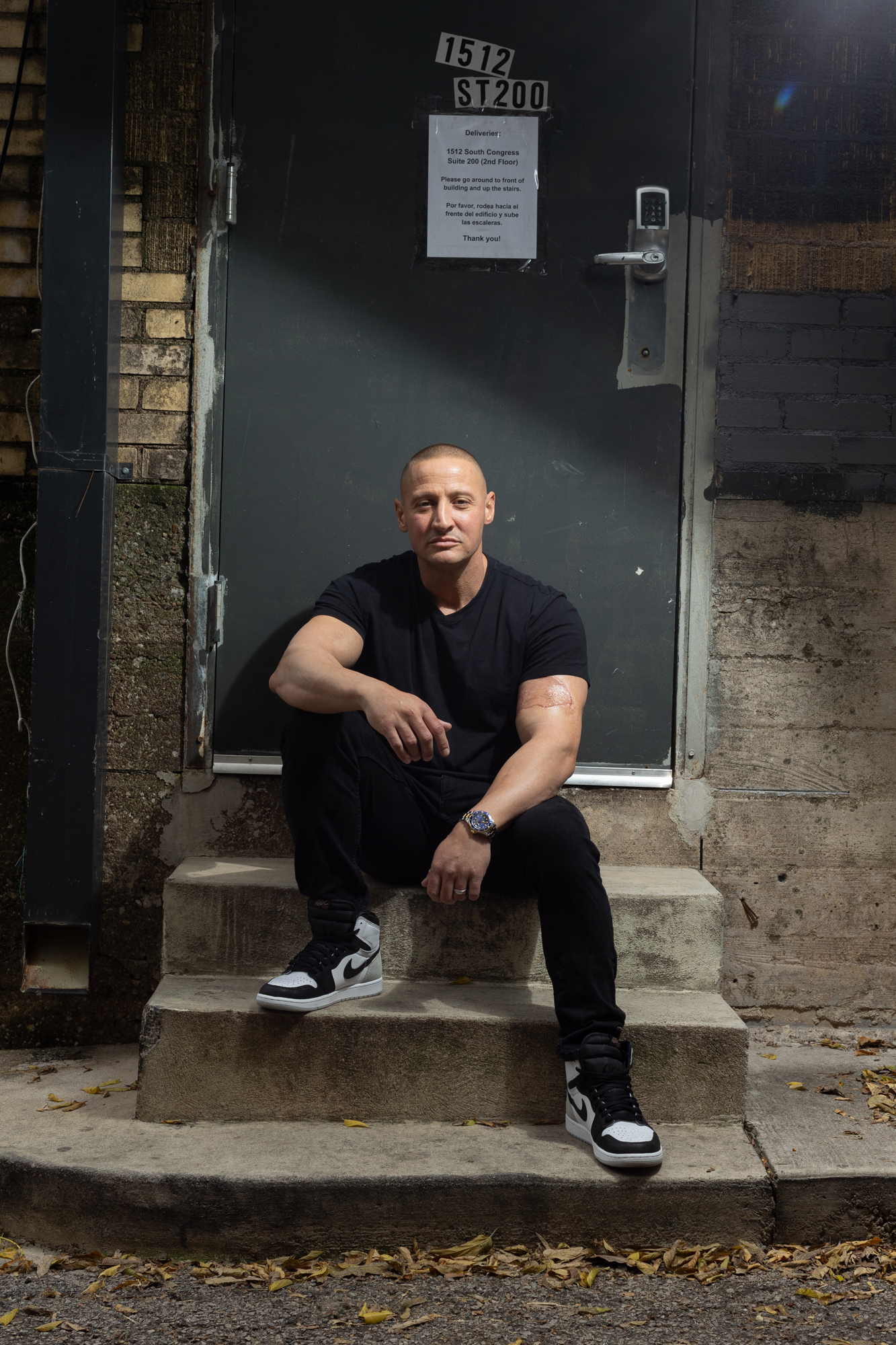
Author
FRANK PARISI is an international bestselling author, keynote speaker, and heart transplant survivor who lives in Austin with his wife Kat and their son Sonny. He published Embrace Abundance in August 2024 on the one-year anniversary of his transplant. He is a managing partner and brand ambassador at Emotion Wellness in San Antonio.
Order Embrace Abundance at frank-parisi.com
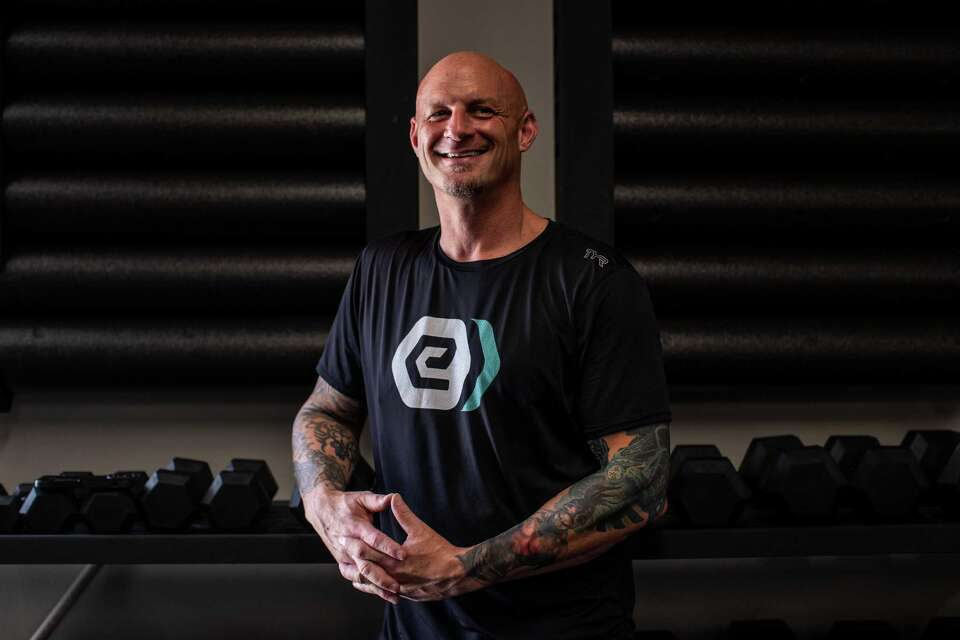
Founder
JASON TURNER is the founder and CEO of Emotion Wellness, an aftercare program in San Antonio built around the idea that the nervous system has to come first. He served ten years in the Air Force, where he trained bomb-sniffing dogs, and is a Pat Tillman Scholar. He has been sober since 2003.