


Life After 5 Years on Skid Row, Owning a Treatment Center & Realizing the Industry is Built on Lies


Richard Galvan began stealing, getting arrested and drinking vodka alone in sixth grade. He snorted and sold his Ritalin, stole his mother’s pills and drank cough syrup. By his early teens, he was selling pills, using meth, and became well known to the police.
Born in 1982 in the San Fernando Valley, by 10th grade, he started using heroin and spending time downtown near Skid Row. He was kicked out by both parents, lived with relatives, friends, and on the street, and entered juvenile hall at 16.
From ages 17 to 22, he was intentionally homeless with his girlfriend, was arrested multiple times, and continued daily drug use.
In 2004, at age 22, he got sober through a Proposition 36 rehab program. While in rehab, he turned himself in to resolve tickets and restitution. He stayed active in AA for 18 years, sponsoring others and speaking in prisons and youth camps.
He later opened a sober living home, an outpatient program (Casablanca Outpatient), and a residential detox (Essence Healthcare). After losing money and facing ethical conflicts, he sold the companies and moved to Barcelona, Spain.
He wrote The Addict, created his own sobriety program, and has been sober 21 years as of 2026.
GUEST
Richard Galvan
Author of The Addict
Richard Galvan overcame early alcohol use, heroin addiction, homelessness, and arrests to achieve sobriety at 22 via Prop 36 rehab—now 21 years clean.
Former owner of Casablanca Outpatient and Essence Healthcare, he sold due to ethical issues and moved to Barcelona from LA.
Today, he promotes his book The Addict, runs a 12-step sobriety program, and advocates recovery through AA, speaking, and social media.
Learn more about Richard’s book, The Addict
Follow Richard on Instagram @casablancaxsl and TikTok @baby.daddy.manife
Matt Handy is the founder of Harmony Grove Behavioral Health in Houston, Texas, where their mission is to provide compassionate, evidence-based care for anyone facing addiction, mental health challenges, and co-occurring disorders.
Find out more at harmonygrovebh.com
My Last Relapse explores what everyone is thinking but no one is saying about addiction and recovery through conversations with those whose lives have changed.
For anyone disillusioned with traditional recovery and feeling left out, misunderstood, or weighed down by unrealistic expectations, this podcast looks ahead—rejecting the lies and dogma that keep people from imagining life without using.
Got a question for us? Leave us a message or voicemail at mylastrelapse.com
Find us on YouTube @MyLastRelapse and follow Matt on Instagram @matthew.handy.17
About Harmony Grove Behavioral Health
Harmony Grove delivers outpatient addiction and mental health treatment focused on wellness, creativity, and authentic human connection—providing a supportive space for healing that extends beyond traditional clinical care.
Harmony Grove’s IOP in Houston, Texas, is more than a program; it’s a lifeline for those ready to take the next step in their recovery. We are ready to meet you where you are and find your unique path to change.
If you’re feeling overwhelmed or struggling, you don’t have to face it alone. Reaching out for support is a sign of strength, and help is always available. If you or anyone you know needs help, give us a call 24 hours a day at 844-430-3060.
Host: Matthew Handy
Producer: Eva Sheie
Assistant Producers: Mary Ellen Clarkson & Hannah Burkhart
Engineering: Chris Mann
Theme music: Survive The Tide, Machina Aeon
Cover Art: DMARK
My Last Relapse is a production of Kind Creative: kindcreative.com
Matt Handy (00:00:03):
I am Matt Handy, and you're listening to My Last Relapse. Richard, how are you?
Richard (00:00:09):
I'm good, man. How you doing?
Matt Handy (00:00:11):
I'm good, man. Thank you for coming on. Where are you right now?
Richard (00:00:14):
I'm in Barcelona, Spain.
Matt Handy (00:00:16):
Okay. And you live there, right?
Richard (00:00:18):
That's where I live.
Matt Handy (00:00:19):
Okay, so let's take it back, right? You're from LA. You grew up in LA, you grew up in the valley. Tell me what it was like. What was your upbringing like? Let's do the addiction. Talk real quick. What did that look like? Incarcerations, gangs, all that.
Richard (00:00:36):
I basically, I don't, I want to say that I was a miserable kid from the start, man. And the first time I drank, nobody was really doing it, and nobody suggested to me. It wasn't peer pressure. My parents, my mom and my stepdad left, and I just went in and got, I went in the freezer, I got the vodka, and I poured a shot, and then I felt good. I poured another and then another. And from that day forward, man, and I was already stealing and I was already like a bad kid. This isn't sixth grade going into seventh. And instead of, I switched from stealing beef jerky and Parker pens and JCO pants to just, I was stealing bottles every day, dude.
(00:01:32):
And I was on Ritalin and all that. And then I started slightly after I got on Ritalin, and I just started snorting those, selling those, stealing my mom's pills, drinking my mom's cough syrup, all that stuff, man. And I just wanted to stay high all the time, dude. I didn't see any reason to go back to being sober. A sober breath was horrible, dude. I just wanted to stay loaded all the time. And I sucked in sports relatively to everybody else. And all I had going for me was just drinking and using, selling drugs and just doing that. And then when I started selling the pills to the homies, and they, that's a long story too, but that got me into them being comfortable, giving me harder drugs.
(00:02:39):
Then I was just doing meth, and I was high, every day and up until the day I got sober, unless I was busted or there was a brief period of time when I moved with my dad, where I tried to stay sober a little bit or just wind it down to try to do good. And then by 10th grade, I started doing heroin. And I had always thought that, like I said, I was doing meth. I was smoking weed every day, and I always thought addiction. I can't get addicted to anything. I could stop whenever I wanted to. Not that I ever wanted to stop. I never felt like, I don't know, man. And then when I started doing heroin, that just, everything went downhill from there. I started out going downtown just to pick up and then coming back to the valley, selling some. And then I just ended up staying down there. Dude, my mom had kicked me out. My dad kicked me out. I went to live with my nana. I went to live with some of one of my mom's friends. I was living with the homies. And then next thing you know, I just stayed downtown until I got sober.
Matt Handy (00:04:03):
About seventh and San Pedro, like that area?
Richard (00:04:09):
I only went to seventh and San Pedro in the nighttime. I was more around Broadway, spring because back then, spring and fifth and spring was, where was that? And fifth and Maine and all that. And I only liked to go to San Julian because you couldn't score. Once it turned dark, you had to go to San Julian. But yeah, I spent a lot of time there too.
Matt Handy (00:04:35):
Yeah. Yeah. I've got some skid row stories.
Richard (00:04:43):
It's a fun place.
Matt Handy (00:04:45):
Yeah. I mean, the homeless thing is crazy, right? I was intentionally homeless. I would get kicked out of places. So this is what it was. I got us kicked out of seven places in 14 months, and my girlfriend and I at the time now, my wife, we had a conversation. We were just like, this isn't fucking working, and it's getting in the way. And when you really do the math, it's over 20 grand that we could have spent on heroin. And so we were like, fuck it, we'll just be homeless. And so there was a very intentional decision to be homeless, but what most people don't realize about being homeless is that everybody ends up homeless for different reasons. But once you are homeless, there's no other way of life that is what you want to do for the rest of forever. That's what I wanted to do for the rest of forever until at least I went to prison or died or whatever.
Richard (00:05:43):
It's funny because people are like, oh my God, you were homeless. Oh, that's so sad. But I kind of agree. It wasn't really that bad man. And I was having fun, especially when you could, I was doing what I wanted. I mean, I was sad in a way that I had been abandoned by my family and forsaken. But as far as what I wanted to do, just using and just being on the streets and being with the homies, and it didn't suck until it started to suck, man, until you hit that point.
Matt Handy (00:06:25):
Yeah. How long were you homeless for?
Richard (00:06:32):
Somewhere around 17 till I was 22. And then there was periods of times where I'd stay in some hotels or I'd go to my nana's for a week, then they kicked me out, or I'd stay with the homies or whatever. But you just, I guess, like you said, man, once you're just wild and untamed, you can't really be in a house. You can't be in anybody's house, dude or a part of a, you're just like, I got to be out there just,
Matt Handy (00:07:09):
Yeah, for sure. What year were you born?
Richard (00:07:12):
82.
Matt Handy (00:07:13):
Oh, yeah. So dude, I try to explain this to people. I was part of literally the year after me, everybody got cell phones in high school, but there was even,
Richard (00:07:25):
Whenwere you born?
Matt Handy (00:07:26):
I was born in 89.
Richard (00:07:28):
Oh, shit. You're young, man.
Matt Handy (00:07:29):
Shit, you're young too. I mean, you're not that much older than me, but I try to explain to people now, I have a treatment center now too, and I try to explain to people how much of a secret society that the underworld used to be. Now everybody's selling drugs on Instagram, right? It is Like before you had to know people, they had to trust you, and you had to have the secret handshake. But now it's a status thing that they sell drugs. And then it's also a status thing that people do drugs and it's so glorified. And everybody, all the mainstream music, they're all talking about doing. I mean, they've always talked about doing drugs and music, but now it's blatantly glorified if you're like a drug dealer.
Richard (00:08:21):
Yeah, it's definitely different, man. I mean, I guess they glorified, it's always been kind of glorified, but it wasn't as easy, like the barrier of entry and the accessibility for just anybody that wanted to in my day, and I'm sure still in your day, you couldn't just go up to somebody and try to get it, like the heroin crowd or the meth crowd, you know what I mean? It was really selective, and you had to have homies, and you had to be a part of that already.
Matt Handy (00:09:05):
Somebody had to raise their hand and be like, this guy is not going to tell on us, and he will commit crimes with us. And there was a checklist that where in order for you to score, you had to check all these boxes first.
Richard (00:09:21):
Yeah,
Matt Handy (00:09:22):
Yeah.
Richard (00:09:23):
Especially downtown, going downtown. I mean, they did sell randomly to people, but if you wanted to buy packs, yeah, they had to know you.
Matt Handy (00:09:38):
And also, I think homelessness, the lens that people are looking through homelessness today has changed drastically too. I feel like, especially even more when you were homeless. I was homeless from 2000 18, 19, 20. So back then it was more of a secret society. People weren't trying to interact and they would just leave people alone or whatever. Now it's like you got the news going down there every week, doing interviews with people, podcasters going down there, everybody's watching other people's homeless experience real time.
Richard (00:10:16):
Yeah. But here's one thing I know, I watched some, my cousin sent me some documentary about homelessness. I think it's called American
Matt Handy (00:10:25):
Breed, or
Richard (00:10:27):
It's like a big homeless documentary, and everybody they interviewed was transplants or people like the kids from around America that had come to LA and chose to be homeless. It was different societies in the homeless crowd as well. You know what I mean? There's the kids that are kind of just don't want to be at home and are partying. And those are usually the kids that they end up interviewing. They were going to interview me or some crust. They only interview the friendlies, basically, that they feel are not dangerous, and they don't really get, that, doesn't give you a good lens of what it's really like.
Matt Handy (00:11:20):
Yeah, totally. When did you start getting arrested?
Richard (00:11:25):
I always do. The first time I got arrested was in six. I was always getting picked up by the cops, I want to say like sixth grade, but I didn't start going to juvenile halls until I was like 16.
Matt Handy (00:11:38):
Okay.
Richard (00:11:39):
And then from then on, once I got sober, I stopped getting arrested, which was at 22. I did have to turn myself in when I was sober, when I was still in rehab just for all my tickets and restitution fees and all that. But yeah.
Matt Handy (00:11:59):
Did you ever make it to ya?
Richard (00:12:01):
No. No.
Matt Handy (00:12:02):
Okay. Dodged a bullet on that one.
Richard (00:12:05):
Well, the crazy thing is, man, I really was doing all the crimes, if not more severe. Obviously I have homies that were murdering people, but I was doing some pretty crazy stuff, but I just didn't get caught, and I took a lot more precaution. And my first three times I got arrested, they were da rejects.
Matt Handy (00:12:41):
Wow.
Richard (00:12:43):
My first three times, none. And then the next time I got arrested was I had a bunch of heroin balloons. I had a bunch of balloons in my mouth. I even had balloons of meth and stuff. And that's when Prop 36, not the Prop 36, they have now, but the original Prop 36 came out and all my cases fell under that umbrella.
Matt Handy (00:13:07):
Oh, wow.
Richard (00:13:07):
So no matter where I got arrested, Pacoima, Hollywood, whatever, they would transfer it back to Pasadena and it would go before the Prop 36. Judge. I was always high. It would get reduced to, it would fall under there under my drug. So that saved me, dude, because when I first got busted with heroin, it was still a felony.
(00:13:35):
And prior to that, people were going to prison for that. And then prop, my public defender was like, Hey, there's this Prop 36, we're going to get you on it, and you just going to go to rehab. And I'm like, all right, man. Which a lot of people hate on Prop 36. But that saved my life, dude,
Matt Handy (00:13:55):
For sure.
Richard (00:13:56):
Because I would've just been going, I'd be caught up in the system right now.
Matt Handy (00:14:01):
Yeah. I mean, so Prop 36, especially when you talk about Prop 36 today, how watered down, first of all, it's not illegal.
Richard (00:14:11):
It's a different thing
Matt Handy (00:14:12):
Yeah. It's not illegal to get caught with drugs in California anymore. It's like a ticket, I think, unless you're selling drugs. But people don't realize, I know somebody in the early nineties that he ended up catching a life sentence. He had P priors and then got caught selling a dime of meth and ended up doing a 25 to life case.
Richard (00:14:38):
Yeah, dude, people were catching dude rock. He caught with rock, or people were catching heavy time, man.
Matt Handy (00:14:46):
Yeah. It was no joke back then. And so now it's like we live in this time where people don't really appreciate what the generations had to go through before us to get us to where we're at today, because it's more fucked up today than it's ever been, but it's less strenuous or less serious to commit all these crimes. You can't get arrested anymore for stealing from a store unless you're running out with carts full of shit.
Richard (00:15:17):
That's great, dude. Sometimes I see those videos and I'm like, man, I wish if that was the way it was back in the day when I was, fuck, man. You just run out. People are running out with Louis Vuitton bags and just everything, man. And they can't say nothing. I have a bunch of petty thefts too, and fights with security guards and neighbors trying to hold me down. And from petty thefts, man, now you can't. They just let you go.
Matt Handy (00:15:48):
Yeah, I'm pretty sure there's laws around, oh, you know what? I don't know them, but I've heard of people suing security guards, security companies that stopped them from stealing.
Richard (00:16:04):
I don't know what's going on with all that, man. That's some crazy stuff,
Matt Handy (00:16:09):
Isn't it? It's a whole paradigm shift compared to, because I grew up in the nineties where that was kind of the height of the crackdown, and then right after it just got so bad they were locking everybody up. They were locking everybody up for a long time. And then there was year violations, eight month violations, 16 month violations. And dude, the prisons were just so full and everybody was a felon, and they were like, this is not working. And now it's like everybody's still a felon. They're just not being charged with anything.
Richard (00:16:46):
Honestly. I think there needs to be a little bit, I don't know about any of all that politics and all the stuff that's going on. There needs to be a certain level of fear of committing crimes. You know what I mean? If nobody's afraid, it's bad, dude.
Matt Handy (00:17:14):
Yeah. I mean, we're watching it in real time, right? San Francisco, there are entire billion, multi-billion dollar corporations that pulled out of the whole city, Walgreens, CVS. There are none. Right? You can't go to downtown San Francisco anymore and walk into those pharmacies anymore. They're gone.
Richard (00:17:37):
I have my own. Why do you think they're doing that?
Matt Handy (00:17:39):
Yeah. I think that they are corralling people that they want people in certain areas, and the best way to do that is decriminalize a bunch of shit in this specific area. So now everybody's just in the same area doing the same shit. But then in downtown San Francisco, I spent a lot of time up there in the early two thousands, and to this day is one of my favorite cities, and it was just super dope to be there. And I would stay at the King's Hotel, and there would be, at 7:00 PM there would be a guy that would show up on the corner with a backpack, and I would watch him out of my window, and he would show up with the backpack, and people would line up down the street and he would empty his backpack, and then he would just dip for the night. But he would come to that same corner every night and people would line up around the corner. What did he have in his backpack? Crack. Yeah. He was giving it away. No, he was just selling it right there. He was selling it right there.
(00:18:50):
And cops are driving by and people are walking by. I'm like, how is this being allowed right here, right now? And I was happy. I would walk downstairs by a sack, go right back up to my room. But in my head, I was a teenager at the time. I'm like, why is this happening? And then I watched the downfall of the city, and it was like, oh, they started small. They kind of just turned a blind eye, and then they decriminalized it, and now it's just, it's like a fucking post-apocalyptic wasteland. These is one of the richest cities in the country.
Richard (00:19:28):
Sometimes I feel like just having been just a real estate investor, sometimes I feel like they do that to, on a long-term scale.
Matt Handy (00:19:41):
Oh, yeah. Long-term plan
Richard (00:19:44):
To destroy certain areas, especially with downtown dude, downtown San Diego.
Matt Handy (00:19:49):
Yeah, I was about to say that
Richard (00:19:50):
Downtown LA is going to be some of the most valuable real estate on earth at some point. So if they can wreck, they can wreck it and buy that up,
Matt Handy (00:20:00):
Man. Yeah. I do think that there's a long-term game and what people talk about it pretty openly, right? They're like, I think a lot of people see this, right? That it's almost intentional. Why are you letting homeless people have open fires and abandoned warehouses if you don't want them to burn it down?
Richard (00:20:21):
Yeah. Here comes my cat. Dude, get out of here, man. It's like the frog in the boiling water, man. And I saw that. That's one of the things I saw as soon as when COVID hit and we were living in, well, first I was living in Woodland Hills.
(00:20:47):
And there was so much homelessness, and I was like, I always wanted to live here south of the Boulevard, like a beautiful house. And then just the homelessness was so not even homeless, like me and you homeless, insane zombie running after my wife, my now ex-wife and my kids, and the cops doing nothing about it, which they obviously, I have friends that were a part of that division, the Topanga division, and they want, dude, believe me, they would want to bust heads and clear things up, but they're told to not do anything for whatever reason. And then we moved to Malibu, and then my neighbor got attacked with a machete, and then we moved to the Venice canals, and it was even wilder. Now. I was like, LA, what's happening in LA is only going to get worse. And then what's happening in LA is going to spread throughout the United States. You know what I mean? And I'm sure it's starting to spread in places like Austin and that, whatever you want to call that, that's going to be all of America soon.
Matt Handy (00:22:07):
One thing that I've kind of, I haven't been doing adult shit for very long. I got arrested for a bank robbery at the end of 2020, and I've just really been adulting for a couple years now. But one of the things that when you're actively addicted and you're homeless, or when you're not participating in society and you're on the outside looking in, you can kind of glean things that other people just take for granted. And one of the things that I've also noticed is that the West Coast and then certain little cities that you hear, like New York, Miami, shit like that, the West Coast sets the pace for what the rest of the country's going to do in 10 years.
Richard (00:22:49):
Yeah, yeah, yeah. Not just in styles. And what happens in New York in la maybe now starting to be Miami spreads, and especially with social media.
Matt Handy (00:23:05):
Oh, yeah.
Richard (00:23:06):
Now, like I said, over here, when I first came to Europe 10 years ago, everybody was European dude. Everybody dresses really formal. And I showed up in vans and Levi's and hoodies, and I had to buy nicer clothes because I stuck out so much. Now, with social media, everybody in Europe, I don't want to say Europe, but in Spain, Barcelona, a lot of people are dressed like they're from LA or from California, because social media, it's made, somebody in Kansas is now seeing what's going on in LA and in New York
Matt Handy (00:23:52):
Real time.
Richard (00:23:52):
And they feel like the stores and just the culture, and they feel like they have to keep up or else they're going to lose people, towns are going to die out. So it's going to spread even faster.
Matt Handy (00:24:06):
So social media has contributed to a lot of things. Mental health declines, dude, the decay, the total breakdown in communication between people. But that's another thing that it's slowly just eating away at, is the cultural differences between even neighborhood to neighborhood. When you were a kid, you could go from one neighborhood to the next, and it's culturally different, right?
Richard (00:24:34):
Yeah. You've never talked to your friend. You can go from one neighborhood to the next, and you're in a new bubble. You're in a new world. You may never talk to your friend that's five miles away ever again. You know what I mean?
Matt Handy (00:24:47):
Yeah.
Richard (00:24:53):
Wasn't a shared culture.
Matt Handy (00:24:55):
What's even crazy. Same
Richard (00:24:56):
Thing
Matt Handy (00:24:57):
Is even with the cultural breakdowns, we are so divided. We want to be more alike, more than ever, but everybody hates each other. Everybody's at each other's throats.
Richard (00:25:14):
I think everybody just wants to be popular and be known on social media and on. Yeah. Dude, the only reason I got on TikTok is I realized after I wrote my book, I'm like, I have to be on here, dude. Now it's the standard for anybody. You can't get a book deal. You can't get anything unless you have a social media presence. And that's
Matt Handy (00:25:59):
Just, yeah. It's just the reality. That's our new world, man. Yeah. The barrier to entry around things that, again, were really specific authors, were authors. People that were on the news. They were on the news, people that did whatever, even chefs. Even chefs had their own little niche, and now everything's just being blended.
Richard (00:26:25):
Now everybody's like,
Matt Handy (00:26:26):
Yeah,
Richard (00:26:27):
Yeah.
Matt Handy (00:26:29):
Okay. The reason why I really wanted you to come on, we live in a world today where treatment, everybody kind of understands what treatment is supposed to do because of what everybody's promising it delivers. But the treatment industry is plagued with a lot of deficiencies and a lot of disconnects. And one of 'em is we over promise and under deliver across the board, we always tell people, especially if they're ignorant to the facts of what treatment is, we will tell the people till we're blue in the face that if you send your kid to treatment, they'll get better. Or if you just remortgage your house this time to send your kid back to treatment, this time it'll work. And maybe they're not promising straight up that this kid's going to get better or whatever. But in so many words, BD reps, they're willing to say whatever it takes to get ahead in a bed.
(00:27:26):
And then also since, so 1985 was the transition out of the field of recovery into the treatment industry. And when that happened, outcomes plummeted. Right? And I'll never try to take away from the people on the front lines of the treatment industry, because a lot of them, they think they are in the business of saving lives. But I'm a treatment owner. And one of the things that I know for sure, it's just a fact, and I don't care what anybody else says, we're not in the business of saving lives. We're in the business of saving lives that can afford it. And for that to be a factual thing. And a lot of people, again, they're trying to do the best job that they can do, but they're not the ones that need to be held accountable. It's the owners, the investors and the payers. The payers. Ultimately, it's the payers are connected to the medical industry, the insurance companies, stuff like this. They're the people that set the pace for what is promised and what's delivered. And I think that most people are really, even within addiction professionals are really just ignorant to what the reality of the industry that they're a part of. They're just a small cog in the clockwork.
Richard (00:28:47):
Yeah. Yeah, for
Matt Handy (00:28:48):
Sure. And I heard you talking about just kind of touching, just really lightly touching on some stuff. And not a lot of people speak that language because they wrap their identity up in, they work in treatment. And so when people like us start saying stuff like that, what they think we're saying is that we're attacking their identity, but that's not what I'm doing. And I don't think that's what you're doing. I think what I'm trying to do is raise awareness around, look, the reality is you're not going to get clean unless you want to. And for treatment centers to take people's last dime under the guise of, we're going to get your son better, I feel like it's unethical.
Richard (00:29:37):
Dude, I got a lot of things to say about the treatment industry.
Matt Handy (00:29:40):
Good. Look, good. I don't get a lot of guests that are willing to say what they actually think. That's actually one of the things that when you look at my channel description, it's one of the things that I put on there intentionally, is that I'm willing to say things that you've been secretly thinking.
Richard (00:30:02):
Well, a lot of people, I mean, here's kind of just like a, I don't even know where to start, but I'll just say this, that the only people that are really aware is the owners, like you said, right? I know a lot of people, obviously I've been in AA for 21 years and back home, a lot of the people that were a part of my home group and just people I knew were counselors and staff, and they were there to try to help. And they were real people, not crooked at all. And that's another thing that separated me from everybody else I knew in treatment, like we were talking about, is I got sober and I got sober in a treatment program. It was called the Royal Pumps MacArthur Park Ghetto Treatment Center. And I had a commitment there every Sunday that I kept for 18 years till I moved to Spain.
(00:31:24):
So when I was going there, I always had a bunch of sponsees that they were leaving there. They needed a sober living. And I had a funnel of people, and I was speaking in prisons and camps and everywhere. So I had a bunch of clients organically that were just, I always had sponsees. And I had clients before I needed clients. And when I got into that industry, I already had money. I had rental properties, I had another business. I didn't need any money from treatment. And in fact, I lost a lot of money the first Year.
(00:32:09):
I was just scholarshipping people like crazy. Dude. I opened up a sober living, and dude, I was like, dude, I was taking people in. As long as you were willing wanted to get sober, I would help you. Because I was so grateful for having, being fortunate. That was a way to be of service. And when I opened the outpatient, and then I started having to follow DHCS guidelines, and then when I was running the program myself, I would do what I had to do to help people. But when it got bigger, and I brought on partners, not financial partners, but just to, it got bigger than I knew what to do with. And I couldn't run it ethically and write by myself with one or two other. I needed people that knew what they were doing. But with that came, we have to do everything legally and by the book and ethically, which sometimes it's like you could either help people or you could do things the legal way. And it got to the point where, and I might be jumping around, but this is just my point of view. You're good of treatment. I couldn't stand it anymore. I felt like, I'll give you an example. Somebody comes in, when I was getting sober in rehabs, not just any rehab, to be on any type of strong narcotic, you couldn't be on methadone in rehab.
(00:34:30):
They might detox you for two weeks, but that was it. You couldn't be on Vyvanse. You couldn't be on Suboxone, maintenance, dude, you couldn't be on. Now, people would come in and want to be on Vyvanse and want to be on Suboxone maintenance and want to be on just all these Gabapentin, dude, I am like, we're not doing anything for these people, but jumping them from, we're not helping them. We're just making money off of their insurance. And nothing to do with that was what we were legally kind of bound to do. It wasn't like we were, I want to say the one thing about my place is, and I know it sounds, but we were one of the only people of all the treatment, of all the places that I knew that were doing things, because my partners were in the program too. They were legit sober. They were actually trying to help people and not just be like, everybody's body brokering, dude. They're just jumping IOP to IOP and just swapping and paying for clients. And I wasn't gnarly about, and the part I hated was you couldn't just come in and say, I want to get sober.
(00:36:13):
I'm kind of feeling bad. I have some withdrawal symptoms. Go to detox. Detox, and then be fully sober throughout treatment, because we would have to put, in order to get authorization for more days, we would have to, you kind of have to say they have anxiety or they have depression, or they have whatever
Matt Handy (00:36:42):
You have to legitimize to, you have to justify their,
Richard (00:36:46):
You have to justify.
Matt Handy (00:36:47):
Yeah. You have to justify the services that you're giving them. So I went to treatment at a really high-end treatment facility this last time around, and I got ahold of my chart afterwards. I went to treatment in Austin, and then I came back to Houston for IOP, and I got ahold of my chart for some reason, and I had three and a half years sober, and I relapsed for a couple weeks. And in that relapse, I really quickly realized I didn't want to do this anymore. So I went to treatment and I got ahold of my chart. And my attitude in treatment was, I am fucking happy. I'm super good. I'm glad. Whatever. I'm helping, I'm teaching people about the book, and I'm,
Richard (00:37:39):
You're all positive and feeling good, Right? And your notes were something different.
Matt Handy (00:37:43):
Dude. And I got ahold of it, and they were like, you have to meet the criteria. And what it is is on a scale. And they'll say, how are your triggers? How are your cravings? How is this? Are you suicidal, homicidal? Are you depressed? Anything like that. And it'd be like zero. Zero.
Richard (00:38:00):
You can't be like, I'm feeling good, man. Yeah, it's all good.
Matt Handy (00:38:03):
I was like, 0, 0, 0, 0, 0. And I got my chart and it was like, it's just one to seven. And half the time it'd be like, sevens for anxiety, six for triggers, three for cravings. And I'd be like, and this is before I wanted to get into the treatment industry, and in my head I was like, dude, what? And in my head, I'm like, who are you reporting this to? Not understanding that they had to do it.
Richard (00:38:31):
That's the thing. You have to be, that's what I'm saying. You could either do things legally and buy the book or you can help somebody. I mean, you know what I'm saying? It's not, you just can't. If they would've said, Hey, he's all good. He's feeling good. They would've been like,
Matt Handy (00:38:52):
Kick him out.
Richard (00:38:53):
Then he's got a go. I was in treatment for one full year, and I didn't pay anything. And it was just off of, they used Medi-Cal. And when Medi-Cal ran up, they used gr,
Matt Handy (00:39:07):
Hey, you know where I went when I got booked for that bank robbery, I went to Delancey Street.
Richard (00:39:14):
Delancey Street. Dude, that, that's another good one too. People are in there long term.
Matt Handy (00:39:20):
Three years. I had to go for three years.
Richard (00:39:21):
I used to think those were, dude, I used to look down on those places. But now, if my kid was ever, to some reason be forced into, they became addicts and they were forced to go to treatment out there, I would send them to a Delancey Street, salvation, all the places I used to clown, man. I'm like, those are the last, not the last, but those are solid places,
Matt Handy (00:39:49):
The best treatment episode I ever participated in was seven months at the Salvation Army.
Richard (00:39:56):
Yeah. I'm not even religious dude, but the salvation me neither help Dudes, man.
Matt Handy (00:40:02):
Me neither. I'm not religious, but it was the, oh, so have you ever read this book?
Richard (00:40:12):
No.
Matt Handy (00:40:13):
Okay. It's slaying the Dragon, but look who wrote it. It's William White, right? Do you recognize that name?
Richard (00:40:23):
William White? No.
Matt Handy (00:40:24):
Okay. So he ran the Recovery Research Institute for decades. And this book talks about the transition out of the field of recovery into the treatment industry and just wrecks. And the reality of it is, it's like I said, we claim to be in the business of saving lives, but we're not. We're in the business of saving lives that can afford it.
Richard (00:40:53):
Well, even deeper than that, I think when I was in treatment, you can still come in homeless with nothing and stay for a year and get, not be on no meds, dude And leave off no meds because you couldn't stay with us unless I scholarshiped you, which I used to do as well. Unless you were on meds, you had to be in the typical, I used to argue with the doctors and in our clinical, because Gabapentin, Seroquel, this cocktail that we have to give these people in order to stay. And when a doctor tells you, I can't tell them, Hey, you don't really have to take any of that. We just kind of have to
Matt Handy (00:41:53):
Prescribe it.
Richard (00:41:54):
Give you that. Yeah. But when a doctor tells somebody, Hey, you need these medications, people really take that to heart and they stay on those medications, and then they don't realize that when you come off them, you're going to have some sort of a withdrawn. You're going to feel like crap. And when, I guess it goes back to that Obama, when he signed that care
Matt Handy (00:42:23):
Yeah, 2008 parity and all that.
Richard (00:42:26):
Basically he handed everything to insurance companies and pharma. So now we're just, I think that a treatment, unless you're rogue or unless you're really in tune and willing to lose some money, you're just a machine treatment. A machine for either people to get rich off insurance or to feed the pharmaceutical company or something. Dude,
Matt Handy (00:43:03):
One of the thing that blows, okay, so Harmony Grove is my treatment center, and we're buying 148 bed residential, and we got a 38 bed detox on the same property. But I have been open since July, and I have scholarship like 85% of our clients, and I work with a doctor. He is also in recovery, and he's also a neurologist that was forced into recovery. In order for Dr. Shah to stay a Dr. Shah, he had to get clean. And so the lens that he looks at addiction through is through a neurology lens. And one of the things that I've always wondered about that, I've always been like, why does this happen? He has drawn a line in the sand around it where he's like, why are we diagnosing and then prescribing according to the diagnosis, for people who are just coming off drugs and we're diagnosing them with anxiety and depression, of course they're depressed.
Richard (00:44:10):
Well, of course, dude, that's what I used to say, man. People would be like, well, I feel depressed. And I feel like, yeah, dude, you've been using for 20 years and you've been sober two weeks. Of course you're going to feel depressed. You should, dude, you got to pay the piper man. And I'm glad you said about the scholarship, because one of the things, when people started noticing me in treatment, in the treatment industry over there, I want to work with you, Rick. Do you know how can we, I used to tell 'em like, how many scholarship beds do you have, man? Oh, we don't really do that. I'd be like, we're in the different industries then, because if I could, I would scholarship everybody. But you can't. You need
Matt Handy (00:45:04):
Stay open.
Richard (00:45:05):
Got to the money is the blood that keeps it going. But even if they had a 12 bed, even if they had one or two beds for scholarships, it makes all the difference, man. Because even if those 10 people are just like, they got to keep the doors open and maybe they get sober, maybe they don't, they want to be in treatment, they're off the street. It's really the two people, the scholarships that I used to say the pay people are so that I can scholarship people that are willing, Dude. So that's good. And the more beds more you got to play with.
Matt Handy (00:45:55):
Yeah, for sure. So like I said, dude, I was just homeless five years ago. I have no professional acumen. I have no business experience. I have no formal education. I have none of that.
Richard (00:46:10):
It's me too, Matthew,
Matt Handy (00:46:11):
My education came from the streets, it came from prison, from that was me. That was my education. My family, they all went to college. I'm the oldest of 10 kids. They either got married, the girls got married and the guys went to college or whatever. My education, the path that I went down was I went to prison. I was on my way to prison at 18, and then three prison terms, multiple homeless years. This was my education. And the only thing that I could do with this education is what I'm doing today, but my people are not the insurance babies are not the trust fund kids. Those are not my people. My people are the people that are going to die because they don't got the money to pay for treatment. They're the people that are labeled treatment resistant. They're the people that are labeled chronic relapsers. Those are my people.
Richard (00:47:10):
It's funny because again, I used to get it in arguments with just other treatment centers and other with my house managers, with staff. And I'd say, dude, look, the same thing, street life, gang life homelessness. Those are my people, man. Those are the people I want to help. The people that come, not everybody's going to come in looking like Tom Hanks with a mild drinking problem. The worst of the worst are the people that I want to help. Man. Even in AA meetings when people would come in and they'd be smelly and they'd be like, I'm like, dude, I would tell my sponsees, go hug that dude. Man, that's the guy you're supposed to help. You're not only supposed to help people looking like Matthew McConaughey or the worst. Those are the ones that you need the help, dude, those are the ones that need the help most. Those are the ones that fulfill me the most. Maybe that's the selfish thing, but the people like me, man, people like you, people like me, those are the ones that I do it for, not for Kyle Mcgavin. He just
Matt Handy (00:48:37):
Got caught with weed in his room and his parents are
Richard (00:48:40):
He got caught with weed. Dude. He had a bad, his mom yelled at him and said he had a bad problem for a while.
Matt Handy (00:48:46):
Yeah,
Richard (00:48:47):
I want real ones, man.
Matt Handy (00:48:50):
And then another part of this, and this is kind of like the selfish part, maybe the selfish part is that because I understand the situation that those people are in intimately, that is my story. I know that in my head, they have the greatest chance of success too.
Richard (00:49:13):
I think so too, man. I think everybody, every client that came in either went straight to my phone, everybody had my phone number, and I talked to a lot of parents. And the one thing I would tell 'em, and maybe that's sidetracking, is the more you help them, the longer, and it goes against everything that as parents, that we feel like we want to help our kids, but I'm like, you're paying their rent. You're paying for food, you're paying for their sober living, all this stuff. You're kind of hurting them.
(00:49:58):
You can support them emotionally and morally great. But financially, dude, when you give an addict, when you support them financially, you're putting bullets in the gut. And the ones that I can tell, I'm sure you can tell when we talk to 'em and we're like, dude, this guy has nothing, man, nothing, nowhere to go. Those are the ones that are more malleable, that are more willing to take direction and are easier to help. It's the ones that are like, I can leave here and go to my mom's or stay at a hotel. The ones with options still, they have an option not to listen to you or not to get sober or to do something else. It's the ones with that are up against the wall that you can really change their life, dude.
Matt Handy (00:51:04):
Yeah, I think, okay, so two things. I think that rock bottom is a myth today. There is no people reaching. There are, right? I was fucked up. My wife was fucked up. We were fucked up. But the average person, they say they're at a rock bottom, and that might be as low as they've gone, but they are continually rescued from the consequences of their own actions. And I tell people all the time, you're forged in the fire of your own suffering. I love that saying. I came up with it, so I love it. But the reality is, the hotter the fire is, the better you come out, the more ready you are for whatever it is that you have to do. But when parents specifically, but then also wives, friends, everybody nowadays, so a hundred years ago, two idiots, two fuckups started a program, and when people interacted with this program for the first couple decades, it says it in the literature, almost a hundred percent of them got better. Why is that? Why is that? A hundred years ago when they thought that it was a moral failing, when they interacted with aa, did they get better? Almost unanimously. And now with social acceptance, social advances in understanding, scientific advances, billions of dollars in studies, why is it almost a 99% failure rate?
Richard (00:52:41):
I think it has to do with options, dude, and acceptance from society and just, it's made easier. If you were an alcoholic back then, you were a pariah of society.
Matt Handy (00:52:59):
Yes.
Richard (00:53:00):
You know what I mean? You were the drunk and you were really looked down upon. If you're an alcoholic now, you can hide it better. I think there's more options now, back then, the only way you were going to get sober was if you got in a car accident or a near death experience or something jarring. Had to shake up your life so hard that you were open to another path.
Matt Handy (00:53:35):
You had to be on that really razor blade thin line of, it's like you said, the people that get in the car accident with their kids in the car and they're drunk, they change real quick. But this is another thing that I found out. Treatment used to be the last stop on the block, and now it's the first line of defense Parents. Parents are not just parents go to
Richard (00:54:03):
Rehab.
Matt Handy (00:54:03):
Oh, yeah. Parents, jobs, unions. Everybody's sending to people when they test dirty for weed at work,
Richard (00:54:15):
Or I just need to go to rehab to get my wife off my back, or Yeah, man, it used to be a shame like, oh my God, he was going to rehab. He had a scarlet letter on you that you went to rehab. Now it's almost cool. And that's another thing. I think the stigma of it, it has, its good and bad because now it's like, okay, before if you were an addict or an alcoholic or you were going to rehab, there was a certain amount of shame involved in it, and when you take that shame away, that's cool. It helps some people, but it also makes it acceptable and then makes its way into pop culture and into music or into the movies or whatever, that you have people that going to rehab or being an addict is not a bad thing anymore. It's almost like a cool thing to some people.
Matt Handy (00:55:25):
Yeah, it's almost another box that gets checked off. Here's the thing is I can't talk to other people that I interact with daily about this stuff, but I know there's information out there. So I just researched stuff and I look at statistics and the Recovery Research Institute and what is actually going on and all this stuff, and it's like, so one of the things that I saw was that every American adult, right? So let's say there's 200 million American adults in the United States, every single American adult, let's see, what's the date today on January 14th, 2026 is one or two degrees away from an active addict. So that's either one of their friends, which is the two degrees or one of their family members, which is one degree everybody knows. Everybody understands, but nobody actually knows. Nobody's really aware of this book is called Slaying the Dragon, right? Nobody really knows what the dragon actually is. Everybody knows, oh, when your family member's fucking up, you send 'em to rehab, or you call an interventionist and the interventionist tells you where to send them, but what does that actually mean? And there's an unrealistic expectation that treatment gets people better, and I don't think treatment gets people better. I think it's a place that could facilitate some changes, but treatment is not where you get better.
Richard (00:57:03):
I think treatment is just a holding, you know what I mean? First of all, a lot of this is the sad part, man, is people would, moms would call me husbands wives. I'm sure you've dealt with this too, and oh my God, my son, he's an addict, he's all strung out, whatever, take him, help him. Please just help him. And then you put him in the program and the mother and the son is under the impression that, okay, I just got to go to these groups from 9:00 AM to three 30, and then that's supposed to work. Why isn't it working? Why do I keep relapsing? Why do I not realizing? That's just kind of a structure. The treatment center is just like the vessel. It's a structure that it's after all the things that happen as a part of the treatment program that where that's what matters. You know what I Mean?
(00:58:23):
The actual, I can say this with almost a hundred percent confidence amount, the standard treatment program that from Department of Healthcare that everybody has to do isn't going to get anybody sober at all unless They're super desperate. I don't think it's gotten anybody sober. The curriculum Of Groups and just housing there, it's everything after that. It is what you do at that time after groups and before bed and where you're at spiritually and where you're at, who you're talking to, and who can change your perspective and what you do and how willing you are and the people you're around and all of that. It's complicated. It's hard to explain briefly, but it's all of that where people are going to find whether they're going to get sober or they're going to just ride it out. Yeah. It's not a result. People think that you just go there.
Matt Handy (00:59:35):
Well, okay,
Richard (00:59:35):
I did 30 days of rehab and why aren't I sober?
Matt Handy (00:59:38):
Well, it's like people talk about the recidivism in the prison system, but what about the recidivism in the treatment industry? And it is a comfortable place where parents don't have to stress about their kids, and now they're just sending people. I know. I personally know somebody that went to treatment 50 times. I know another person that went 28 times. I know another person that went 17 times when I was in treatment the first time I was 21. There was a guy that was in treatment. He had been on Dr. Phil because he had gone to treatment 150 times and it didn't work, and this was like his hundred and 52nd time, and he was telling everybody, and it's not going to work. And it's like, duh, it's not going to work Like duh. And it's like 28 days. This is another thing that's in that book, and it was mind blowing when I read this, and you've probably heard both of these terms, but it's just the difference in dropping two words. The term used to be exposure to the length of treatment dictates outcomes. Now, with the 28 day model being standardized, not normalized, standardized, it isn't just like a normal thing. It is, you are lucky if you get 28 days, but 28 days is definitely the cutoff. And you've got these unicorns out there that'll get 60 days. They've got the best health insurance possible from whatever
Richard (01:01:09):
Switch to mental health,
Matt Handy (01:01:12):
And then you can play the games with how you're diagnosing in order to get more days or whatever. But they changed that term from, so this is what it was. It was the length of exposure. No, the length of exposure to treatment dictates outcomes, and now it's exposure to treatment dictates outcomes. What they're telling people is, if you go to treatment, you'll get better, but what it used to say was, the longer you are in treatment, the better the chances that you'll get better.
Richard (01:01:49):
I think a part of that dude, and it sounds like conspiracy, I have a feeling that somebody, I don't know, dude, somebody was like, we have a drug problem in the United States
Matt Handy (01:02:06):
That we caused.
Richard (01:02:08):
Yeah, we're It's not going away, so we might as well just switch everybody to pharmaceuticals, and the way we're going to get those people is through treatment. Treatment is like the hub of where people go to get prescribed these forever, Suboxone, maintenance forever. That's the mill dude.
Matt Handy (01:02:39):
Yeah. Instead of using,
Richard (01:02:41):
I feel.
Matt Handy (01:02:42):
Yeah. Instead of using illegal street drugs, we're going to put you on the legal socially okay drugs,
Richard (01:02:47):
We're going to profit off of your spiritual mallody or your addiction. You're going to do it anyways. We might as well. We can use the treatment centers now as our
Matt Handy (01:03:03):
Transition onto pharmaceuticals. Yeah,
Richard (01:03:07):
Exactly.
Matt Handy (01:03:08):
And it's coupled, right? The medical industry, so when they transitioned into the treatment industry, it became a component of the, it's the bridge between the pharmaceutical industry and the medical industry. So now there's this thing in between that just perfectly bridges the gap.
Richard (01:03:29):
Yeah. And insurance companies.
Matt Handy (01:03:30):
Yeah. Well, and insurance companies are above, so it's like insurance companies, treatments in the middle somewhere, and then pharmaceuticals and the medical industry, and it's crazy. If you follow the money deep enough, what you'll find is that the single biggest owner of treatment facilities in the United States is BlackRock, and they also own insurance companies.
Richard (01:04:00):
I think when you couple all that, what you just said, and then you add in liability, just nobody's getting, you have to be a unicorn. You got to be so willing. You have to be to a, and I know the rock bottom thing, I think it's much easier for people that are at a rock bottom. I don't think that that's the only way you can get sober. I just think it's so complicated. It is. You know what I mean? There's so many different types. It's hard to just, I can't put anybody in one or give one solution only. Dude,
Matt Handy (01:04:44):
How about that? Let's talk about that. Right? So there's standardized terminology, evidence-based, individualized treatment plans that when you look at the definitions of the words, it should mean something, but all it really translates to into reality as far as the individualized treatment plan is that somebody created a treatment plan for you, and then you just go and do what everybody else does. There's nothing individual about treatment at all.
Richard (01:05:16):
Does treatment, I would laugh. The treatment plans, my role, so after my partners came in, I was done with the treatment industry. Dude wanted, I wanted to sell it. I wanted to get rid of it. They came in and I saw that they were actual sober people and knew what they were doing, and I was like, okay, I kind of like what they're doing. They're the only ones I had met that weren't crooked.
Matt Handy (01:05:52):
Yeah. Can I add something to that? So Miles, can I add something before we Yeah. It is the owner's responsibility. It's my responsibility.
Richard (01:06:05):
Everything from the owner down. Yeah,
Matt Handy (01:06:06):
Yeah. It's my responsibility.
Richard (01:06:08):
You said you're the leader?
Matt Handy (01:06:09):
Yeah. Yeah. I'm the captain of this ship, and I set the pace for the product that we deliver. And so my executive director, my clinical director, my medical director, they're all in recovery. Dr. Shah's got 12 years net. Martinez has like 20 something years, and Scott Kindle has 15 years, and they're all aa. I'm not an AA person. They are all AA people and they're all ethical, they're all whatever, but they all got sober for completely different reasons, but they're all doing this for the same fucking reason. They really want help people, and it took me over a year to find the right people that were all in recovery, and when I look at what they're delivering to the clients, I have to look at myself in the mirror at night and say, am I fulfilling my obligation to my clients? And I don't think that most owners even could answer that in the affirmative.
Richard (01:07:25):
Well, here's the thing with that. A lot of the owners, man, this is an LA thing. A lot of the owners that I would meet, and I don't think you have to be an AA or be sober. I know some people that are not in aa, not in recovery, that can make it work, and they truly do want to help people, but I think that that's the exception to the rule. I feel like a lot of the owners that, a lot of the owners now are just investors, and don't hold me to this, but unless you've been an addict and that spiritual torture, or unless you've been there for somebody that's just an investor and treating it, they don't understand, oh, he just smoked some weed. The guy was just smoking some weed. I'm not going to kick him out for that, or I'm not a big deal if you're an addict or he's just drinking a little. He only drinks once in a while. He's doing better and his insurance is paying me $5,000 a day. I'm not going to kick him out. You see it through a different lens, and when you have somebody in AA, and they don't have to be in AA or in recovery, but you need that lens, you need a certain style of heart and way to look at addicts and alcoholics to be able to help them effectively, and you can't look at them the same way you would look at any other problem on earth. You know what I mean?
Matt Handy (01:09:35):
Yeah.
Richard (01:09:38):
Specific. It's almost like an art to helping addicts and alcoholics because they're going to be some of the nastiest people to you sometimes and give you the worst problems, and you may lose money, you may be doing it for free. A lot of the people I helped were the ones that were for free and cost me money, and I had to keep bringing 'em back in and they stole the TV or they, you know what I mean?
Matt Handy (01:10:11):
Yeah.
Richard (01:10:12):
A good client doesn't mean the highest paying client. You can't really make that make sense to an investor person or somebody that doesn't have the heart for of helping addicts and alcoholics.
Matt Handy (01:10:28):
Yeah. Another thing that I say pretty often now on the podcast, I've only been doing the podcast for four months, and my niche in the podcast is recovery, and the majority of people that I've talked to are recovery professionals, and I'm starting to move out of that because I can't have these conversations with them, without them getting offended. I can't tell them that we're not actually in the business of saving lives. I don't want them to misconstrue what I'm saying and then think that I'm attacking them. I'm not. Right. But we need to zoom out a little bit, but this is my philosophy on it, is that you can sacrifice lives to make money, which everybody does, or you can sacrifice money to save lives.
Richard (01:11:21):
I think going back to what I was saying was when they took over, they kind of ran at some point, they took over operations, So I had little to do with operations, day-to-day operations. They were handling groups and notes and all the clinical stuff. My only job, aside from a face man was, okay, these people are here. They're in our facilities, they're in our sober livings, they're in our detox, they're in our, they're residential. They have to be group from nine to one, or if they're in PHP or whatever after that is my job to, I basically would just go in and show up to all the houses and talk to people and try to figure out, okay, this guy's just here as an IOP hopper.
(01:12:24):
This guy has no intention on getting sober. This guy, I don't know, and I would try to find the people that I can actually help. And I had to accept like, okay, just because we have 60 clients or 50 clients or whatever doesn't mean I can't help all of it. I have to accept that. And a lot of people in treatment, we need to help everybody. You can't, dude. You have to pick the ones that are willing to work with you and that you can help and hope that the other ones don't die or stay long enough. Or you can plant seeds for later. You can talk to somebody and you'd be like, this guy is, I don't have much hope for him today, right now. I could be wrong. People thought that about me, but this guy over here, I only have so much energy. This guy over here is like, he's perfect right now. I can work with him. And some of those people I'm still friends with now years later. And I think we have to accept that, like I said, the treatment facility is just the vessel that gets people in and is going to hold 'em for a while. And we need money to make things go. And we need this guy with a degree to do therapy in groups, but I'm not counting on any of that
(01:14:00):
To change this guy's life. I have to get in there. The owner or the staff have to get in there afterwards and really get hands on and deal with people on a personal level, maybe three in the morning, eight at night after group, once they've checked out of the program. You know what I mean? Somebody, people would go to other programs and still be calling me and talking to me. And it doesn't matter if you're in my program or not, dude, you're somebody I want to help. I don't care if you relapsed or not in another program. I'm here to help you, dude. Now I'm emotionally invested in you getting sober or not, whether you go to my enemies program. And that's kind of the game. And we want to get as much people to try to help and pay the bills. We need the players in place for that. But I've seen it as my responsibility to do something. You know what I mean? I couldn't just be hands off and be like, okay, group's running. Cool. Okay, now I got to help these people after in my windows where I can,
Matt Handy (01:15:34):
Yeah, it's crazy. I'd been to treatment seven times and a lot of it was state funded, good treatment, right? State, Delancey Street set free. Set free. Phil Aguilar. It was like a bunch of bikers started a treatment company back in the nineties or whatever, but it's like a VOA, right? It's like a victory outreach type thing. But I've been to treatment a lot, but when I went to these high end expense resorts, one of 'em, I had my own room. There was six houses on the property and I had my own room in a mansion. And the difference between, it's so crazy. Like the mail, the people in the treatment that are in treatment, they'll have these conversations where they're like, oh, this place, they're just trying to make money or these people actually care. And the only difference was if the owner showed up for one day a month, if the owner showed up for one day a month, people would be like, oh yeah, they actually care. But it's like that isn't the
Richard (01:16:48):
Dude. I was there every day. Every single day.
Matt Handy (01:16:52):
Dude, my podcast studio is at the treatment facility. I spend a ton of time there. I do all the sober coaching for my clients. Like when we started this company, it's me, my brother and my dad are partners. And one of the conversations was the very first one was, we can get into this business and we can get into this business to make money or we can do it, but if we do it right, we're going to lose money. And if you guys just want to make money, I just won't do it. But there's the pro forma, there's the business plan. You guys see the potential 35 to 55% margins. You can make money in this industry easily. People do. People are showing up to the West Coast Symposium in their Ferraris. But
Richard (01:17:39):
Dude, that's another thing. Let me, sorry. Those symposiums and all that stuff, man. The people that I see there, the people that I see taking awards, the people that at these, in the galas of the
Matt Handy (01:18:11):
Events and shit,
Richard (01:18:11):
The circles of the treatment world, I'm not going to say all of them. There's a couple good ones in there, but all of them are just better at hiding the crookedness too or better at SEO or better at It's not that they're helping more people or that they're more ethical. They make a bigger wave. Just play the game a little better. But some of the people that I see and friends of mine that are crooked as hell, dude, crooked as hell, but are so trusted and so, which some people get helped as a byproduct of them just having their facility and their staff. Yeah, dude, I think the whole treatment industry in Los Angeles is just kind of a joke, dude.
Matt Handy (01:19:51):
Yeah, I think it's sick, right? Not sick.
Richard (01:19:55):
There's a couple ones that are okay. But like you said earlier, man, it is not even legal for you. It's not legal or profitable for you to genuinely help someone unless you are willing to lose a lot of money. And the way I saw it is, like I said, I would tell people, dude, I'll kick everybody out of this house. I don't care if it sits empty. I don't need a dollar from this place and that it's so hard. People need to be able to trust you to send you people, and that takes time. Luckily, I had been sober for so long and people trusted me, so I got a lot of clients. I didn't need to have call centers and I didn't need to pay administration from over here and bounce people do all the stuff that most of those people at the symposiums, they're networking As client trained. It's client trade, which there's nothing really wrong with that. But
Matt Handy (01:21:11):
Wait, no, I
Richard (01:21:12):
Wouldn't say it's great either.
Matt Handy (01:21:15):
Yeah. Look, even in this conversation, we're censoring ourselves around the language that we're using or about whether that's okay or not. Because the reality is it isn't legal. It isn't legal to body broker. You can't pay for clients,
Richard (01:21:33):
All of them. Everybody in some way is body broker.
Matt Handy (01:21:38):
Yeah, for sure.
Richard (01:21:41):
And the only thing that made me valuable anymore at a certain point to my facility, because at a certain point I wanted to get out of that business, dude, I had people so many, my phone was just blowing up nonstop with people entrusting their lives to me And me having to bring them in my program. And now they're on all these meds that I would tell them like, dude, you don't need please. You don't have to get on Suboxone and you don't need to do any of this stuff. And then I get calls, why are you telling people not to get on? They're refusing their meds. You need to talk to 'em. Like, oh, and a couple people had died in our, they snuck in fentanyl, they sn. And it's like, this isn't what I'm, I am done with this.
Matt Handy (01:22:46):
Yeah, it turns into a circus.
Richard (01:22:47):
But the only thing that kept me valuable was people knew that once they put somebody, and that's kind of the way you have to play it as a long game of you're going to lose a lot of money and then at a certain point, you're going to be the only one that's trustworthy, that actually want to get sober. And other places know, okay, I could send them here. They're the only, I trust this person. And it pays off in the long run rather than the networking in treatment where you're just like, oh, if you send me your detox clients, I'll send you my outpatient clients and then that's all they're doing. Send me five, send me this. And Oh, I got a gift. I got a date jus Rolex gift. Or I got whatever. I guess I owe this guy a couple clients. You know what I mean? That's what those people in Ferraris are doing.
(01:23:52):
It is a commodity. And that's real stuff like, oh, people are sending each other Rolexes, they're sending each other. Are you sending me an Aetna? Are you sending me Stafford? What policies? And it's just a trading dude and whoever and call centers. And it's basically, you meet those people networking and you talk to 'em. And just like on the street we were talking about where you can't just go up and be like, I want to buy some heroin. You got to be kind of accepted. The treatment circle is like that too. But with money, and like I've said in some of my videos for something about me, dude, I don't know if it's people feel really comfortable in disclosing to me dirt, the way I talk to people. I've talked to everybody like this. Some of the people in treatment show up in a suit and their degrees and the crooked people aren't going to tell that dude, Hey, five grand for every detox client you send me, that stays a week, which is what everybody would tell me or four grand or whatever. They're not going to tell that to the dude in the English accent in a suit with a degree. But for me, they'll be like, Hey, look, cash or I'm going to say it's all incentivized of clients. And when you get a good plug for clients, and a lot of it, it has to do with SEOs and websites. The dude with the Ferrari may own the Los Angeles treatment.com
(01:25:55):
And everybody's paying him 10 grand a month to get on his search. And when he's sending to his homies whatever, or he has a call center that has, he's paying thousand dollars per, I don't even know all that stuff. I don't know how it works too much. I just bled money in that when I tried the SEO and the Google. But some people have that figured out, dude, they have call centers and they have people doing SEO and the Philippines and an Armenian and have it figured, dude. So they have these places where they're paying them a percentage or a 50 grand or whatever to feed them clients. And that's why those people are in Ferraris. And they're not in Ferraris because they've helped. It's not a
Matt Handy (01:26:51):
Value for value thing, the
Richard (01:26:52):
Music industry. Yeah. It's not like the music industry or basketball where the better you do, the more successful, not like, oh my God, this dude's in a Maybach because he must have helped
Matt Handy (01:27:04):
A million
Richard (01:27:05):
10 times as many people. No, it's the people like you were talking about, the bikers, the ex cholos of the convicts, the people in the trenches that are really doing the most work. And I think if you can find a way and it can be done, if you can find a way in the right team, you can do it right.
Matt Handy (01:27:32):
Yeah, dude, that's all I'm trying to do is all I'm trying to do is deliver what we're promising. And I think that the responsibility of that is a hundred percent on me as the owner. I'm implementing operations. I'm implementing our philosophy of all these things, but it's like it is my responsibility to make sure that what I'm saying matches reality. I can't get your son clean. I normally ask people like addiction professionals, a hypothetical about a 19-year-old who's addicted to fentanyl, slamming it or smoking, it doesn't matter. 19-year-old and his parents are forcing him to go to treatment, but we all know that he's going to relapse. How do you mitigate the chances of that person dying? And I've heard the craziest answers, but all of them had to do with getting them in treatment. And then I'll ask him like, well, are you willing to turn that person away?
(01:28:30):
How many people are willing? Because all you're going to do is lower his tolerance for 28 days. He's going to go out there and die. These are the facts. Fentanyl hit the streets and it became the number one or a leading cause of death for people under 40 in two years. How many things have ever hit the streets like that other than COVID and became a leading cause of death? Nothing. No drug. No drug has ever done that. And it's like, are you willing to turn away money because you're not ethically or morally comfortable with saying to the parents, you're going to kill your son?
Richard (01:29:12):
That's a rough one, man, because I've seen people die in my program, dude, that we took in. Sometimes I didn't want to staff wanted to take a in, sometimes I wanted to, sometimes, whatever. It's hard to tell. But when you bring somebody in and they die from fentanyl, Hey, I get a call. Hey, we tried to wake him up for group, dude. He's fuck dude. If you ever have to call a mom when their kid is in treatment passed away, and you've been talking to that mom, I still to still text some of the moms, not all of them, they went to other treatment centers or I have an album in my phone of just people that passed away, rest in peace, screenshot posts of Facebook or people, just things to remind me. And I used to show other clients like, look, dude, these are real people that this happened to. And it think about it. I mean, like you said, it doesn't matter that staff talked me into bringing him in or I think we think he's willing this time, or he snuck it in, dude, he cheeked some fentanyl into the house or none of that matters, dude, somebody died in my facility. That goes to me. If not, it weighs on you. You're like, these people died under my care a couple, and there was nothing really I could have predicted or done differently to prevent that.
(01:31:55):
You know what I mean? Somebody calls you, Hey, man, I'm so sorry. I willing, and yeah, okay, I'll be on restriction for 30 days. I want to get out. I don't want to be on any meds. I just want to, you're like, the only thing I can really do is let's give it a shot. Bam. And you're like, oh my God, I just changed. This person's family is horrible, Dude. And that's one of the things I'm like, I'm going to write my book. I created my own program and I'm going to help people by proxy of my book because it's heavy, dude.
Matt Handy (01:32:47):
Yeah,
Richard (01:32:48):
It's a heavy weight that 142 bed or whatever,
Matt Handy (01:32:55):
48. Yeah.
Richard (01:32:58):
After a couple years of that, like I said, sometimes it's heavy man, and you have to be almost like a psychopath when the inevitable happens just to not be horribly affected by the tragedies, the people who get their kids taken away. It's just so much stuff has happened with the treatment still. It was a huge relief to get out of that man. Just forget the money, forget all of that. Just not having the burden of so many people's lives. That's what it is. Not everybody feels that way though, dude. But I do. Like you said, it lies on me. A lot of people, he died. Well, he is an addict, and that's what happened. No, dude, that's like's going to stay with me for, so yeah, it's a heavy thing, man.
Matt Handy (01:34:02):
Yeah, I mean, yeah, and I'm just starting off on this journey, right? I got the IOP going. We're now moving into the, because I did it as strategically as possible, strateg with IOP, with the jco, then we'll get the higher levels of care. So I'm just starting off on this and I'm really looking for information. These conversations, A lot of the podcast is me gathering information on what to do based on what not to do. I hear all these messages and these people, and I see the disconnect between what's being delivered and what's being promised. And I'm like, how do I avoid that? How do I avoid that? And I don't really know other than I have to be able to look at myself in the mirror at night and ask myself and answer correctly of, am I fulfilling my obligation to my clients?
Richard (01:35:04):
Well, here's the thing, man. And here's one of the reasons why I wanted to get out of that is because I wrestled with that for a long time too. Like I said, I was okay. We have to do things according to it. We had Jayco, we had all of that too, and our clinical director, who was great, Shelly Sprague, made sure everything was by the book and legal and everything we did was super by the book. If somebody was in group, and this used to piss me off, dude, if somebody was in group and they fell asleep for more than 10 minutes, we wouldn't charge for it. If somebody was 10 minutes late, we wouldn't charge for it. I'm like, Hey, dude, this guy, we just housed this guy. We're losing a day of pay because he fell asleep for 10 minutes. We would get in arguments, but legally, and what I'm getting at is it's really hard to deliver. Your biggest handcuffs aren't going to be your heart and your intention, your biggest handcuffs that are going to be legality and liability and insurance, and those are the real barriers, dude. You can have all the, you're going to be boxed in really tight with what you can do, what you can and cannot do. Say somebody is like, Hey, I need help. I want to get off heroin or fentanyl. I really want to get sober. I want to leave your facility sober and start my recovery journey with whatever process.
(01:36:57):
And the doctor suggests, even the doctors that are in recovery, they've just become so accustomed to, oh, well put 'em on Suboxone for whatever amount of time. We'll put 'em on this and all of that. They may leave your facility on a Suboxone taper on the lower end, which a lot of times, more times than not, it just leads them. Most people can't take that kick even at the bottom of the, it's like I used to tell people, dude, don't take that stuff just kick. And that's where it becomes, you become liable and it becomes a legal thing, which I've told a couple of people like, look, dude, you're coming in from another treatment on such a low dose of Suboxone. Just kick, just ride it out for a couple days and it'll be over in a week or two. I go, if you get back on, if you let them put you back on Suboxone and Gabapentin and Seroquel to sleep, dude, that can go on forever. You're starting the cycle. But legally, legally, that's what we got to do. So that's when it becomes illegal to help people in that situation. So you're in the handcuffs of
Matt Handy (01:38:47):
That's fucking crazy.
Richard (01:38:50):
Okay. Or like you said for you last thing, like he said for you, say you get a group facilitator, somebody fresh out of CCAP or whatever, and they're like, okay, we're going to take groups, Chad. He says, fine here. He says he's good. No, he has no signs of depression. He feels great. Okay. You get a letter, turn in those notes, and they're going to kick Chad out next week when we know like, dude, this guy needs to be in here as long as possible. He's going to go back to his mother who's using, but then you kind of got to tell the facilitator like, Hey, this is what's really up.
Matt Handy (01:39:43):
Yeah, yo, off the record, you can never tell anybody that I told you this, but you have to fuck. You have to lie.
Richard (01:39:54):
Yeah. You're breaking the law to help, which I understand, but it becomes illegal to actually help people. It's
Matt Handy (01:40:03):
Crazy.
Richard (01:40:04):
That's why I say the treatment, and it's only going to get more strict. They never loosen up laws. It's only going to get more strict. And guess what? If you fire that employee later on, now you've got somebody saying, Hey, this guy, I got something on you. And same thing with clients, dude, everything. It's all bad. It's all bad because you're forced into a spot where I can't help you. I cannot help you. I either need to accept that I'm going to be a criminal. I always tell my kids, and people doing the right thing is always the right thing, which is a regular quote, but sometimes in order to do the right thing, you have to break the law. And it's like, okay, I have to accept that you're put in a hard spot, dude, and you got to dance. You got to dance around a fine. A really, you got to be like Tom Cruise at Mission Impossible, dude. Trying to get around these lasers of liability and insurance and legality and people trying to, not to say to certain people they could blackmail you later, which I've had people. I've had people trying to blackmail me, man, and all bad.
Matt Handy (01:41:34):
That's fucking crazy. Okay, tell us about your book. Tell us about your program. Tell us about how can people get ahold of you if you even want that. What's up?
Richard (01:41:49):
So I wrote my book, dude, which is a distillation of the 12th step process, along with, it has an inventory, it has kind of a surrender, it has a sex inventory, a fear inventory, an amends process, like a way to be of, and it also has a general idea of what to do as a human being in order to stay sober and to stay healthly healthy mentally, physically, and spiritually. Because I think if any one of those is off, dude, you're prey. I love aa, but I think there's a lot of dogmas and there's a lot of things that not everybody needs to go to meetings all the time, and I don't think you should be. Not everybody can have a sponsor or find a sponsor that they can trust. In my program, you can do, it has all the fundamentals and you can do on your own. My book's called The Addict, and I think the 12 step programs leave out the health part. You have to take care of your body as well. If you're eating bad, you're going to feel like crap. And if you feel like crap, you're going to be lazy. And if you're lazy, you're going to become unhealthy, and then you're going to get depressed. And that's its own thing. And I address all that too in my book and just, there's a lot. I try to fill in the gaps, not to replace AA or 12 Steps or Narcotics Anonymous, but to save and help the people that it's not for, I'm not religious, and there's a lot of people that there's a demographic that I can help and that my book is perfect for.
Matt Handy (01:44:05):
Where do we get the book?
Richard (01:44:08):
Amazon, Barnes and Noble, pretty much everywhere. Spotify, audible, and anybody that messages me, I'll send them the audiobook free, give away. I can't have my publisher or Amazon create a copy and mail it to somebody free, but I own the ebook and I can give the audiobook free. You know what I mean? And yeah, dude, that's real. I don't need to make, I just want to get it out there to help the people that I can.
Matt Handy (01:44:47):
Yeah. Well, I just bought it and I feel like it's you and I are trying to address the same people. It is the people that get written off. It is the people that are sacrificed to make money that I'm really worried about. That was me, right? I was written off. There was no hope that anybody else could give me that I could inherit that would've saved me. I had to do it on my own. There was no way around it. I had to get to that place where I was looking at doubling my lifetime in prison. I had to get to that place where I had to go to Delancey Street.
Richard (01:45:29):
When you accept you're going to be in there for 18 months, three years, man, you've pretty much signed off. There's nothing, you're in that spot. Yeah.
Matt Handy (01:45:39):
Okay, dude. Well, thank you again for coming on. Let's definitely do this again. I feel like we could have these conversations for hours, so if you're cool with that, I'll definitely like to have you on again.
Richard (01:45:51):
Yeah, dude, my pleasure, man. I can talk about this stuff, and there's a lot of other things that I can get into as well, man. So yeah, thank you for having me. Yeah.
Matt Handy (01:46:04):
Thanks for listening to My last Relapse. I'm Matt Handy, the founder of Harmony Grove Behavioral Health, Houston, Texas, where our mission is to provide compassionate evidence-based care for anyone facing addiction, mental health challenges, and co-occurring disorders. Find out more at harmonygrovebh.com. Follow and subscribe to My Last Relapse on YouTube, apple Podcast, Spotify, and wherever you'd like to stream podcasts. Got a question for us? Leave a message or voicemail at mylastrelapse.com. If you're feeling overwhelmed or struggling, you don't have to face it alone. Reaching out for support is a sign of strength and help is always available. If you or anyone needs help, give us a call 24 hours a day at 8 8 8 - 6 9 1 - 8 2 9 5.
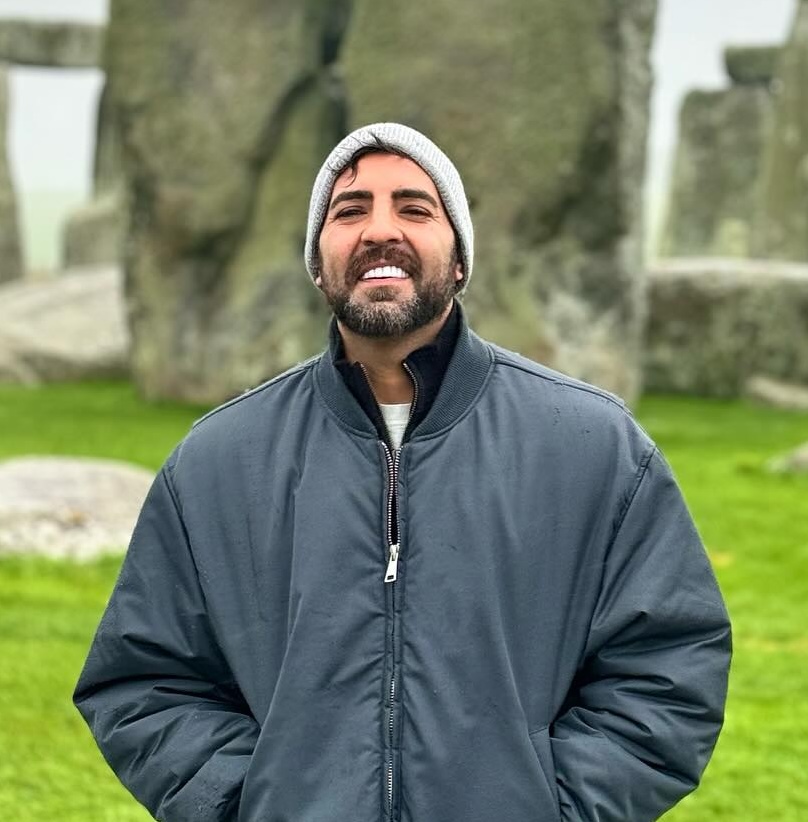
Author of The Addict
Richard Galvan overcame early alcohol use, heroin addiction, homelessness, and arrests to achieve sobriety at 22 via Prop 36 rehab—now 21 years clean.
Former owner of Casablanca Outpatient and Essence Healthcare, he sold due to ethical issues and moved to Barcelona from LA.
Today, he promotes his book The Addict, runs a 12-step sobriety program, and advocates recovery through AA, speaking, and social media.