


Judge Katrina Griffith, Harris County CPS Court: Who Gets Their Kids Back?


Judge Katrina Griffith grew up wanting to be a lawyer, encouraged by her mother during arguments with her older brother in "mom's court." As a teenager, she saw the juvenile system affect family members.
After college, she entered the University of Houston Law School focusing on juvenile criminal defense. In her 2L year, she joined the juvenile defense clinic. In her final semester, she took Professor Ellen Marrus’ child dependency clinic and shifted to CPS and child welfare law.
After graduation, she opened a law firm with her best friend, taking immediate CPS appointments while building the practice. It grew rapidly as she represented both children and parents for balance, working in the field over 20 years.
In 2014, Judge Olen Underwood appointed her as the first judge of Harris County's Child Protection Court. She handled 100% CPS cases, where over 80% involved parental substance abuse such as mothers testing positive at birth or weekend drug use leading to neglect. She oversaw removals, placements (prioritizing relatives and siblings), and services like treatment, distinguishing between abstinence and true sobriety to ensure parents had tools for ongoing recovery.
In 2025, Governor Abbott appointed her to the Texas Family Protective Services Council to review CPS policies. She openly discusses her family's hereditary addiction history with her 18- and 20-year-old children.
GUEST
Judge Katrina Griffith
Harris County CPS Impact Court Judge
Judge Katrina Griffith is currently the Associate Judge for the CPS Impact Court in Harris County. Prior to becoming an Associate Judge, she was a Family Law Attorney and is the Managing Partner of The Griffith Law Firm PLLC. The Houston based firm focuses on children's rights, family law, STAR family intervention court (drug court) and SOAR (juvenile drug court). She represented clients in divorce cases, child custody matters, modifications/enforcements, adoptions, children's protective services and juvenile law cases.
Connect with Judge Griffith on LinkedIn
Matt Handy is the founder of Harmony Grove Behavioral Health in Houston, Texas, where their mission is to provide compassionate, evidence-based care for anyone facing addiction, mental health challenges, and co-occurring disorders.
Find out more at harmonygrovebh.com
My Last Relapse explores what everyone is thinking but no one is saying about addiction and recovery through conversations with those whose lives have changed.
For anyone disillusioned with traditional recovery and feeling left out, misunderstood, or weighed down by unrealistic expectations, this podcast looks ahead—rejecting the lies and dogma that keep people from imagining life without using.
Got a question for us? Leave us a message or voicemail at mylastrelapse.com
Find us on YouTube @MyLastRelapse and follow Matt on Instagram @matthew.handy.17
About Harmony Grove Behavioral Health
Harmony Grove delivers outpatient addiction and mental health treatment focused on wellness, creativity, and authentic human connection—providing a supportive space for healing that extends beyond traditional clinical care.
Harmony Grove’s IOP in Houston, Texas, is more than a program; it’s a lifeline for those ready to take the next step in their recovery. We are ready to meet you where you are and find your unique path to change.
If you’re feeling overwhelmed or struggling, you don’t have to face it alone. Reaching out for support is a sign of strength, and help is always available. If you or anyone you know needs help, give us a call 24 hours a day at 844-430-3060.
Host: Matthew Handy
Producer: Eva Sheie
Assistant Producers: Mary Ellen Clarkson & Hannah Burkhart
Engineering: Chris Mann
Theme music: Survive The Tide, Machina Aeon
Cover Art: DMARK
My Last Relapse is a production of Kind Creative: kindcreative.com
Matt Handy (00:00:03):
I am Matt Handy, and you're listening to My Last Relapse. Okay, we're on.
Judge Griffith (00:00:08):
We're on. Okay.
Matt Handy (00:00:10):
Yeah. Nice to meet you.
Judge Griffith (00:00:11):
Nice to meet you.
Matt Handy (00:00:11):
I'm really grateful for you to come on. So Judge Griffith, right?
Judge Griffith (00:00:17):
Yes.
Matt Handy (00:00:17):
Okay. So you were appointed by Governor Abbott to do something specific, right?
Judge Griffith (00:00:25):
Yes. Earlier this year I was appointed to be on the Texas Family Protective Services Council by Governor Abbott. That's just a council. It's a public council, and we hear from CPS and they tell us about their new policies and different things that they're doing, and we're able to ask questions and inquire questions like the public would want to know or just it's a thought based council. And so that is just something that I do for that. But my primary job, I was appointed by Judge Olin Underwood back in 2014 to be the judge of the Child Protection Court in Harris County was the first child protection court in Harris County.
Matt Handy (00:01:08):
Okay, cool. So do you have to get elected?
Judge Griffith (00:01:13):
I'm not. I'm a hundred percent appointed. I was originally appointed by Judge Owen Underwood and then subsequently, so all the counties fall into different regions. And then several years ago, Harris County was moved into a new region that was Region 11, and then Governor Abbott appointed Judge Susan Brown for that. And then Judge Susan Brown has been renewing my appointments.
Matt Handy (00:01:36):
Okay, cool, cool, cool. I think
Judge Griffith (00:01:38):
I'm on my third appointment.
Matt Handy (00:01:40):
How long do the appointments last?
Judge Griffith (00:01:41):
Four years.
Matt Handy (00:01:42):
Oh, wow. It's
Judge Griffith (00:01:42):
The same term as the elections, but I just don't have to go through the
Matt Handy (00:01:47):
Election cycle. Cycle. Right. Yeah, yeah.
Judge Griffith (00:01:48):
The campaigning and everything just get to really focus on the job and not that other portion.
Matt Handy (00:01:53):
That's awesome. So mostly you're dealing with CPS involved people and family courts.
Judge Griffith (00:02:00):
So not even mostly that's a hundred percent what I do.
Matt Handy (00:02:02):
Okay.
Judge Griffith (00:02:03):
If the case does not involve CPS in any way, I do not hear it.
Matt Handy (00:02:06):
Okay. Do you find that a lot of the CPS involved people have substance use issues?
Judge Griffith (00:02:14):
Yes. It's not every single one, but I mean, you're hitting 80, 85 plus percent of cases are going to involve some sort of substance abuse.
Matt Handy (00:02:23):
Okay. Typically, what is the earliest age that you see kids are getting involved in this?
Judge Griffith (00:02:32):
So the CPS, if you're talking about just for substance abuse removal or just CPS removal,
Matt Handy (00:02:36):
I guess both. But then, yeah, the substance abuse as well.
Judge Griffith (00:02:39):
So it will vary, but a lot of times it's going to be women that are testing positive at birth, and so those don't always result in removals though there's several different layers and stages of CPS cases. So everything starts off with an investigation. CPS is only going to remove if there's an ongoing continuing danger safety, welfare of the child in the home. So if there is an alternative, maybe there's a relative the child can go with. So the mom can work services, they maybe they'll do what they call family-based safety services. There's alternative responses. There's several different things CPS can do before they get to the point of actually removing a child and they try to do the least
Matt Handy (00:03:20):
Interference.
Judge Griffith (00:03:20):
Interference or the least trauma because anytime a child's removed from a home infant or older, there's going to be a trauma. There's a break in a bond, there's the inability to bond. So CPS does work hard to keep families together before we even get there. But you'll see, so when we're talking about coming into the court system, if there's not a safe way for that mom, or this might be the mom's third, fourth, fifth positive child, those are the ones, those kids will come in as infants, and then sometimes you'll have the infant and then there's other kids in the home and then all the siblings will be removed, and then you have the older kids come in as well.
Matt Handy (00:03:57):
Are you trying to keep the siblings together?
Judge Griffith (00:04:00):
The goal is always to try to keep the siblings together when possible and when safe, unfortunately, just kind of the way our system is set up. If you have a large sibling group coming in, six kids, five kids, even three is considered large. There's a massive age range. Some foster homes, they only take zero to three. Some foster homes only take females, and then we have, if you get above, I think it's like six now, some of these rules have been changing. If you get above six, they're considered group homes. And if you have a group home, then there's different rules that come in place with it. And you have that 24 hour awake staff in your home. So you have your home, you're a foster parent, but you have to have somebody awake all the time. So there's lots of different rules that makes it really hard to keep siblings together.
(00:04:43):
You typically won't see. So there are times when maybe a mom has a 12-year-old and then a couple kids in between, and then they have the newborn test positive, they all come into care. It's hard to get that newborn and that 12-year-old put together because there's some foster homes, they just focus on the babies. And some foster homes want the kids school age, so they're not having to worry about daycare and waking up in the middle of the night. And so it's hard to keep sibling groups together, but the focus is always to try to keep 'em together. That's why we really try to get relatives so we can get the kids placed with relatives, keep 'em together. If maybe grandma can't take all four kids, but she can take two, and then the aunt that lives across the street can take the other ones and they're in the family, they're seeing each other. That's really what the goal is to keep that family unit together.
Matt Handy (00:05:24):
So how'd you get into this?
Judge Griffith (00:05:26):
So it really, professor Ellen Miller Meris at the University of Houston is how I got into this. I went to law school. I wanted to be a criminal defense attorney. That was my focus going into law school. That's what I wanted to do.
Matt Handy (00:05:39):
Why?
Judge Griffith (00:05:40):
When I was growing up, just some different things I saw with the juvenile system and how it kind of affected my family and just different things with that. And I really gravitated to that from a very young age. I wanted to be a lawyer. My mom embedded that in my head. I love to argue. I would not quit until my point was made and everybody relented that I was right, even when they knew me. Sometimes I probably wasn't. But that was just kind of my personality growing up.
(00:06:09):
And so mom always said, you're going to be a lawyer. You need to be a lawyer. You should be a lawyer when you grow up. I have an older brother we used to fight and she would hold mom's court. And so we'd sit there and she'd be the judge and we'd sit there and go back and forth together. Just really put that into me from a very young age. So that was my goal, going all the way through high school, college, straight from college into law school. So my focus was going to be the juvenile criminal system because that's what had impact on me when I was a teenager from some family members. And so I went in law school back then we had clinics and they volunteered. You didn't have to do them. And so I went in, I did the Juvenile defense clinic,
(00:06:53):
And I did that for one year, and that was near my two year year of law school. And then after that, there was no other clinic like that, so this kind of was over, but Professor Meris said she's going to do this child dependency clinic. Would you asked me if I would be interested. I had done the other classes, and I was like, yeah, why not? I mean, I didn't really have an interest in it, had never thought about it. And so I did that my last semester of law school and I completely fell in love with that area of law the way in Harris County to get appointments for juvenile defense work, you had a practice for three years before you can get on the wheel. So when I came out and just opened up my own law firm with my best friend ante, we're like, well, we'll start with the CCPs side with it. We can get those appointments immediately. And we just built up the practice so fast and so big that when it came time for us to be eligible to start taking juvenile appointments, we were fully ingrained in the CCPs world. And that's
(00:07:44):
Where I just continued forward from there. Just representing kids. I also represent a lot of parents as well. I think you have to have that balance in perspective if you just represent the parents and sometimes you fail to see what the kids' needs are. And then if you just represent the kids and you don't really see what the parents struggle with all trying to get their kids back and making sure they get everything done.
Matt Handy (00:08:03):
So multifaceted and fully understanding the situation and the family's dynamic as far as it's interacting with the courts and stuff.
Judge Griffith (00:08:12):
Yes, exactly.
Matt Handy (00:08:13):
Okay. How was law school?
Judge Griffith (00:08:17):
Law school law school's tough. It's funny because actually I'm not a big reader. I don't like to read you. Oh, perfect. Won't see me sit down and just pop up in a book and read for pleasure. And then I go to this, choose this career that has a lot of reading in it. Law school is a ton of reading every single class. You have to be prepared, know your cases. But I was doing something that I was passionate about. I knew this is where I wanted to be. And then once I got into the clinics, the passion for law just kept continuing to build.
(00:08:50):
I also did something called mock trials, so I really wanted to be a litigator. And that's part of it being the criminal world is a lot of litigation. And so I did mock trials starting from my one L year all the way on to, so I did stuff that kept my mind active and going. And so it wasn't just focused on book study, book study, book study. I was doing other stuff that was real practical as
Matt Handy (00:09:11):
Well. Yeah, my dad graduated law school. I was 12, and so I watched him and by the time he graduated, he had eight kids.
Judge Griffith (00:09:21):
Oh, wow.
Matt Handy (00:09:22):
Yeah. Or six kids. Oh, it was a lot of kids. Six or eight. It was something like that. Actually. It had to have been
Judge Griffith (00:09:27):
Six kids is not a lot.
Matt Handy (00:09:28):
Yeah, well,
Judge Griffith (00:09:30):
Somebody that has had six kids.
Matt Handy (00:09:32):
Oh, really?
Judge Griffith (00:09:33):
Yes.
Matt Handy (00:09:33):
Oh, that's amazing. Yeah, my parents have 10 kids.
Judge Griffith (00:09:36):
Oh, wow.
Matt Handy (00:09:36):
I'm the oldest of 10 kids.
Judge Griffith (00:09:37):
You're the oldest. You're on that top of that pecking order. How's that?
Matt Handy (00:09:41):
I completely failed in my obligations as the oldest, I would say I was a really good example of what not to do.
Judge Griffith (00:09:48):
What not do. But that's also an important though, right?
Matt Handy (00:09:51):
Yeah. Yeah. I mean, they all did really well. So
Judge Griffith (00:09:55):
You just followed your not steps.
Matt Handy (00:09:57):
Yeah,
Judge Griffith (00:09:57):
Don't do that.
Matt Handy (00:09:59):
Yeah. So yeah, by the time he graduated, I mean, I watched him, so it was California, so California bar studying the whole nine, and then he got into civil prosecution and he ended up becoming a really, really, well, he won California lawyer a bunch of years in a row and argued in front of the ninth Circuit a bunch of times and did a bunch of really cool stuff around the A DA and got some laws changed and stuff. So it was really cool to watch all that, but I wouldn't have wanted to do it. Right. And my whole thing growing up was like, I'm going to be a lawyer. I'm going to join the family law firm. And then I caught my first felony at 16 and I could see the doors, the gates in my future shut in my face. I was like, I can't go to law school anymore, so what am I going to do? And from there, it was just spiraled down really quickly
Judge Griffith (00:10:58):
From there. So that's also, I'm from California.
Matt Handy (00:11:01):
What part?
Judge Griffith (00:11:01):
The Bay Area.
Matt Handy (00:11:02):
Okay.
Judge Griffith (00:11:02):
Went to Santa Clara High School. So that's kind of what I'm seeing when you, even as a young teenager, I was going and visiting a family member in the juvenile system, just see this world and it's like something has to be better than this. We have to do better for our teenagers. Because what you do when your brain is absolutely not fully developed and you're not fully thinking and you're getting caught up in all the societal pressures, that's not who you're going to become.
(00:11:30):
But like you said at 16, you felt like the walls are caving in and over, but you're only 16 and you have a whole lifetime in front of you. So how can we have a system that's going to be better to tell you that, Hey, this is you at 16, but we need to look, let's look 10 years down the road and we don't have to be and stay there. And how can we make that system better? So people like what you're feeling was, doesn't feel like they're been out, be put in this box forever because of the mistake that they made as a teenager.
Matt Handy (00:11:55):
So I have a unique journey in that as well, because I don't feel like a lot of, so I've done a lot of prison time and I've done a lot of time with people who started doing prison time as a teenager, and then it just continued on into their adulthood. And one of the major adverse effects of locking kids up at such a young age is they get very acclimated to it really, really quickly. And so my experience with high level gang members in prison is they all started in juvenile situations. Very rarely do you see somebody who came into prison as an adult for the first time, and then they operate on a high level in prison. It's always people that go in as juveniles and then evolve into that criminal mentality. So California's juvenile system with the whole CYA and the way that was, it's gone now, but that really was, they called it training school that really set up kids for the
Judge Griffith (00:12:56):
Adult criminal life.
Matt Handy (00:12:56):
So yeah, I feel like there's a lot of similarities as far as what is promised and then what's actually delivered in the most juvenile systems and the substance abuse world too. We promised that we're going to do all this stuff and upfront, and I don't know if it's a funding thing where it's like we have to check off boxes and we have to say certain things in order to justify expenditure and all that stuff. But what's really going, so California changed from the CDC to the CDCR. Do you remember this?
Judge Griffith (00:13:30):
I know I've been to some presentations where they talked about the changes and when that philosophy really started changing from incarceration, rehabilitation, even though it was always supposed to be rehabilitation, it was very incarcerated focused.
Matt Handy (00:13:41):
So I was locked up and sent to prison. I went to prison for the first time in 2009, and this is really when the R got implemented. And from the prisoner's perspective, all it did was get more funding. The system didn't change, didn't change. And so we're all sitting back going like, okay, it got harder for us to go to school. There was no more drug. There was SAP programs, SAT programs, substance abuse programs, and it was way harder to get into 'em because now they're creating yards for substance abuse programs. And in order to get there, you have to qualify and it's like,
Judge Griffith (00:14:22):
And there's all these things excluding you, right? It's not trying to include you because everybody needs it.
Matt Handy (00:14:28):
And the thing is, I don't know what the statistics are on people that are going into prison and what the abuse rate is, but everybody that I knew, everybody that I was associating with, every single person had substance abuse issues that was going into prison. Whether that was the main problem or not, it's kind of irrelevant. They were all using drugs. And so I started using hard drugs. I was a juvenile. I smoked weed on my 13th birthday. Within a month I had tried coke and then was smoking coke before I was 16, was slamming heroin by the time I was 17. And it was everybody that there was heroin dealers going to my high school. And this was a little bit different. I feel like exposure to drugs is happening older today, but also younger. Do you get what I'm saying?
Judge Griffith (00:15:24):
Yes.
Matt Handy (00:15:24):
Okay. So another thing that's also happening is this generation alpha, they're two to 12 right now. They're making major commitments to celibacy and sobriety and stuff like that. They're sober high schools.
Judge Griffith (00:15:41):
That wasn't something
Matt Handy (00:15:42):
No. That
Judge Griffith (00:15:43):
Was never even heard of.
Matt Handy (00:15:44):
No. And in my head I'm like, okay, sober high school, they don't drink at school. There was people doing drugs and drinking at school.
Judge Griffith (00:15:51):
At school, which there is now too. That hasn't changed.
Matt Handy (00:15:55):
And so in my head I'm like, what? They just don't drink at school? They're like, no, no, no. These kids are, they have high accountability outside of school. They don't drink, they don't use drugs, they don't do any of this stuff in high school. They're conscientious about this stuff. And I'm like, how are they learning this stuff? Because these kids, my generation is having, they're this kid's parents and my generation is so fucked up. We're all doing drugs. Nobody stays married anymore. There are no nuclear family. I mean, it's a rare thing they're out there, but it's rare.
Judge Griffith (00:16:28):
It's not even just not staying married. They're not even getting married. They're just like, no, we've been together. We have five kids, been together 15, 20 years. It's just a different philosophy.
Matt Handy (00:16:36):
And that's on the really low end of Happenstances where they're just not getting married. Most of it is like, well, hookup culture, they get pregnant and they're not even together. And so now you've got these situations where kids are being raised in single parent homes, which I have nothing against single parent homes, but the government tracks outcomes and statistics around this stuff. And I read a study a couple months ago that said it is better for a child to have both biological parents in the home where they're being abused physically than to be raised in a single home. Parent outcomes are better for that kid
Judge Griffith (00:17:14):
Really.
Matt Handy (00:17:18):
And they've been tracking this stuff since the forties. And so with stuff we know this stuff's out there. We know that they understand the situation. But as my generation, and it scares me about to take over the country, we're going to be calling the shots here soon. It's like I'm scared for our future of my generation. But then you've got these kids that are being raised by this generation and it's like they're making all of these decisions way earlier than I was never thinking about sobriety. I was never thinking about being chased or anything like that. I was thinking about the complete opposite. I was trying to do drugs and hook up with girls as early as possible.
Judge Griffith (00:18:02):
And the assumption too, right. So I'm assumed based on what your dad was doing, you were in a more affluent high school.
Matt Handy (00:18:08):
No,
Judge Griffith (00:18:08):
You weren't.
Matt Handy (00:18:09):
No, no, no, no, no. So we were dirt poor in the ghettos of San Diego. He was just grinding. And we had a ton of kids too. And so
Judge Griffith (00:18:19):
That makes a big difference.
Matt Handy (00:18:21):
Now I have a really well put together family and extended family, but they just hadn't made it right. They were just trying to get there. My dad is also the oldest of his siblings, and so they were all teenagers. Their parents had just been divorced. So my grandparents got divorced I think three years before I was born. And so the family was just falling apart and it was just a mess. So yeah, I went to John Adams, I went to John Adams, Alice Bernie. I went to really not affluent schools. Yeah,
Judge Griffith (00:18:56):
That was an assumption that I made that was wrong.
Matt Handy (00:18:58):
I mean, it's a good assumption though. A lot of kids that are being raised in an affluent situation go to affluent schools, but we just weren't there. My dad grinded to get out of there.
Judge Griffith (00:19:10):
To get out of there.
Matt Handy (00:19:13):
And that was all my friends too. There was a kid in my first grade, he had a nickname and they called him Bud because he would smoke weed and he was like seven.
Judge Griffith (00:19:26):
That's the stuff I can't imagine. That's the stuff that we would, I don't want to say I can't imagine that, but because the stuff that we do see in my world, that's not acceptable. And that's get your CPS case and get that involvement and then change things.
Matt Handy (00:19:39):
And this is also in the nineties, So things were really different. Yeah, I mean, even the way that kids are disciplined is massively different today than it was. Oh, absolutely. If my parents disciplined us today, the way that they did back then, they would've been CPS involved, but it wasn't abusive back then. The way that things are being defined has changed. And I don't know if it's better for kids or not. I just had a baby last week.
Judge Griffith (00:20:07):
Congratulations.
Matt Handy (00:20:08):
Thank you, thank you, thank you. And we have a 4-year-old. And our four year-old's amazing. And hopefully the other one will be too, but it's like we can't spank our kids anymore. But I don't like thinking about my child. And it's like how would they have controlled this if they didn't spank us? How do you do that?
Judge Griffith (00:20:27):
So it's a matter of changing your mindset as well. And I also said there is a difference between physical discipline and physical abuse
Matt Handy (00:20:36):
For sure.
Judge Griffith (00:20:37):
But there's a fine line,
Matt Handy (00:20:38):
Very fine.
Judge Griffith (00:20:39):
And there's some people that will cross that line very quickly, and there's some people that will never get up to that line. Kid goes to touch fire and their hand's right there and they plop 'em on the hand and then life keeps on moving. And would we call that physical abuse? That's physical discipline. Is it appropriate or not appropriate? I mean, I think that's a debate that's still going on because I also think a lot of people say this new generation, they just don't have the discipline that the other generations have because we're changing things in philosophy and it's a cycle that's going to have to completely go through. Can we discipline just through our words and our actions and being firm? And if I say stop doing, then I remove you from the situation. Can we instill that type of parenting, the gentle parenting, I think is what they call it now, to be honest. I don't know if we know what's going to work. It's one of those things that's going to go through this generation and we'll look back and say, okay, a gentle parenting worked for this generation. We'll go back and say, yeah, maybe gentle parenting wasn't it?
(00:21:37):
I think just as a society, it's like bell bottoms. They came back and then they're going to go back out of style and it's going to come back. And I think the same thing with kind of parenting and culture norms. And I think that just our society just constantly evolves. We are a lot more on social media, so we see stuff coming from other cultures as well, and we try to bring it in. And that melting pot, right? Melting pot of a lot of different cultures and we try to work within it. And I think that's kind of how parenting is going to go as well. It's just going to ebb and flow, but we always have that line that we can't cross. If you choose to physically discipline your children, you have to know there's a line. And when you cross that line, then that's where my world steps in can step in and then help teach you different ways to do it.
Matt Handy (00:22:23):
So it's obviously a subjective line, it's very interpreted on an individual basis based on circumstances I am assuming. But there is no nothing that you can point to say this is where that line is.
Judge Griffith (00:22:38):
I think it's one of those things that line, when you see that line. When you see that kid come in and they have welt marks and they
Matt Handy (00:22:46):
Okay.
Judge Griffith (00:22:46):
Have belt marks and they have the black eye because the mom got mad and just punched her daughter in the eye. I think we can all agree as a society that's not, there's no discipline in that. And so we can say it's subjective, but I think it's also very clear there's different type of cases when we talk about some medical cases, cases with babies and abuse, and people can have some different opinions and doctors can come and testify about different things with that. And that might be a little bit more difficult to determine, but I think you'll see a clear line on abuse a lot of times.
Matt Handy (00:23:19):
For sure. Yeah.
Judge Griffith (00:23:21):
Neglect is actually one of the areas where people can say there probably is a little bit more subjective, right?
Matt Handy (00:23:26):
Oh yeah.
Judge Griffith (00:23:27):
And that's a lot of time when we see with the drugs.
Matt Handy (00:23:32):
I was going to say that
Judge Griffith (00:23:33):
To come into the neglect cases. So then it is, you have that mom that maybe she drops her kids off at the grandma's house on Friday and she gets hides, does cocaine Friday, Saturday, Sunday, sobers up, picks up her kids on Monday. Those kids are in school Monday through Friday. They're doing great. They're rocking and rolling and there's no issues. The house is clean. She goes to work every single day, but she uses drugs on the weekend. Those moms do exist. I've seen them in the system. You look at those kids, the mom that I'm speaking of, her kids were on the honor roll. She was actually the team, not the team with the room, mom at school, the room mom at school. So she's very involved in her kids' education. They all had perfect attendance. She's cocaine every single weekend. Her cocaine levels were over 20,000.
Matt Handy (00:24:25):
Wow.
Judge Griffith (00:24:26):
So it was high. Her kids were well taken care of. And so that's why I can say that you do have some subjectiveness when it comes to that. But we also, I think we can agree a parent using cocaine and parenting, how effective of a parent are, how capable are you to keep your kids safe if you're using it while parenting.
Matt Handy (00:24:47):
She sounds effective. Obviously the kids aren't there while she's using, but
Judge Griffith (00:24:51):
It's your big area right there.
Matt Handy (00:24:53):
Yeah. The major problem that I've seen, I was homeless with people having kids, homeless. Homeless. And it was a mess. And kids living in a tent under a bridge in San Diego and me and my wife, we were homeless together and we both got clean and now we're doing the good things, but we were always like, how did they have their kids? Still, it's like, we're not going to call the cops. Looking back on it now, it was like, maybe we should have, I don't know. But it's like how do they still have their kids? How are these kids going to school?
Judge Griffith (00:25:32):
Well, let me ask you, were they going to school?
Matt Handy (00:25:34):
I don't know.
Judge Griffith (00:25:34):
Were they fed? I mean, you don't know that.
Matt Handy (00:25:37):
Yeah, they were definitely fed.
Judge Griffith (00:25:38):
Were they keeping their kids clean and they're fed and they're going to school? Then you run into that line of are we removing kids cuz they're impoverished?
Matt Handy (00:25:48):
They were also really strung out on drugs and they were sitting in circles of adults doing drugs too.
Judge Griffith (00:25:55):
Doing drugs. So then I would say, yeah, to me that's neglect and psychological abuse. And that's a situation that we should be removing kids from
Matt Handy (00:26:06):
For sure.
Judge Griffith (00:26:06):
And then getting those parents help, because we also know keeping kids in the family, not always, but most of the time it is better for that child. So how can we get the kids in a safe situation where we can get the parents into treatment and not just, I always say there's a huge difference between abstaining from drugs and sobriety.
Matt Handy (00:26:28):
Oh yeah.
Judge Griffith (00:26:29):
And I know you know that, but in my world, I see this and ask the questions if you're, oh, I've been clean for six months, what's your sobriety date? I don't know. There's just certain things that I know. No, you're abstaining from drugs. Oh, the day CPS stopped, took my kids, I stopped using. Okay, so what happens when your kids get back? If you don't have the tools and the resource in a sober community and you don't have everything that you need to continue to be a sober parent for yourself, then we're going to continue to have the problem. And that's really where our system needs to start meeting up with what our kids need as well that are within the system.
Matt Handy (00:27:07):
So this actually gets into some my question around that. What you're talking about right now is how many of these people are actually addicts, though? I think a lot of people make the, it's like a fallacy where they say if they're doing drugs and they have an adverse whatever, anything that they're an addict. And I would venture to say that the 12 step programs when it was first created almost a hundred years ago now, yeah, it had almost a hundred percent efficacy rate. People would enter AA and almost a hundred percent of the time got cleaned forever. And now people are being sent into these situations as a preventative measure instead of the last resort, which was ultimately what it was created for was alcoholics that had no other answer. And so now you've got 19 year olds, 18 year olds, 17 year olds, the mom that whatever it was, she ended up testing dirty or somebody called and she ended up smoking weed on the weekends or whatever.
(00:28:13):
And now this person's going through the system and they're being labeled as something that maybe they don't deserve that label. And then one thing that I've seen is that people will get sent into these situations as a preventative measure, and they don't fit into that criteria as the book says, right? They don't fit into that box of addict or alcoholic, but they have these consequences over their head. And so now they use, and now they've kind of been indoctrinated, or they have these consequences where they're going, okay, I have to stop. And they start what looks like a relapse cycle where they use and then stop and then use and then stop and then use and stop. And then everybody can point at it and be like, oh, this person's an addict, right? Because they've started this use and abuse cycle that would be indicative of addiction, but it doesn't necessarily point to addiction when you look at the criteria for what is an addict or an alcoholic. So my whole thing around this is I get why people were sent there to begin with because ultimately you get sent into this situation. There's something wrong if you're getting sent to meetings, if you're going to get services from something happened. But some of these people, and I see them all the time where it's like you and I can't qualify anybody as an addict or alcoholic, but they're convinced they're not an alcoholic. I'm pretty convinced they're not an alcoholic, but they have to still participate.
(00:29:44):
And so how do we get into a situation where we're offering services? And really a lot of it is education. How are we servicing these people correctly so that they are not put into this box? So I have a friend, she was going through a divorce and her divorce attorney was like, I know how you can win a hundred percent custody. You drink your husband drinks, go to a rehab and start going to AA and you'll win full custody. And so she started going and got full custody. The whole, it all worked, but then she was indoctrinated around that program and then nine years later she was like, you know what? I am not an alcoholic. And then she started drinking again and she's been drinking for four years and she wasn't an alcoholic. That happens, I think more often than we realize, because from my point of view, if you're coming to me, there's a problem. And we're going to always super suggest that you just don't use again because ultimately it's life's better without substances. Doesn't matter if you're drinking on the weekend or you have a sip every now and then or whatever. It's like you're opening yourself up to adverse all kinds of stuff like DUIs, problems at work, whatever problems at home. Everybody's life's better without substances, but it doesn't necessarily mean that everybody has substance issues.
Judge Griffith (00:31:14):
That's correct.
Matt Handy (00:31:15):
And so how many people do you see where you would say that's kind of the issue is they just got in trouble, but now they're being labeled?
Judge Griffith (00:31:25):
I don't think I can really quantify that, but I hear what you're saying. And I can say, been doing this for over 20 years, and my perspective on that has changed over the 20 years. I've had parents that come in and kind of challenge that notion like, I'm not an addict. If I have a drink on the weekend, I am not an addict. And that's where, as a judge,
Matt Handy (00:31:46):
Where did you start in your opinions and where are you at now?
Judge Griffith (00:31:49):
So I think pretty much when I started, if you are testing positive and you have a CPS case, then clearly you have to be an addict. Because who wouldn't stop using just because you're involved in CPS, but then you got to start looking at what's the different situations that are coming in. Maybe this was a dad that didn't have custody of his kids every single, he only had 'em on the weekends, and so he was doing his lives. And there's a lot of different circumstances that come into that. And that's also from our standpoint, that's why we have to have the professionals. I truly believe addiction is a disease. And there's some people that have the disease and some people that don't have the disease. It's also hereditary. And you see it come generation after generation after generation, and you can break that cycle by talking about it and also by acknowledging it. Addiction runs in my family. It's something that I'm open with. I have a 20-year-old and an 18-year-old, and we have had those conversations since they were young about addiction. And it's not just drugs and alcohol. If you have the disease of addiction in your family, it can come in alt shopping,
Matt Handy (00:33:00):
Eating, sex, gambling,
Judge Griffith (00:33:02):
Sex gambling. It can come video games.
Matt Handy (00:33:06):
That's a big one right now.
Judge Griffith (00:33:07):
Right. That's huge. And even for me, I play Yahtzee. I play,
Matt Handy (00:33:13):
I love the Yahtzee
Judge Griffith (00:33:14):
Way too much though. My husband's like, you're playing it again.
Matt Handy (00:33:16):
Do you play 10,000?
Judge Griffith (00:33:18):
No, I just play Yahtzees for buddies. Yahtzze with buddies, I think is what it's called.
Matt Handy (00:33:22):
There's another DICE game called 10,000. It's like Yahtzze on steroids.
Judge Griffith (00:33:28):
Is it really? Because that's what I need something else in my life on steroids. No, I'm just joking. But no, actually I will try it out because
Matt Handy (00:33:36):
10,000.
Judge Griffith (00:33:36):
Yeah, 10,000, I will look at it.
Matt Handy (00:33:38):
It isn't Yahtzee. It's just 10,000.
Judge Griffith (00:33:40):
Oh, it's just 10,000. Yeah. Okay. I'll put it in my play store and see.
Matt Handy (00:33:43):
I cut you off. I am so bad about,
Judge Griffith (00:33:46):
Yeah, that's conversation though. Tamisha and I were talking the other day, and this is probably every conversation we have, we literally have about six, seven conversations and one 20 minute interaction, and we bounce in between all six of 'em. My husband was in the room with us one day and we were having our conversation over lunch, and then I left and he was sitting there with Tamisha. He's like, I don't know what just happened. What did you guys just do? He's like, he's like, you guys had six conversations. I couldn't keep up with anything you guys are saying, but you guys clearly understood everything you guys were talking about. And I'm like, it's just what we do all the time. So I'm good with that.
Matt Handy (00:34:19):
Yeah, I mean, addiction is, the face of addiction has changed dramatically in the last five years, and the landscape of addiction has changed with the introduction of fentanyl and the privatization of the treatment situation has also done a lot of damage. I think it was unintentional. A lot of people get into the treatment industry with good intentions, but do you know what the Recovery Research Institute is?
Judge Griffith (00:34:49):
I've heard of it.
Matt Handy (00:34:49):
Okay. So they've done, I mean, metadata studies analysis, they've ran a bunch of studies around a bunch of outcomes driven studies. And one of the things that they point to is that the privatization of the treatment industry, and that's another thing, is in the nonprofit space of the addiction industry, they don't even call it the addiction industry or the recovery industry. It's the field of addiction. And so just the words in and of itself signifies something very different. And so the treatment industry, that's what I'm involved in. And I look at all this stuff and I'm we're claimed to be in the business of saving lives. You hear it all the time. We're in the business of saving lives. And something that I've learned is that we're not in the business of saving lives. We're in the business of saving lives that can pay for treatment,
Judge Griffith (00:35:42):
That pay for treatment. And then it's starting to be justified too, because okay, we have to do this the only way that we can keep viable, and we got to keep the money coming in and keep the money coming, and we got to keep doing this. And then that's how we get to less treatment. How many treatment we're Harris County Houston? How many inpatient women treatment facilities do we have right now?
Matt Handy (00:36:04):
Only one.
Judge Griffith (00:36:05):
One.
Matt Handy (00:36:05):
Yeah.
Judge Griffith (00:36:05):
Right. When I first started 20 years ago, I was four.
Matt Handy (00:36:11):
And they just slowly kept getting shut down, shut down, shut down.
Judge Griffith (00:36:15):
And guess what? The need hasn't gone away.
Matt Handy (00:36:19):
No,
Judge Griffith (00:36:20):
Right. No, it's gotten worse. It's gotten worse. And can we point to, we have less treatment facilities to do treatment at, and then it's gotten worse and we have nowhere to go and we can't do treatment. There's no room in this treatment facility. So then when they go, they go to jail, and what are we going to get in jail? And we're just going to continue to fall down the negative cycle and it's, we're not doing anything to help. What needs to be helped with even starting from the younger age? Right now, it's the vapes, and it's not just nicotine vapes, it's the THC vapes and it's completely infiltrated our schools, and I can't just say it's high school, it's our junior highs, it's our middle schools.
Matt Handy (00:37:05):
The vapes is a big thing, but another big, I mean, we're my, do you know who Dr. Shah is?
Judge Griffith (00:37:11):
I don't.
Matt Handy (00:37:11):
Okay. So we do live specials every Tuesday, and we just did one on Kratom and we went down the rabbit hole on Kratom
Judge Griffith (00:37:19):
Yes.
Matt Handy (00:37:21):
How dangerous Kratom ends up being and what crem addiction looks like, withdrawal looks like, how it's a real gateway drug to a lot of other stuff. And he told me, he was like, when he was researching this stuff, he found out that there's kids that are Kratom dealers, they're selling Kratom to other kids. It's like, what? And so it's funny because when I was in high school, there was real kids dealing heroin at our school. There was also a daycare for students that had kids. And so the situation back, and now you've got sober high schools where they're committing to celibacy and being chased until they're married and stuff like that. And then it isn't like, sounds like a very Christian structured, almost belief system, but it's like, Nope, that's not what's good. These kids are just looking at my, I think this is what's going on. They're looking at my generation and going, these people are fucked up. We don't want to be anything like them. And so how do we not do that? It's like, oh, you take away the drugs and the hookup culture and shit seems to straighten itself out, but it's like everything is so at the tip of your fingertips right now. Anything that you want, I don't have to go to the grocery store anymore. I can order everything in my front door, order everything.
Judge Griffith (00:38:40):
It's delivered right there. And same thing as drugs. They'll put 'em in your boom box.
Matt Handy (00:38:44):
Oh yeah.
Judge Griffith (00:38:45):
Right?
Matt Handy (00:38:45):
Oh yeah.
Judge Griffith (00:38:46):
Parents don't realize that. I don't know where they're getting it. I said, they're being dropped off. What you think that was Uber Eats that just came to your house? It wasn't. So yeah, everything's accessible now.
Matt Handy (00:38:58):
Yeah, it's amazing.
Judge Griffith (00:39:01):
And the creativity of the way that they hide it right now too. Everything is the new packaging.
Matt Handy (00:39:10):
We literally talked about this,
Judge Griffith (00:39:11):
Right? It's like, oh, you think your child's just eating gummy worms right now? And a lot of parents aren't really educated on that. I will say, my kids probably say, tell me we're not one of your clients. I heard that from my older ones all the time because I'm like, Hey, I see different things than other people see. And because of that, we do things different than other people do. Roblox kids do not touch that. My younger ones, my older ones, I mean, they're 18, 21, but my younger ones, and they don't understand it because all their friends are on it and all their friends are doing it. And I'm like, there's just certain things that you would just not be able to do because I see things that other parents just don't see, and we're not going down that route.
Matt Handy (00:39:58):
The online gaming Roblox specifically, that comes up constantly around breeding grounds for predators.
Judge Griffith (00:40:05):
Absolutely.
Matt Handy (00:40:07):
And yeah, the drug situation in the country has always been fascinating to me. When I started doing heroin, there was a big propaganda movement that said, if you do heroin, you're supporting the Taliban. Do you remember this?
Judge Griffith (00:40:21):
I don't remember that. Supporting the Taliban.
Matt Handy (00:40:23):
Yeah. So I started doing heroin in 2006, and this was the height of the Iraq war, like the Afghanistan. And that was a thing where you would hear it is if you do heroin, you're supporting terrorism. And in my head, I'm like, I don't even know any terrorists. I couldn't have thought. Doesn't make sense.
Judge Griffith (00:40:45):
Yes.
Matt Handy (00:40:47):
And it's like, okay, maybe they're growing it, but how is it getting here? And that kind of started my journey on what's going on. And where we're at today is like, okay, fentanyl's coming in from China, but China's thousands of miles away. What's going on right here? Right here? Why did, I don't know if you can comment on this or not of being a judgment or whatever, but why did COVID and the introduction of fentanyl happen at the same time? And why is everybody saying it's coming from the same place? And it's like massive numbers of fentanyl hit the market, became the number one cause of death for people under 40 in two years.
Judge Griffith (00:41:25):
It was really fast, very rapid.
Matt Handy (00:41:28):
I mean, that's crazy. I knew people that smoked crack and did heroin for 30 plus years and never, overdosing, yeah, maybe. But not dying. Everybody's dying. I know people at, I mean, I hear it all the time where I was like cross-contamination and drugs. I just had somebody on, he was doing coke and overdosing almost died. There was fentanyl in it, right? It's in everything.
Judge Griffith (00:41:53):
It's in everything.
Matt Handy (00:41:54):
Yeah. Yeah. And now you're talking about, I had somebody recently was listening to the podcast and he called me, he was like, should I be worried about THC vapes? And I told him, dude, just start researching. Where are they coming from? Yeah, it might be packaged sold in the store or whatever, but where's it being produced? Who owns these companies? And if you follow the money long enough, you'll see that a large percentage of this stuff still comes from nefarious companies and people and who invested in where's all this shit coming from? It's like, dude, the reality is my life wouldn't be the way that it is if it wasn't for my drug use, but I'm not the norm. The norm is you start doing fentanyl, you die. That's just the norm. That's fine. My story is I think, not unique, terminally, a bunch of people get clean, but I wouldn't be who I am today if it wasn't for my experience in drug use, homelessness, prison, all that stuff. But I'm one of the very few people that made it out alive, fully intact and did something with it. How many people are out there struggling? How many people are you working with? And it's like, what are the chances? What are the chances that this is going to be the last time?
Judge Griffith (00:43:17):
Not just the last time I see them in front of me, but that they go back to relapse and then their kids fall into that cycle. And then I had the mom. Now I had the kids, the grandkids.
Matt Handy (00:43:29):
Have you seen that?
Judge Griffith (00:43:31):
I have been very fortunate not to see a grandchild come back in. But I've had kids that were in care and then their kids came back in and they didn't come into care for anything that they did. It was their parents actually that brought 'em into care, but as a system weren't able to support 'em in everything they needed. And then they went back and did what they learned growing up. And then their kids have come back into care. And that I have seen, and that's another one of those generational curses that we're trying to break and trying to stop. But I will say this too, what I see from the parents that I continue to work with, and we can get 'em clean and sober, but they have such a hard time getting jobs.
Matt Handy (00:44:12):
This is something I'm talking about.
Judge Griffith (00:44:13):
A hard time getting how many addicts actually can keep a lease for a whole year? So they have broken leases, their credits are terrible, that there's so many things that are stacked up against 'em, and it's hard just to fall back right in. Or even if they stay sober, it's still struggle. It's still a, and so you're right to be able to get to that next level, take that and just continue to build forward, that is the hardest path.
Matt Handy (00:44:38):
Yeah, it's easy to get sober. It's hard to stay sober. But I tell people all the time, it's like there is a misconception around quitting that I think a lot of people get sold this dream about all you got to do is stop using and life gets better. And it's like typically the way that it works is you quit using and shit hits the fan. The IS gets worse. Yeah. Way worse. This is where all the consequences that you've been escaping are going to catch up to you. And in order for you to stay sober, you have to go face them. And one of the biggest problems is, like you said, the job thing. It's like even if you were functioning at a high level, you go to treatment or you get involved in the courts or whatever you are, no, those job options are pretty much always shut down to you. And so now you're trying to support your family working at seven 11 or whatever job you can get, you'll take it. But then six months from now, this is what I've seen, is six months from the day you get clean or the day you get out of treatment, you've got this job that you hate that isn't paying the bills and you can't support yourself, you can't support your family. You have all of this stress on you. And I've seen people be like, dude, fuck this.
Judge Griffith (00:45:47):
Life was easier when I was using,
Matt Handy (00:45:50):
Right? I can completely avoid all of this stuff. And my whole thing around my drug use was, it just was so consistent. The most consistency I ever found in my entire life to this day was in drugs. It did the same thing every single time. More consistent than people, more consistent than my family, more consistent than anything that I'd ever found. And so I just kept going back to it and at the end, I wanted out desperately and I would've done anything and everything that I possibly could if somebody could have showed me how to do it. But I'm strung out on heroin, homeless with I'm, I'm bringing drugs across the border. It was like the whole nine. How do you get out of that? The only way that I know how to do it is get arrested and go to prison. And the most successful treatment episodes that I've had was long-term state funded treatment.
Judge Griffith (00:46:48):
And that's what you said right there, long-term, right? Not these 30 day programs that we're doing these 45 days programs, these 90 days, our CPS case life is a year. I'm like, do you know how hard it is to get a parent clean, sober, ready to parent? Not just from the sobriety standpoint, but from the financial stability. They got all these tickets and maybe we had to go, I got to go to jail for two weeks because I got to sit out my tickets. I can't pay for them. All those things that just pile up and get that done in a one year time span.
Matt Handy (00:47:20):
Yeah. I was in treatment for three years the last time, wow. I robbed a bank and my deal was basically going to go to treatment for three years, or I'm going to lock you up for the rest of your life, kind of thing. It wasn't until 18 months where I had a breakthrough. I was there, I was clean in a program working, doing the whole every day. And it still took me 18 months before I looked up and I was like, oh, okay. I kind of get it right now. That light bulb went off 18 months, 28 days does not address anything. And it became standardized. That is the normal treatment episode is 28 days at least in a private pay situation. That's why I tell people the most effective treatment episodes that I participated in was long-term Salvation Army was, I loved Salvation Army, but nobody wants to go to Salvation Army. That's like where bums go. But dude, it was one of the most effective treatment centers that I ever went to. And was that here in California?
Judge Griffith (00:48:21):
In California,
Matt Handy (00:48:22):
Yeah. But it's the same thing. The programming looks the same. Like any A RC that you go to any Salvation Army Adult Rehabilitation Center that you go to, the programming is the same. And so I went to the ARC in San Bernardino. I spent seven months there and I didn't want to leave. By the time I had to leave and I left immediately relapsed. It took a lot of time for me to get to that place where I was like, I don't want to use it anymore. But it took years.
Judge Griffith (00:48:53):
But that's also because the treatment, when you privatize it and you make it a business, you have to do standards. Let's just think if you had cancer, they wouldn't be like, oh, this is the standard. This is what we're going to do. Right? No, they can't.
Matt Handy (00:49:06):
Quantifiable metrics.
Judge Griffith (00:49:08):
They look at, okay, these are your cancer cells. This is what, these are all our options, and they make an individualized plan for you. And we don't do that in this world. And that's why I think treatments have gotten away from the disease. And just,
Matt Handy (00:49:26):
I like what you just said. This is something that I talk about all the time. There are buzzwords in the treatment industry.
Judge Griffith (00:49:32):
Absolutely.
Matt Handy (00:49:33):
Individualized care is one of 'em. Evidence based. There's a bunch of stuff that people use to signal to people, certain things, but evidence based on what? It can't be the efficacy, because we're at a 98.5% failure rate
Judge Griffith (00:49:49):
Relapse.
Matt Handy (00:49:49):
Yeah. Individualized care. Individualized treatment plans. I met with a therapist once a week, but everybody did the exact same thing. There was no individualized treatment. There is no differentiation between client A and client B. It's, you are here, this is what you do. But we have these buzzwords that we get to throw out there that was standardized by the payers, is ultimately what it came down to is the payer set the pace for what treatment looks like. I really want to you to Dr. Shah, it's mind blowing. He came up with a predictive pattern for relapse. He's the only neurologist in the country that's also an addiction medicine specialist. And so the framework that he looks at addiction at, and he's in recovery, he's got 11 years sobriety. And so the framework and the lens that he looks at addiction through is different than everybody else.
(00:50:51):
And he's saying that there's a biological component to relapse that's just been completely unaddressed but also unidentified. And so right now we're building the systems and getting studies made, and we're really trying to implement this to say he's been working with people for the last five years with what he's specifically doing. And he's saying that there's 33% of people that we will work with that will manifest in this specific way. Of those 33% of people, we can keep a large majority of them clean for a calendar year, not just the fiscal year. You look at what is a success rate, what is the metrics for success in the treatment industry? It's the fiscal year.
Judge Griffith (00:51:32):
Fiscal year.
Matt Handy (00:51:33):
So if you go into treatment in November and you get out December and you stay clean until January, you stayed clean for a year, you could relapse January 2nd and you stayed clean for a year. If you go to treatment in March and you relapse in February, and then you go back to treatment in, sorry, if you go to treatment in February, you relapse in March, and then you go back to treatment in April, but then you stay clean until the next fiscal year. If you can dishonestly not report that first one and say they stayed clean for a fiscal year. So we're saying let's keep 'em clean for calendar years. Let's track that as a metric. And so what we are hoping is that in order to get a five x valuation on a treatment center today, to get a five x valuation on your annual revenue, when you're selling a treatment center, you need a 5% success rate. Five out of a hundred got to stay clean for that fiscal year.
Judge Griffith (00:52:30):
And the key, you said revenue?
Matt Handy (00:52:32):
Yeah, yeah. All this, right? But listen to this. In order to get a 10 x valuation, guess what your success rate has to be? 13%.
Judge Griffith (00:52:39):
13%,
Matt Handy (00:52:40):
13%. So what we're saying is we can use this predictive model and help around the education to keep, what we are trying to get to is 45%. If we can keep 45% of our clientele clean, we take that 15% or that 13% that is a high operating treatment center and add on the 33% that we are going to be looking for, then we're getting up to 45%. And what we're saying is that the people who have been labeled as treatment resistant or chronic relapsers, these are the people that most people don't want to work with. They're like, they may work, they might not. A lot of treatment centers will still take them because that's a pain, but there is no hope around whether or not they're probably going to come back.
Judge Griffith (00:53:32):
They also just do the same thing that they just did right before they relapse. So we're not doing anything different.
Matt Handy (00:53:36):
So that's where we are different. Everybody looks at the relapse as the event. We're looking at what happened before the relapse? Where is your hyperactivity, where your amygdala being? Where is your trauma being reactivated and what is leading up to your relapse? And so a lot of people, another buzzword is a relapse prevention. Ultimately it's just a box. Because when in relapse mode, the last thing I'm thinking about is box breathing.
Judge Griffith (00:54:04):
And you're picking up this piece of paper and be like, alright, where do I go next? We're going to next.
Matt Handy (00:54:09):
Ain't happening.
Judge Griffith (00:54:09):
But it's standard. What we do, like, Hey, what's your relapse prevention what's your relapse prevention? Even in my drug court, that's something that we make sure that they have and it's,
Matt Handy (00:54:18):
But it's ineffective. Right? The reality is it looks good on paper and it might help somebody, but wholesale, the large majority of people when using becomes a viable option for me, the last thing that I'm thinking about is phone numbers, safety plans, box breathing. I'm not thinking of none of that. What I'm worried about is how do I find the nearest homeless person to find drugs? That's what I'm worried about. And so why don't we address what happens before that? And so we're calling it relapse prediction. And it sounds crazy, like how do you predict a relapse? But the reality is everybody's already saying that. Everybody's already saying you relapsed way before you pick up. Right? People hear that all the time. But what does that actually mean? Why aren't we addressing that instead of looking at the event, the relapse as the event?
Judge Griffith (00:55:11):
I'm very fascinated with that. And the reason being is because one of the questions that I ask a lot, so you have kids that just have these explosive episodes and they're like, oh, I say this. Nope, we don't have bad kids. We just have to figures what's triggering this type of behavior. I read a book, it was, what was it called? What Happened to You? I think that's what it's called. And in one of the stories in there, he talked about this young man that he was providing treatment for the therapist, that he would always have these explosive episodes with this one teacher. He was constant and consistent. And so he started doing some therapy. That child, one day he decided, let me observe the family visit. And so he observed the family visit, and then the next time that there was an episode, he went into there and he said it was actually, it was a familiar smell that he triggered. So during a family visit, that father wore Old Spice. You know what his teacher wore?
Matt Handy (00:56:13):
Old Spice?
Judge Griffith (00:56:14):
Old Spice. Whenever the teacher would come close and try to help him with something, that Old Spice triggered the trauma. And so he asked that teacher, Hey, do me a favor. Don't wear old for the one week. Let's see if we have these same episodes. And he's like, I want you to do the same thing and I want you to. And he said he could go, he could talk to them in every way that that child used to be triggered just by removing the old spice stop that trigger. And it's the same concept, and I never thought about it in the drug relapse or prediction world. It's the same thing. If we can get back to what's triggering that and get to that point, that can be effective. That was very effective for that child. And they were able to really have therapeutic breakthroughs by just removing a smell. The same concept. That's really, I like that.
Matt Handy (00:56:57):
Yeah. The cool thing is because of all of the formal training that he's done around neurology, he is singling it, I mean, he's got it down to the area of the brain that is being, it's the amygdala. We all know that that is the fear center of the brain. What he's saying is that they're scarring. They identified a bunch of scarring on the amygdala for returning vets from the Iraq War, from Afghanistan and Iraq. And what happens is there's a hyperactivity based on a misfiring, and what happens is it ends up looking like a mini seizure where it starts, it starts a hyperactivity and the basal lateral amygdala, and then it goes out to the rest of it, and then it starts this spiraling that it ends up touching all of these different parts of the brain. Slowly, it happens over a five to seven day period, but it's a jacksonian march where it just slowly cascades and slowly cascades. And so it's like you'll hear people say, you relapsed way before you picked up. What does that actually mean? What it means is that your trauma has been re-triggered and it's subconscious. You don't know what's going on. But it's funny because one of the things that you end up doing is you drive faster, you walk faster, you talk faster. There are things that are indicative to there is
Judge Griffith (00:58:13):
Coming.
Matt Handy (00:58:14):
And so if you can watch these things and you can identify their patterns way before they ever will, because you hear these stories where it's like, I don't know. Everything was going great, and next thing you know is at the Dope Man's house. I just don't know what happened. And it's like a lot of people look at 'em and be like, you are lying, whatever. But it's like, no, there is this completely unidentified and self cannot critique self. It is really hard for somebody, especially with low emotional maturity, which a lot of addicts have, and a lot of identification problems. As an addict myself, it was really hard for me to identify emotions in myself. It was really hard for me to identify issues that I had with certain things where some people may not even have to identify these things, but I know for me, when I got clean, I had to stop listening to rap. It was something that I had to do. Most people never have that. They could just listen to whatever. And it doesn't really, but for me, if I listen to rap, I start to get into a mindset and things start changing over who knows how long? But then I can see it and feel it in myself. Or weeks later, if I continued to, I'm looking at banks crazy and I'm talking to my wife crazy. But how many people are able to point back to it and be like, oh, it's because I started listening to rap.
(00:59:39):
And so with this, what we're saying is identify the trauma, and I've got presentations on this stuff. I would love to share it with you.
Judge Griffith (00:59:46):
Oh, absolutely. I'd love to read.
Matt Handy (00:59:48):
He's a genius. I love working with him. He's our medical director. And so we are getting ready to implement a study within Harmony Grove to really prove the model. And ultimately the goal around it is a couple of years from now, five years from now, is that we can go to everybody and say, look, treatment is supposed to help people. And ultimately, if you're not helping people, you're hurting people. And if we look at outcomes of what's going on in the treatment industry today, I would venture to say that we are hurting more people than we're helping. And so we'll be able to go to them and say, look, we proved this over here at Harmony Grove, and we quantified it. We've kept these people clean, we've helped the quality of life improve. We've upped standards of clinical integrity. We've done all this stuff around this model. And yeah, I'd love for you to meet this guy. He's like one of my good friends.
Judge Griffith (01:00:48):
Definitely somebody I'd want to meet and talk to and pick his brain about some stuff that we're doing in our courtroom as well.
Matt Handy (01:00:55):
He is willing to come and talk to you guys too.
Judge Griffith (01:00:58):
Oh, great.
Matt Handy (01:00:59):
Yeah, he has an hour presentation that he does, and so if you guys ever want to set that up, I can set it up for you guys.
Judge Griffith (01:01:05):
Oh, no, definitely. Yeah.
Matt Handy (01:01:06):
Okay.
Judge Griffith (01:01:07):
Trust me when you'll get that call from Tamisha when we're done.
Matt Handy (01:01:09):
Yeah, yeah. So yeah, I mean the court systems are, it's a necessary thing in society. There has to be a punitive arm. It just is what it is. But one of the things when you talk about individual problems, addiction, mental health, stuff like this, I think it's crazy. The notion that people think that you can systemically, societally fix an individual problem on a systemic level. Do you know what's going on in California right now?
Judge Griffith (01:01:44):
I don't really.
Matt Handy (01:01:45):
There's a 24 billion scandal with a B. They were going to fix the homeless problem. They dumped 24 billion into it five years. So they started off with 32,000 homeless people in California, 24 billion later. Guess how many there are?
Judge Griffith (01:02:04):
Venture to say more than 30.
Matt Handy (01:02:05):
They quadrupled it. 168,000, they quadrupled it. So when I look at that, I ask people, how do people really think that they're going to try to fix an individual problem socially, the way that my recovery worked and the way that I see it be most effective is that you've got to get down to the person. And you definitely can't just throw money at it. That sounds crazy to me, but it is what it is.
Judge Griffith (01:02:32):
I know people think that, oh, well, we just need to build more housing than we won't have any homeless. But my kids, when they go downtown, you go downtown, you'll see homeless and they ask, why are they living on the street? And I always tell 'em, I don't know why that person's living on the street. Everybody has a different reason. Some people have homes that they can go to and they don't have the mental stability. Some people know they can go to the shelter, but they don't have the capacity to follow those rules. And then you have the drugs and you have other factors as well. Not everybody's story's the same, and you can't fix that with one solution. And I agree that you can't just throw money at it, and that's going to fix the problem. They can build a hundred thousand homes for those people to go to, but that doesn't mean that they're ready to be in that home.
Matt Handy (01:03:21):
I was homeless for years in San Diego, and I have probably either done drugs during that time, at least done drugs with or hung out with everybody that was homeless downtown, every single person at one time or another. And I've had this conversation over and over and over with them, maybe not this conversation with all of them. They say there's about 2,500 homeless people downtown San Diego, but I've interacted with the large majority of them. And there was always these conversations that would come up around. I would never want to do anything different. The lifestyle of being homeless is a lifestyle. There's a community, and I would say of that 2,500, maybe a hundred of them were actually mentally ill where they didn't know any better or they couldn't do anything different. The rest of us all wanted to be homeless. Maybe we didn't get there that way.
(01:04:13):
My wife and I were like, let's just be homeless. We're already hanging out down here. This is expensive. I'm getting us kicked out every two months of our apartments and losing money. So we were like, okay, let's just be homeless. F it. I'm sure not everybody ended up down there like that, but by the time you get acclimated to it and you're comfortable with it's in our head, it was like as long as I'm using, I would never want to do, I never want to have the responsibility of apartments or bills or anything ever again.
Judge Griffith (01:04:42):
And that's the difference of throwing money. It's not going to fix that.
Matt Handy (01:04:47):
Definitely not.
Judge Griffith (01:04:48):
Right?
Matt Handy (01:04:48):
Definitely not. That's a whole mindset and it's a lifestyle, and I think people try to capture that level of freedom. They'll go to the mountains for a month or whatever, but it's like you got to go back.
Judge Griffith (01:05:03):
You got to go back right to the grind.
Matt Handy (01:05:05):
But being homeless, it was like my wife and I talk about it all the time where it's like the level of freedom that you find with no responsibility is there's something about it, right? If we could do that where you can bottle that feeling and sell to people, we'd be billionaire. But yeah, it's a hard thing to try to look at and say it's fixable. I don't know if it is fixable. There's been homeless people since forever probably. But yeah, how many kids come into your that you help or that you see that are homeless?
Judge Griffith (01:05:47):
Homeless when they initially come in
Matt Handy (01:05:49):
Either way.
Judge Griffith (01:05:50):
So I'd actually say that's not a big bulk of them at all. Right now. I just hear what we call permanent managing conservative cases. So whatever led the original reason for the removal, that decision's already been made. But I can go back to when I was practicing law before I became a judge. I mean, I probably could count on one hand how many cases they came in just because they were homeless.
Matt Handy (01:06:17):
Somebody told me the other,
Judge Griffith (01:06:19):
Yeah, you can't have that except just because homeless, that the kids are being neglected and abused. That's not always the case. Now, as a society, we don't want that. Don't the kids living out there. We want the kids in different situations. I mean, there's other factors that you have to look at as well. It's not just like, oh, this mom and these two kids are homeless, so therefore that's abuse and neglect and we need to remove your children. That's what I'm saying. There's other things. So those type of cases that mom's going to get other help before we come into the system. And then usually there's other reasons besides, it's not the homelessness that led to the removal, it's the other factors that came in homeless and using And the kids being neglected. So that's why I just want to make sure it's not purely you are homeless, so therefore we're going to remove your children.
Matt Handy (01:07:06):
For sure. I agree with that. I know that there's circumstantially people that end up homeless, and I wouldn't say that that is problematic as far as neglect or abuse. It's where the other factors come in, actual abuse or actual drug use or stuff like that, neglect. But I was on a podcast and somebody commented that it was like the statistic that he said was so crazy, but it was like 35% of all homeless people are teenagers.
Judge Griffith (01:07:44):
I actually wouldn't argue with that,
Matt Handy (01:07:47):
Really.
Judge Griffith (01:07:47):
And I don't have the data in front of me. So because I work with the PMC population, I work with a larger amount of kids that age out of care, and there is a misperception about CBS that oh, kids age out of care, and then they're just on their own and they have to figure it out. That's actually not the case
Matt Handy (01:08:04):
Really.
Judge Griffith (01:08:04):
But you have to be able to reach that teenager who's now 18, who's had restrictions for however long they've been in care. You have to reach 'em to have an understanding. I know now you're 18 and you can make your own decisions, but they're still in this CPS world help. So we have what's called supervised independent living programs, which is designed just for 18 to 21, and it's called supervised, but we all say there's nothing. They're not supervised. It is teenagers living in a house. We have a dorm style one to pein. We have 'em on college campuses. So they have a case manager that will check on them depending on their level of the level that the youth comes in us. There's enhanced case management, and they're just regular. So enhanced case management, they'll probably see their case manager speak to their case manager a couple times a week. If they're not on enhanced case management, they may see that case manager once a month. So their housing is paid for, their only requirements is go to school or work. And it's work 80 hours a month.
(01:09:12):
So you got to work part-time or you got to be in school. And if you're graduating from high school already, then you got to be in college for at least six hours. So it's all like, Hey, we want to see your life improve and we're going to give you three more years to do it, but also give you the level of freedom that you may not have in foster home or another type of home. But then you're also putting some 18 year olds and 19-year-old and 20 year olds together, and not everybody's ready for that freedom, but that option's still available. And then they opened up several years ago, they opened 'em up on college campuses as well. And so it's not like, oh, these are CPS kids on college campuses is what the CCPs is saying, Hey, if you go to this university that has agreed to have a SEAL program on their campus, we'll pay for your housing and your meal plan. And then CPS already pays for their college. And so then they have the opportunity to not have to worry about where am I sleeping tonight? I can go to college.
Matt Handy (01:10:05):
How come?
Judge Griffith (01:10:07):
Unfortunately, yeah,
Matt Handy (01:10:08):
I've never heard of this.
Judge Griffith (01:10:09):
So I will say I get that a lot. Like, oh, CPS, you guys just drop these kids off in the street and they're 18. Does that happen? Yeah. And they don't drop 'em off in the street. They're 18. But do we have kids that leave at 18? Absolutely. Part of what I do is really try to work and engage the teenagers, bring them to court, have conversations. If you're getting ready to turn 18, you haven't graduated from high schools. We all know most 18 year olds have not graduated from high school. They'll graduate sometime in their 18th year or they'll graduate at 19. That's around all of America. But for our kids, you turn 18 October of your senior year, and then all of a sudden you get to decide if you're going to remain in your foster home. And I'm tired of, I've dealt with you Allall for 10 years. I'm out and I'm going to go over here. But hey, we still need to get you through high school. Let's get through high school. And do
(01:10:56):
that's conversations that I have with my teenagers all the time. What is your plan? Extend care, at least until you graduate from high school, give you a baseline for success. But we have the kids that do end up leaving and they're homeless. And I've tried to create an environment in my courtroom where they're comfortable coming back and having hearings even after they left care. And I did have a young lady recently that we talked about her being homeless, living in a tent, and the other kids that were still around them. And I tried to encourage caseworker, continue to work with them. They have power workers, continue to work with them, but when you tell me 35% of homelessness is youth, and I bet you if you start pulling that number, high level of 'em, were in foster care at some point
Matt Handy (01:11:38):
When I saw this comment, because of my experience, I just see it through my experience and it was like I never saw homeless teenagers. And of all places you would think because San Diego is like paradise compared to here. The weather's perfect,
Judge Griffith (01:11:54):
Gorgeous.
Matt Handy (01:11:55):
I didn't have the extreme heat or the extreme cold. It is cold right now. It's never like that. There were people that would travel all over the country and then end up in San Diego during the winter anyway. I was like, there's no way that it's that high. I had never really experienced that. But when it comes to these kids that are involved in the system, and especially as they're growing up, how many of them end up with substance use issues
Judge Griffith (01:12:31):
Right now? To me in the last couple of years, it's a lot higher than it was when I first started doing this. And it is the vaping and the THC vapes that were
Matt Handy (01:12:42):
Are you guys qualifying that as substance abuse?
Judge Griffith (01:12:44):
Absolutely not.
Matt Handy (01:12:45):
Okay.
Judge Griffith (01:12:46):
So I have a program CPS, it's called C-P-R-C-C-P-S, rehabilitation and Prevention Drug Court. And as part of that, we're trying to really hard to get our program off the ground when we're working with this group of teenagers. And when we bring them in, the first thing I say is, I'm not telling you're an addict. I'm not telling you this is substance abuse. I'm telling you, let's find another way. Let's start figuring out what we need to do to get you to apologize.
Matt Handy (01:13:11):
You're good
Judge Griffith (01:13:12):
To stop using. Why are you going to school and using your THC vape? Is it because your friends or you guys are all in the bathroom and everybody's doing it, so you're doing it? Do you feel like you need to do it? We want to dive into that. And then we want to work on the area that all teenagers need to really work on, which is their activity level, getting outside their sleep and their sleep pattern, and then their eating. If you're constantly junk in, junk out and trying to show them that there's other paths of to why we're going down this path and how can we do it more like a little holistic, we're not talking about, I tell 'em, I am not sitting there saying that you're using your vape pen and therefore you're a drug addict. You're smoking marijuana and therefore you're a drug addict. That's not what we're here about. I know that's what the title is because we have funding and the use is part of the funding and they are using, that's definitely, that's what's happening. But just sit there and say, we want to label a 15-year-old, 16-year-old, 18-year-old as an addict. Absolutely not. We have an opportunity to change your trajectory and for you to understand what this could lead to and how we can get you, maybe you're trying to calm down and relax. Well, let's work on these other techniques. Maybe you're trying to just hang out and be cool. Well, let's talk about maybe we need to look at another set of friends.
(01:14:31):
And then the concept is we're going to build a community around them and then just give them more outlets and understanding. A lot of times they're just stuck in this foster home and they're just not happy. So let's find another way to create some happiness. And I know you don't like the individual treatment, but for us, no, I do. I mean, individualizing state, this kid needs this. I see what your pattern are. You come home, you get onto that game, and then you're doing this until this time, and then you're walking outside, you're smoking and you're coming back. What is that pattern and how can we break that for you?
Matt Handy (01:15:06):
I do individualized treatment, right?
Judge Griffith (01:15:09):
The way it's supposed to be.
(01:15:10):
Yeah. What I don't like is that it was hijacked as a signal and a box that gets checked because that's supposed to mean something. And if it isn't definitionally meeting that criteria, then it's not individualized treatment. What it is is a box that you're checking. And so individualized care, that's great. That's what it should be, but it shouldn't be the way that it's done today in the treatment world. It just blows my mind. Like we say, individualized treatment care. But what it really means is that you are asked a bunch of questions that you individually answer, and then you tailor make this plan to, ultimately what it is, is you tailor make this plan on paper so that in practice you can do what everybody else is doing. There is no, in reality, that translates into an individualized plan. It's just on paper.
(01:16:07):
It's on paper.
Matt Handy (01:16:07):
That's it. And so around what you're talking about, especially with kids when, let's see, in the early two thousands, treatment was still fairly foreign to a lot of people. Treatment's been around for a long time. But treatment, the way that we look at it today, 2008, right? Parity, the ACA, that's where it really kind of got its stronghold and real takeoff in the mainstream. And so when I was a kid, I had one friend that went to treatment. His name was Matt Rashida. He's overdosed and died since then, but he had a key chain that said, rehab is for quitters. And I was like, that is so smart. And I wanted to use that as part of the branding for Harmony Grove. And everybody was like, no,
Judge Griffith (01:16:59):
No,
Matt Handy (01:17:00):
Definitely not. But that was the messaging and the way that people thought about it, at least for the kids that I was around. And it was cool to slam heroin on the weekends, and it was cool to be doing crazy shit that was super damaging and ultimately set me on a crazy path. But when you're talking about kids that are already at risk, I was at a meeting the other day, it was a month ago maybe, and they were talking about how to talk to kids that are already in situations that they're probably being geared for a fucked up situation. And were, I heard the craziest shit. It was like hook 'em with a vision and whatever. And I was like, dude, why don't you tell 'em the truth? Why don't you just put somebody in front of 'em and be like, yo, this is how fucked up it can get.
Judge Griffith (01:18:00):
This is the path.
Matt Handy (01:18:01):
Yeah, yeah. I'll go in there and tell 'em like, look, you can continue down this road, get involved in gangs, get involved in this, and do that and think that you're doing something or trying to make, that's a big problem too, is the money aspect around criminality. It pays, crime pays, it just doesn't pay for a long time and it doesn't pay well when you factor in all the time that you got to do, I think in a 50 cents movie, he took all the money that he made and then averaged it out against all the prison time that he did. And he was like, I made five bucks an hour. He's like, yeah, doesn't pay. Doesn't pay. Well, but there is that allure right there is you look at growing up on a block or whatever, who's got it and they get it. It's like, okay, well, they've got it. They've got the cars and the girls and the friends and the money and all this stuff. And it's like, how do I get that? Well, I got to do what they do. But why, if you can set the negative example, why can't you set the positive example too, instead of all of this fluffy language around, like hook 'em with the vision. Maybe I'm missing the boat here, but whose vision, my vision, my vision for the kid. Try to get them to think outside the box.
Judge Griffith (01:19:24):
And if you think an adult can give a kid a vision,
Matt Handy (01:19:28):
I don't know.
Judge Griffith (01:19:28):
They'll run the opposite direction.
Matt Handy (01:19:30):
Yeah. I mean,
Judge Griffith (01:19:33):
When I work, and not just the teenagers that are using and we're trying to get help. So in the CCPs world, if you go home to your foster home and you're using vape at school and you're engaging in that, guess what? You're out your placement. You're onto the next thing really. And it has a lot to do with the rules of regulations. Child placement agencies don't want that.
Matt Handy (01:19:56):
They can't allow them to do it either.
Judge Griffith (01:19:58):
Right?
Matt Handy (01:19:59):
Okay.
Judge Griffith (01:20:00):
So it's really hard to get some child placement agencies and some foster homes to continue, Hey, we can still work with this. The reality, if your kid is using the first time they come home high or they bring marijuana in your home, are you kicking 'em out? Are we trying to figure out what's going on and try to get 'em help?
Matt Handy (01:20:20):
I mean, I get where you're going. I personally think that depending on the kid, kicking 'em out would probably be the best thing. But
Judge Griffith (01:20:30):
I said the first time though, you would do it the first time,
Matt Handy (01:20:32):
Depending on the kid.
Judge Griffith (01:20:33):
Depending on the kid.
Matt Handy (01:20:34):
The most effective thing my parents ever did was kick me out. Yeah.
Judge Griffith (01:20:39):
Was it right away though, or did they try to help you first?
Matt Handy (01:20:41):
I mean, it was pretty, but I was the oldest of 10 kids.
Judge Griffith (01:20:44):
10 kids,
Matt Handy (01:20:45):
So they couldn't have that
Judge Griffith (01:20:47):
Have that around.
Matt Handy (01:20:48):
It was very, very short lived. The amount of time that I was really fucking up between then and getting kicked out.
Judge Griffith (01:20:55):
Getting kicked out.
Matt Handy (01:20:56):
They did it pretty quick. And I think it was like, oh, we're just going to scare 'em straight, kind of thing. But I found my way pretty quick and how I can survive, survive.
Judge Griffith (01:21:05):
And that path went a different direction.
Matt Handy (01:21:07):
It did, but I wouldn't change it because I ended up in this chair. But once again, this isn't normal. Normal is, and I really should be in prison for the rest of my life. That would've been normal. I got lucky, things all lined up. I mean, you either believe in God or you believe in luck. You can't believe in both. They're contradictory. And so I say luck because that's just the language that we use. And so I redefined luck as preparation with good timing. But yeah, I got lucky.
Judge Griffith (01:21:44):
You got lucky on that.
Matt Handy (01:21:46):
Really did. And that's not normal, but I think depending on the kid, yeah, I think sometimes drastic measures, it just depends on the kid. Drastic measures should not be the first thing with most kids. But for me, with who I am, that was the most effective thing that they could have done at the time.
Judge Griffith (01:22:10):
And so that goes also to the individual for each one
Matt Handy (01:22:12):
For sure.
Judge Griffith (01:22:12):
As opposed to the standard of what it is. This is, you're going to do this and then we're going to put you in an RTC or we're going to put you in which residential treatment center. Same thing on that treatment part. I always put the residential treatment center in quotes, but a lot of people that I've known and got used to, when their kids start down a path, their immediate response is not to kick 'em out the house's, try to get them help. And so what we're trying to change the concept with doing CPRC, especially with our teenagers, is if we can get 'em what happens if every time they're kicked out, then how do we get 'em any help? Now they're packing up and they're moving to the next house, and then they bring the vape with them, they catch it, they kick 'em out, and then we're packing up and we're moving to the next house and we're moving, moving, moving, moving. And so difference too is they're in cares. CPS has a responsibility to continue to place 'em
Matt Handy (01:23:06):
For sure.
Judge Griffith (01:23:07):
So our cycle will look a little bit different because you get kicked out and you figured out your own path. A kid in CPS care gets kicked out, and if they
Matt Handy (01:23:14):
It doesn't matter where they go, they're going to get found and they're brought back.
Judge Griffith (01:23:18):
Yeah, there's an obligation to take care of our kids. I do have kids that have AWOL and we haven't seen them again. But they're on the website for missing exploded children. There's just a special investigator looking for them. We're trying to bring them back in because we also know that our kids that go AWOL is a highly high probability that they're going to get sex trafficked as well. So we know that. And so there are eyes trying to locate them and bring 'em back in and get 'em help. But if I have kids that get to constantly get kicked out of their placements because they're smoking marijuana, then we will just continue a cycle and never actually get 'em to have the understanding of how can we break this cycle? And we need to do that with stability of placement first.
Matt Handy (01:24:00):
So another reason why, it's because of our difference in lenses. One of the things that I always see that is a downstream effect of the parent trying to look for options around helping a situation is it ends up starting a codependency cycle and enabling cycle.
Judge Griffith (01:24:20):
I can see that, yes.
Matt Handy (01:24:21):
Where I know that everybody starts using for whatever reason, but I've seen it where down the line, the crux of all of the problem is the codependency. It is the enabling where it's like if the parents weren't there to catch them every time they got arrested or in trouble or needed a place to sleep or needed five bucks sick or whatever, if that wasn't happening, they probably would've got clean a long time ago. And so definitely the lens that we're looking through kind of dictates that difference. I think especially for some of the clients that I've worked with recently. It was like I'm telling their parents, cut 'em off. Stop supporting this. You're negatively enforcing negative behavior. You are enabling this and you are contributing to the death of your child. I tell 'em, when you take responsibility for somebody, you take responsibility from them. And now that's on you. But yeah, with your situation, very different because they can't allow them to do drugs in their house that they can lose their ability to be a foster center. Right.
Judge Griffith (01:25:34):
And then I fixed everybody else in the home, and then where does everybody go when that home gets shut down?
Matt Handy (01:25:39):
So that makes sense. That does make sense to me. Is this how group home do kids end up in group homes because of cycles like this?
Judge Griffith (01:25:50):
So there isn't, I will say there isn't a group home in Texas anymore that's a federal lawsuit. So the group home setting has technically gone away. So we have
Matt Handy (01:26:00):
Is that a nationwide?
Judge Griffith (01:26:01):
No, no, it's something specific to Texas. Technically we don't. I got to put technically, so we have called residential treatment centers, and then we have general residential operation facilities, and then we have qualified QRT fees, qualified residential treatment programs.
(01:26:23):
So they're just, everything just gets rebranded. So foster homes do have a limit before foster homes can have waivers, had eight kids, 10 kids. So that's now been limited to six, down to, I believe that number six for in a regular foster home. And then, so a lot of times when we have kids that are going to be using, we're going to be putting in an RTC or one of these other type of placements. But as you probably see when you go into the juvenile system, which is, I'm curious what your thoughts are. I always talk about when I have these kids that intern RTCs at 8, 9, 10 years old, so they don't have a mom, dad parental figure. They have rotating staff, but you put 'em in a home with 12 kids, A that kind of all have the same similar behaviors.
Matt Handy (01:27:12):
Yeah.
Judge Griffith (01:27:13):
What are we creating?
Matt Handy (01:27:14):
Have you read Lord of the Flies.
Judge Griffith (01:27:15):
Institutionalize effect?
Matt Handy (01:27:18):
Yeah. Oh no, for sure.
Judge Griffith (01:27:19):
Right.
Matt Handy (01:27:20):
Yeah. Kids are vicious when you gear them for institutionalized thinking, and we are tribal animals, and so they are constantly looking for their power dynamics and especially when there's no parental, when they are the ones that are deciding who's cool and who's not and who lives and who dies and all that, they will. Kids are extremely, extremely good at being tribal. One of the things around kids, because Tamisha has probably told you, but we're down the line somewhere going to be starting an adolescent program. And so I visited a bunch of the adolescent programs here in Houston, and it's amazing to me how young some of these kids are.
Judge Griffith (01:28:18):
I'm kind of surprised you said a bunch. I don't feel like we have a whole lot of
Matt Handy (01:28:21):
I have like four
Judge Griffith (01:28:21):
Substance. It's really hard to get our kids
Matt Handy (01:28:23):
So these were also mental health.
Judge Griffith (01:28:26):
Oh, okay.
Matt Handy (01:28:26):
Mental health and substance. Yeah. I think I only went to one that was a substance. The other three were mental health and then it was still mental health. But they had substance.
Judge Griffith (01:28:36):
Yes, because a lot of time that's going to go hand in hand.
Matt Handy (01:28:40):
So I think about when I was a kid and there was 10 of us when I was 13 on my 13th birthday, the last kid was born and we were vicious with each other and we were siblings. But then you add in all these other dynamics around how did they end up there in the first place? What was the trauma? What was the adverse experiences? And I'm sure all these kids are scoring super high in their ACEs. And the ACE ACEs is interesting to me and how accurately that can indicate what's going to happen. I never knew about ACEs until I think four years ago and I scored 10.
(01:29:28):
And you look at my background, and I'm probably the only person in my family that scores a 10, but it was because of the situation that I was being raised in at the time. But when you look at Kids ACEs and then you factor in their background, it's like, oh my gosh, how do we help this person? That's going to evolve into me. How do you stop that cycle? I have no clue how you stop it other than somebody said it the other day. There were mentorship programs for kids who are in these high risk kids is massively important. And so I have a mentor. He was a Navy seal, and then after the seals, he went into the French Foreign Legion. And so he mentors adults and he works with adults on their physical health and their mental health and all this stuff. And how important that is for me today. It is so important for me to have somebody that I respect to keep me on the rails about, because I've got crazy ideas too. It's like I could rant all day about all whatever, and it's like, no, I need to stay on track,
Judge Griffith (01:30:42):
Somebody
Matt Handy (01:30:43):
To rein me in.So high accountability. But the importance is they got to respect you. They've got to look up to you. They got to want what you have in some way or another in order for them to even care about what you're saying. So how do you do that? You've got all these football programs in la, have you seen what's going on in that? I think it's called the,
Judge Griffith (01:31:06):
You talking about the youth football program? The
Matt Handy (01:31:07):
Gridiron program. Okay.
Judge Griffith (01:31:10):
I haven't.
Matt Handy (01:31:11):
So there's a guy, he's going to go do the rest of his life in prison, and he started this youth mentorship program. And really what was going on, he was recruiting for a gang in these youth mentorship programs like his big Crip gang in la. And so it's like, man, well, yeah, no wonder that was so successful. You were using it as a farm to take these kids into a new gang.
Judge Griffith (01:31:42):
And that's when you're saying mentor, that's one thing Tamisha and I talk about is that needs to be a big part of our program for our youth on our CPRC side, but we have to be so careful because it's such a vulnerable population. And a lot of times the most effective mentors is a mentor that has an understanding what they've been through, understanding of the path that they can go down. I'm never going to get those people approved to be able to work with my youth for sure. They have to go through their background checks and everything like that. And so it's really like how are we going to balance what I know that they need, which is somebody that can reign 'em in, give them a modality they can respect because you're just not telling me what to do. You've been where I've been and you've come this direction and where I could go. And being able to balance that, I think that's a very big part. Now on our adult side, we can do that because different on our youth side, it really is different. So I'd love to pick your brain about some ideas and suggestions that you have about that.
Matt Handy (01:32:41):
Let me pose something to you. Historically, throughout all of man's history, there has always been a coming of age ceremony thing that we've done. Spartans, they would send 'em out into the woods and they would go fight wolves and survive. Right up until recently, there was different things that we did for men at least where there was a transition thing that you went and did, whether it was a day or a week or a month or whatever, that you would go into this as a boy and you would come out of it as a man. And there is nothing like that anymore. And we don't have transition periods where boys become men anymore. And when you look at things like the Boy Scouts and stuff like that, it's like that shit got fucked up
Judge Griffith (01:33:21):
That, Yeah.
Matt Handy (01:33:22):
And so I think especially with the epidemic of silent suffering, have you heard of this?
Judge Griffith (01:33:29):
Yes, I've heard about silent suffering. Yes.
Matt Handy (01:33:31):
Okay. So there is a movement that people are talking about. It's called the epidemic of silent suffering in men where we just don't communicate our trauma, we don't communicate our needs. We don't communicate in any healthy, humans in general today, don't communicate in any healthy way anyway. But men who cannot control their emotions will be controlled by their emotions. And they are dangerous because they are being controlled by something they have no control over that it's explosive. We can hurt people, we can hurt ourselves. It becomes a problem.
Judge Griffith (01:34:08):
And they don't have the understanding of what's happening.
Matt Handy (01:34:10):
There is low emotional quotient. There is no formal training on what it means to be a healthy man. There is no examples that are being set anymore in the home. Historically, it was like my dad works, he supports his family, he does this or whatever. That doesn't happen anymore. And so my suggestion that I've talked to a couple of people about recently is there needs to be some kind of coming of age ceremony or ritual that boys start to participate again in where, so in the Mormon culture, do you know what Mormons are? Right?
Judge Griffith (01:34:45):
I know what Mormons are. I'm not familiar with the culture, but I do know what Mormons are.
Matt Handy (01:34:48):
So in Mormon culture, when you're 18, you go on a two year mission for the church. You go out there, they put you in charge of four other people, that rotates, you go out there and you live on your own. You have a roommate, you're out there preaching the gospel, but you are not allowed to talk to your family. And the way that it's looked at in the church is you leave as a boy and you come back as a man and you look at success rates and outcomes for these people. And it's like you are gearing them for the responsibility of manhood through this ritualistic thing that ultimately it benefits the church, but it's really benefiting these kids. We don't have that anymore. And ultimately the thing that I see that is the closest to that is gang culture. And you see a lot of kids getting lost to gang culture because you jump off the porch.
(01:35:41):
There was that moment where you became a man, you get that first gun, you sell your first sack, whatever it is, and now you are respected. And a lot of people are gravitating towards that. And so if we can flip that somehow, whatever it is, and systemically create this coming of age thing, again, I think it would be super beneficial for boys. I don't know how that would translate for females. I'm sure I'm just not educated on what that looked like before. Probably marriage and childbirth and stuff like that back in the day or whatever. But you can look at it historically, and there was always something that boys did when it was like, and you look at Hispanic culture, it's like the quinceaneras and Jewish culture with the bar mitzvahs and stuff like that. But those are culturally locked down. You can't be a young black kid and go have a quinceanera. You can't be whatever, a Mexican kid and go have a bar mitzvah, bar mitzvah. So I don't know. I think I am a man and so my concern coming up in these next few years is going to be how are we either failing or helping the youth in the next generations and what is it that we're actually doing to help them? I don't think we're doing much right now. And so the bar is really low as far as what we can do. If we do anything. We're doing better than we were yesterday,
Judge Griffith (01:37:15):
What we were doing before. And a big part with the youth as well. Anytime we're talking about sobriety, it's willpower too. They have to want it, right? So I a hundred percent agree with that. We're not going to change a kids if there's not a desire. The desire is not there then because kids will also appease adults as well. Okay, sorry, I'm going to do it. I'm going to appease, appease piece. But there's no real change there too. But another issue that we have a lot with our getting any type of adolescence treatment is if they don't sign on that dotted line,
Matt Handy (01:37:48):
The willingness to participate,
Judge Griffith (01:37:49):
Right? Then you eliminate the services that are available. And so it's also creating a path that, okay, so maybe this kid really does need to be in a drug treatment program, but they're not willing to go, so therefore they can't go into the program even though we're no other teenagers, and we can control other aspects, but we can't control this aspect. So what kind of programs can we put together that is not necessarily a drug treatment, but a coming of an understanding that, hey, maybe you do need a little bit more than what you're doing.
Matt Handy (01:38:20):
Yeah. One of the things around youth programs
Judge Griffith (01:38:22):
Balancing that.
Matt Handy (01:38:24):
Yeah. One of the scary things about youth programs that I've seen that I know people this has happened to is you go into these youth programs and it's an education system for criminality, for exposure to drugs. And it's like you got this kid that goes in there that maybe he was smoking weed or whatever and stole a candy bar and got busted or whatever. And when he comes out, he is think hard drugs, using hard drugs, trying to find a gun, looking for a gang, whatever. And it's like, we created that monster.
Judge Griffith (01:38:59):
Absolutely.
Matt Handy (01:39:00):
We did that punitively trying to punish this kid, and now we've completely geared his brain for some because it's so attractive because there is no other thing that's equal to it. On the positive side of the scale, I participated in Boy Scouts when I was a kid. It was super effective as far as I know, knots today that I would've never known otherwise and had a bunch of experiences and a bunch of camping and experiences that I really appreciate that I had. It didn't do anything for me though once I started doing drugs. And so it's like how do you balance that? The scale is tipped so heavy on the negative side. Gangs are a really powerful force in a young man's life. If you don't have belonging, if you don't have love, if you don't have those parental figures or men that you respect, it is really easy to go to towards that. They accept you with open arms.
Judge Griffith (01:40:05):
They do.
Matt Handy (01:40:06):
And it's like,
Judge Griffith (01:40:07):
And they make it a very trackable world to be in.
Matt Handy (01:40:09):
And it is an attractive for a young man anywhere from 10 even to 15, which is the prime age for attracting kids to gangs, right? Girls, money, power, respect, access, all that stuff. And it's like you've got to find a really, really good alternative. What does that look like? I don't know. I don't know. But one of the things that I've always thought about was military conscription, where you look at, there's some Middle Eastern countries where it's like in order to even participate in society, you have to go to the military for two years.
Judge Griffith (01:40:47):
Two years. My dad's a huge proponent of that.
Matt Handy (01:40:50):
I think that would be super effective. You learn to love country, you learn to be responsible. And really, I looked at that because it's like this whole Mormon thing works really well for a lot of people, and they're just going out there and they're opening a Bible and getting doors slammed in their face all day. Right?
Judge Griffith (01:41:09):
That's very true. Standing on the corner and trying and people ignoring
Matt Handy (01:41:14):
People, spitting on 'em and yelling at 'em and all that, it's like they come back just really well geared for rejection and responsibility, and they've worked well with people and all this stuff. But the other part is you got to be 18. A lot of these kids need answers at 14, 13, 12. It's like, how do you do that? I would at some point in my life, be really interested in participating in trying to develop a program for kids that are heading down the path that I went down. And now my home situation wasn't exactly what they're going through. I had both parents in my home. The difference was I had exposure to things that they didn't really even realize I was being exposed to because of where I was living and other family members. And I was molested as a kid by a family member, and then it was exposed to drugs at a really young age by the same family member and a bunch of the other ones. And it was like my parents probably had no clue what was going. I know they had no clue because they just found out for the first time less than two years ago that happened.
Judge Griffith (01:42:24):
Wow.
Matt Handy (01:42:24):
And That's a whole nother piece of the puzzle with these kids is this sexual abuse. Dr. Shah talks about the levels of trauma and all this stuff and different patterns that are created around certain traumas and sexual trauma, physical abuse, neglect. All of these things have different, the way that it gears the mind, you can watch somebody and be like, oh, this person was neglected, or this person was physically abused, or this person was sexually abused based on just the way that they interact with their reality. It's like Dr. Shah can't say this because he's a doctor, but I'll say it all day. I would guess that people who are doing hard drugs, probably close to a hundred percent of them have been sexually abused in one way or another. Whether they're willing to talk about it or not, it's almost a hundred percent,
Judge Griffith (01:43:20):
Whether they understand it was abuse, they can also pervert their mind.
Matt Handy (01:43:23):
That's another thing.
Judge Griffith (01:43:24):
I wasn't abused. I chose to do it. This was a choice when the reality was no, there's a power dynamic there that you won't let go.
Matt Handy (01:43:35):
Yeah. It's pervasive. And it's really crazy that we ended up here as a society where this is normal. This is really normal. The stuff that we're talking about, it isn't normal always to end up in a CPS court or anything like that, but these are normal experiences for a lot of people.
Judge Griffith (01:43:53):
And that's what people don't realize. These experiences are happening in a lot of different homes. And just CPS is just a very small,
Matt Handy (01:44:00):
Very small
Judge Griffith (01:44:01):
Grand scheme in the size of the state of Texas with many cases come in. It's really small and it is happening in a lot of different homes in a lot of different ways, and we're just out here trying to do the best we can do to help the kids that come through our system.
Matt Handy (01:44:14):
Yeah, I would probably venture to say that you are just catching the extreme cases because the rest of 'em don't qualify, or there's no red flags, no alarms going off, but really what's going on in the homes is scary.
Judge Griffith (01:44:31):
It's scary. Unless there's a referral called in, everybody else is going to go straight under the radar.
Matt Handy (01:44:37):
Yeah, totally. And there's the power dynamics that you're talking about, and if that kind of stuff is happening, there's a predatory component of it where these people understand how to keep people under their thumb.
Judge Griffith (01:44:51):
Oh, absolutely.
Matt Handy (01:44:52):
So they're not going to talk about it. I literally didn't talk about it until I was 33, and I mean, never realized that that was contributing to what I was doing. Never realized it ever until after three years. I mean three prison terms, lost marriages, the whole thing. And it was 33 years into it. Let's see, it was 28 years after it happened where I finally admitted it and then did the work, went through really intense therapy about it for a year and a half, and really figured out what was going on. And ultimately, one of the realizations and things that we came to around the therapy was I wasn't using because of it. I was using because of other stuff. But it definitely was one of the first dominoes to fall. And to go back to what you were talking about is there is a genetic predisposition for addiction, mental illness, like all of this stuff. And so Dr. Shah says that nature loads the gun and nurture pulls the trigger.
Judge Griffith (01:45:58):
Pulls trigger.
Matt Handy (01:45:58):
Yeah. So yeah, it's a hard situation. And this is the fourth biggest city in the country, and probably one of the biggest court systems in the country too, right?
Judge Griffith (01:46:12):
Yeah. It's on the larger scale.
Matt Handy (01:46:14):
Yeah. Well, I'm glad that we have people like you for sure. Thank you.
Judge Griffith (01:46:20):
Just trying to do the best I can do for the kids of Harris County.
Matt Handy (01:46:23):
Yeah. Yeah.
Judge Griffith (01:46:25):
And the parents too. Not going to, I have parents that come through the court too, and we want to work with everybody. We want to get the parents where they need to be and the kids that they could be. Our goal is to have them just be able to get through this system and have some successes on the backend. And we want people to be productive and we want them to have healthy lifestyles. And this blurp, or it's not a blurp, but this
Matt Handy (01:46:52):
Happenstance can be
Judge Griffith (01:46:53):
The happenstance in their life is just something that they build on. Like you said, if your parents didn't kick you out, you didn't go down that path. Who's created who you are? This is where they are. And let's see what we can get you to where you want to go and not just let this hold you back. And maybe you don't have to go all the way down the route of homelessness and prison and stuff like that, and we can help you work through what's going on, which we know these traumas can create very real long-term consequences and be able to put the work in now when they're young so they don't have to suffer for decades before they can figure out where they need to go.
Matt Handy (01:47:24):
The family dynamic component of this is massively important, and I tell people all the time, how can you expect to send a healing person back into a sick situation and expect them to continue to heal? It doesn't make logical sense and impractical reality, it will never happen. You cannot try to set somebody down this pathway of healing and then send them right back into that six that is more powerful than the healing is at this point of the development. And one of the things that I have learned is there is no medical billing code for family therapy.
Judge Griffith (01:47:59):
I did not know that we do family therapy, but no, I did not know that. I
Matt Handy (01:48:02):
Mean, think about it. You can't make money on it. So that means if we can't make money on it and we offer the service, we lose money on it. And so now we have a choice. Are we going to pay for this out of our pocket or are we going to neglect the situation and expect them to do their part? The reality is, in addiction specifically, if it's one person, the family dynamic has developed such that they're the black sheep, they're the scapegoat, they're this, they're that. They're the addict, and everybody's pointing their finger at them. And so when that person comes back from treatment, the people who historically have just wanted them to get better and go to treatment and all this stuff, now they're just mad at them.
Judge Griffith (01:48:48):
They're mad and they're treating them same way.
Matt Handy (01:48:50):
And so now you're still pointing the finger, but for different, you fucked me over or you stole this, you hooked up with my wife, whatever. It's right. And now the person who's healing has to deal with a completely different perspective of the damage that they've done without the expectation of the other people doing any work either. And so in the treatment industry, my question is, are we intentionally setting people up to fail in hopes that come back, right?
Judge Griffith (01:49:24):
So when you first said that there's no treatment code for family, when you made that whole first statement and about we're making decisions, that was exactly what ran through my head. I was like, oh, so we're just not fixing, we're creating the problem that's going to continue the funding to keep coming in.
(01:49:40):
We all know, I mean, if you are anywhere in this world that you know have to work on the family, like we talked about, the enabler, the different, every family has those components. The addict's family will have those components as well. And you have to be able to work on that and stop enabling. And I have that conversations with the dad and is using, but the mom's not. And I'm like, well, you think this program's not about you. It's just as much as about you as it is about him. We have to work with both of you guys in order for this to work.
Matt Handy (01:50:16):
The whole, you're as strong as your weakest link thing is very real in these situations because you might be able to exceed and progress, but you still have to always come back to wherever that person is, right? There is no them. Maybe in an ideal world, you could pull them up to you, but that's not how it typically works. Typically, the interaction will always go back to wherever the least developed person is, where they're at. That's how they are interacting. That's where they're at in their healing. And so, yeah, I ask that question all the time is are we setting people up for failure on purpose to make money? And then I hear things all the time, people are like, yeah, this treatment center over here pays their bills with their relapses. And it's like, what are you talking about? And then I talked to somebody the other day that was like, I went to treatment 28 times. I was like, you went to private paid treatment 28 times. Like Yep, 28 times. Another person, 50 times all over the country, 50 treatment episodes. And I'm going, our goal here is one and done. And the idea around the model is if you go to treatment one time, the only time you'll ever need to go back to treatment is for stabilization. If you've been using for months and you need medical stabilization, otherwise you going into treatment isn't doing you anything.
Judge Griffith (01:51:42):
No.
Matt Handy (01:51:42):
You need lower levels of care where you're doing DBT and CBT, and you're doing trauma work and you're doing all that stuff that is completely pointless after the first or second time. But this is where the money is. This is where the front loading all the expenses. And so everybody starts these businesses and they point 'em all back to their residentials where they make the majority of their money. And I'm like, how did we end up in the situation? How did we end up in a situation where 28 days was the standard? How did we end up in a situation where the things that actually can move the needle in people's lives after they leave treatment aren't being addressed? Like family, family work. And I hear people say all the time, well, we have family day. It's like, yeah, but you're,
Judge Griffith (01:52:32):
What is family day one Sunday when they're visiting with each other?
Matt Handy (01:52:35):
Right? Well, my question is, what are you doing about the clients that you're flying in from Colorado or New York or whatever? You want their parents to come while it's on them to participate. It's like, yeah, but it's also on, so my whole question that I've developed around this is, what is my obligation to the client? Am I fulfilling my obligation to the client in order to justify I'm paying for my house and my kids' lifestyles and all this stuff? Am I going to be able to look in the mirror and say, am I fulfilling my obligation to my clients? If not, I'm not doing what it takes to make sure that I'm not filling it. Then I've done what everybody else has done. And then it's like when this business started, when this company started, one of the conversations that we had was, it was me, my brother, and my dad and a consultant.
(01:53:31):
And he was like, look, just tell me what you're getting into this for just straight up just, are you guys trying to make money? Are you trying to help people? He was like, because you can make money and that's fine, or you can really try to help people and this gets way harder. And it was a conversation. We were like, well, my dad's got a private equity firm and a huge law firm, and my brother and I own other businesses and stuff. And it's like, we could get into this to make money, but we can make money other places. So if we're going to get into this, we're either going to do this right, or we're not going to do this at all. So that's how Harmony Grove ended up. Those are the foundational conversations around what are we going to do? What is our reputation going to be?
(01:54:15):
Who are we going to be in the treatment industry? And so I asked these questions and I put a lot of thought into all this stuff because I talked to a lot of people that are in the treatment industry. I've started talking to judges. I just talked to another juvenile judge. I'm talking to a magistrate judge in a couple weeks, and I'm talking to a judge down in Galveston. All of this is informing me of where are we going to go as a company? Where are we going to be five years from now? How effective are we going to be? Why are we going to be doing this? What is the mission statement? And are we fulfilling those goals that we're setting for ourself? And with Dr. Shah, when I first got into the business, I just said, I just want to move the needle a little bit. I don't know what that looks like. I don't know what that means or how I'm going to do it. And then I met Dr. Shah and I was like, oh, we can make exponential jumps in efficacies and outcomes for people. And so really excited about where this is going.
Judge Griffith (01:55:14):
Well, I'm excited to learn more about Harmony Grove and what you guys are doing here. It's what I've been wanting on the CPS side as well. More than just our one women's treatment facility that we have right now. We need something that's going to really be working for the individual person.
Matt Handy (01:55:32):
Yeah. Yeah. Well, I appreciate your time. I know, I think you've stayed longer than you were supposed to.
Judge Griffith (01:55:39):
Yeah, I do have a two o'clock meeting.
Matt Handy (01:55:40):
Okay. Okay. Well, thank you for coming, and anytime you want to come on, just let me know.
Judge Griffith (01:55:45):
Okay. Appreciate it. Thank you.
Matt Handy (01:55:46):
Thank you. Thanks for listening to My Last Relapse. I'm Matt Handy, the founder of Harmony Grove Behavioral Health, Houston, Texas, where our mission is to provide compassionate evidence-based care for anyone facing addiction, mental health challenges, and co-occurring disorders. Find out more at harmonygrovebh.com. Follow and subscribe to My Last Relapse on YouTube, apple Podcast, Spotify, and wherever you'd like to stream podcasts. Got a question for us? Leave a message or voicemail at mylastrelapse.com. If you're feeling overwhelmed or struggling, you don't have to face it alone. Reaching out for support is a sign of strength and help is always available. If you or anyone needs help, give us a call 24 hours a day at 8 8 8 - 6 9 1 - 8 2 9 5.
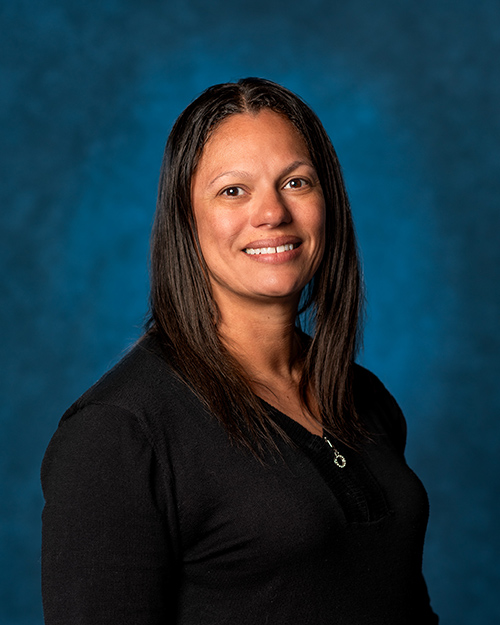
Harris County CPS Impact Court Judge
Judge Katrina Griffith is currently the Associate Judge for the CPS Impact Court in Harris County. Prior to becoming an Associate Judge, she was a Family Law Attorney and is the Managing Partner of The Griffith Law Firm PLLC. The Houston based firm focuses on children's rights, family law, STAR family intervention court (drug court) and SOAR (juvenile drug court). She represented clients in divorce cases, child custody matters, modifications/enforcements, adoptions, children's protective services and juvenile law cases.