


Exposing the Dark Side of Kratom. Is This “Natural” Supplement Fueling Addiction?


Kratom is a plant-based substance that’s easy to find in smoke shops, gas stations, and even health food stores. Marketed as a natural remedy for pain, energy, or opioid withdrawal, it’s gained a reputation as a “safe” alternative.
But according to Houston addiction medicine specialist Dr. Kamal Shah, that couldn’t be further from the truth.
He’s seen firsthand how quickly people can become dependent, from those in long-term recovery to others simply looking for pain relief. What starts as something “natural” often ends with tough withdrawals and a return to addictive patterns. Because kratom isn’t FDA-regulated, there’s no consistency in dosing or purity, adding another layer of risk.
Dr. Shah explains how kratom dependency develops fast and why withdrawal feels more like dopamine depletion than a classic opioid detox. He and Matt Handy discuss the growing concern around its easy access—especially for young people—and the misinformation that keeps it under the radar.
For anyone in recovery, kratom isn’t a harmless supplement. It’s a slippery slope that can quietly pull people back into addiction.
KETV NewsWatch 7, 'Worst thing I've ever been through": Finding out what kratom is and how it's addictive
Eric B Zink, Day 3 Withdrawals Red Kratom (Vlogging My Withdrawals)
Matt Handy is the founder of Harmony Grove Behavioral Health in Houston, Texas, where their mission is to provide compassionate, evidence-based care for anyone facing addiction, mental health challenges, and co-occurring disorders.
Find out more at harmonygrovebh.com
My Last Relapse explores what everyone is thinking but no one is saying about addiction and recovery through conversations with those whose lives have changed.
For anyone disillusioned with traditional recovery and feeling left out, misunderstood, or weighed down by unrealistic expectations, this podcast looks ahead—rejecting the lies and dogma that keep people from imagining life without using.
Got a question for us? Leave us a message or voicemail at mylastrelapse.com
Find us on YouTube @MyLastRelapse and follow Matt on Instagram @matthew.handy.17
About Harmony Grove Behavioral Health
Harmony Grove delivers outpatient addiction and mental health treatment focused on wellness, creativity, and authentic human connection—providing a supportive space for healing that extends beyond traditional clinical care.
Harmony Grove’s IOP in Houston, Texas, is more than a program; it’s a lifeline for those ready to take the next step in their recovery. We are ready to meet you where you are and find your unique path to change.
If you’re feeling overwhelmed or struggling, you don’t have to face it alone. Reaching out for support is a sign of strength, and help is always available. If you or anyone you know needs help, give us a call 24 hours a day at 844-430-3060.
Host: Matthew Handy
Producer: Eva Sheie
Assistant Producers: Mary Ellen Clarkson & Hannah Burkhart
Engineering: Voltage FM, Spencer Clarkson
Theme music: Survive The Tide, Machina Aeon
Cover Art: DMARK
My Last Relapse is a production of Kind Creative: kindcreative.com
Matt (00:03):
I am Matt Handy, and you're listening to My Last Relapse. Okay. Dr. Shah, a lot of people are having medical issues around a very accessible drug that you can buy anywhere. You can buy it in smoke shops, you can buy it in gas stations, you can buy it at corner stores, and there's a lot of misinformation around what it is and why people can or should use it. And there's two, right? There's Kratom, and then there's the derivative of Kratom, I believe it is, which is seven Hydroxy. What do you know about those two things?
Dr. Shah (00:41):
So Kratom in its base form is an old medicinal plant from Southeast Asia. It's been used for thousands of years to help out with pain relief, energy and basic overall health. It's usually like in a tea extract that they use in small, small milligram increments. The active form of that is seven hydroxymitragynine. That is highly addictive in a highly, highly concentrated form of what you're normally getting in the tea leaf. So imagine the difference between going into Columbia and going into the plants or going into the jungle and chewing on a cocoa leaf versus getting an extract of that cocoa leaf, refining it down into cocaine and then snorting it. That's the difference between regular old Kratom versus the seven hydroxy and the effects that you're getting from the two.
Matt (01:40):
Okay. So it's actually a concentrate of, it isn't a derivative, it's a concentrate.
Dr. Shah (01:44):
It's like the active, active ingredient of Kratom. So there's Mitragynine and there's, seven hydroxymitagynine.
Matt (01:51):
Okay.
Dr. Shah (01:52):
And so they both exist as the alkaloid form inside of extracts from Kratom. But what's happened is that the companies that are out there have synthesized it down almost in a breaking bad type of situation where they're like, what's the most potent version of this that we can possibly get? And it's the seven hydroxy, and that's what they're selling right now, and they're selling it in very interesting formulations and very interesting different derivatives of it. So some of them are in these gummy extracts, some of them are in these liquid extracts, some of them are in these tablet forms, and it will say a milligram dosing on it, but you'll have no idea what the purity of it is. Because none of it is controlled.
Matt (02:36):
So as far as FDA oversight, there is no standard as far as the way that you're packaging, the way that you're labeling, the way that you're doing any of that?
Dr. Shah (02:45):
No, none of those things. So they can label it whatever it is that they want to label it because it doesn't fall underneath FDA guidelines. So some of the ones that they're getting right now are, they'll market some of them for energy, some of them market for antidepressant, some of them they'll market for pain relief. Some of them will even market for, if you need to come off of an opioid, you can use this as a less addictive substitute for it. And so you can basically say whatever you want because it's not FDA regulated. And so it's in this gray zone between FDA regulation and just wild, wild west. And it's just, right now, it's the wild, wild west.
Matt (03:26):
It is. And there's a lot of money in this. You see it premium packaging. You see there's companies that are dedicated to this, the distribution, not just the distribution side of it, but also the refinement and the delivery of the drugs. One of the things that I've definitely noticed is that the marketing around it seems to be pretty targeted towards people who don't know what's going on.
Dr. Shah (03:59):
Yeah, absolutely. Especially when you see where it's marketed at, right? It's right next in the vape shop. It's right next to the bubble gum flavored vape, and right next to it are these gummies for a kratom. And if you don't know what Kratom actually is, you may try it not knowing that it's really, really addictive and it gets really addictive really quickly.
Matt (04:23):
Very, it's interesting. So I have experienced personally with Kratom.
Dr. Shah (04:27):
Okay.
Matt (04:28):
Where before I actually went to you guys, I was trying to figure out a way to lessen withdraw symptoms. And I went into a smoke shop not knowing what it was at all, trying to get something, a vape. And at this time, I'm just open about what's going on with me. And I told the guy that I was withdrawing and dah, dah, and he said, Hey, you can take this and it will severely dampen the withdrawal symptoms. And I said, okay. And he had gel caps with powder. He had liquid, a liquid form of it, and then there was bags of the actual powder. And they said, you can take the shot of it, you can take the pills of it, or you can mix this into drinks. And then I asked him, what is the typical person who's buying this looking for? And he was like, well, it's just relaxing. And then he said, it's like kava. It's just relaxing. And people take the edge off. And it's non narcotic so people, it's like safe.
Dr. Shah (05:35):
So let's define what it means to be non-narcotic. By definition something, it's something that's not a controlled substance. And so if it's a controlled substance, it's a narcotic. So anything that's a, not tramadol is technically a non-narcotic substitute for an opioid, but that's because it's not defined as a class two or I think it's like a class one or it's a different class of it, right?
Matt (06:06):
Yeah.
Dr. Shah (06:07):
It's still addictive
Matt (06:09):
In the way that DEA schedules it,
Dr. Shah (06:10):
Right? The way the de schedules it, right. So it's really misleading to classify something as non-narcotic when it still has the particular addictive effects of it. And for me, the main thing that I look for to see if something is addictive, is there a huge dopamine release that happens when you take that particular substance.
(06:34):
And so when you take the Kratom, huge surge in dopamine, so there's two effects that occur at different dosages of the kratom. At lower dosages, you get between one and five milligrams. What you're getting is you're getting a dopamine release, so it gives you energy and it gives you wakefulness and all of those things at higher doses between five and 10, it starts to give you that calming sedative effect, that relaxing, nourishing, it can settle into my body. And then it even higher doses, it gives you the pain relief effect. And so if I was an addict and the saying goes, if one is good, what's even better? Two or 10 or 20. And so I'm having patients come in on the most I saw until this last, and I'm actually really glad we're doing the podcast this week because in the past week I've had four patients come into the hospital and one of the guys was on more cran than I've ever seen in my entire life. He was on 400 milligrams, and this guy, his withdrawal symptoms were unreal, but we can get into that
Matt (07:47):
400 daily or weekly,
Dr. Shah (07:48):
I'm sorry, 600 daily.
Matt (07:50):
Holy shit.
Dr. Shah (07:52):
Yeah. And then the other guy that came in was doing, I think 450 daily and underneath, the other guy was doing 300, the guy was doing 200. And it blew my mind how much they were taking, and that's the most I'd heard of in a while because the most I'd heard of before this 600 guy was 300.
Matt (08:13):
That's interesting. So what you're saying is you're seeing a spike in use?
Dr. Shah (08:16):
I'm seeing a spike in use, and I'm definitely seeing a spike in the number of people that are coming into the hospital for Kratom withdrawal. We admitted, admitted 12 patients in the last week. Three of them were kratom.
Matt (08:30):
Okay. So you talk about the withdrawal, right? Let's talk about what it actually does to the brain.
Dr. Shah (08:36):
Okay.
Matt (08:37):
What is it attach to? Why does it attach there and what is with the withdrawal symptoms?
Dr. Shah (08:41):
Yeah, so the active site inside for the seven mitagynine or seven hydroxymitragynine is the receptor inside the brain. It's the exact same receptor that's binding onto the fentanyl and to the opiates and all of those things. So it's an opioid like receptor, but it's a partial agonist, and so it only slightly opens it up, not fully opens it up, but it also has some effects on the adrenergic sites, so the norepinephrine, epinephrine, and then also the serotonin. So that's where some of the antidepressant effects come from. But for us, what we're seeing in terms of the energy and all of that stuff, and the withdrawal symptoms that we're seeing as a behavioral neurologist, what we're noticing is that their symptoms are more of a dopamine withdrawal than it is an opioid withdrawal. Because for an opioid withdrawal, what I'm expecting to see is I'm expecting to see them with crying, goosebumps with diarrhea, hot and cold flashes, abdominal cramping and severe restless leg. That's the opiate withdrawal. But for the dopamine withdrawal, all I'm expecting to see is the severe restless leg.
(09:58):
And that's what they're coming up with more so than anything. And so those first 24 hours, the guy that came in on the 600 milligrams, I had to put him on phenobarbital, Depakote, and a Precedex strip, which I maxed out, which is a muscle relaxant, and he would not stop shaking. The nurses were like, what is going on here? Right? We've never seen this before. And I was like, oh, that's Kratom withdrawal. We just started a new hospital. And so that new hospital had no idea what they were in store for with these withdrawal patients, and this guy was huge. He was 600 pounds, and the nurses were afraid that he was going to fall on them because he was so unsteady on his feet, and he was just twitching and moving around. We finally got him to calm down and settle down after I gave him two doses of diazepam, which I did not want to do because I don't want to give them benzos when they're coming off of this. I would much rather them get through the dopamine withdrawal than to drug them up on something. But at the 48 hour mark kind of calmed down, and he is doing great now.
Matt (11:01):
Okay. Two things, then. The crying of the opiates withdrawal, it's really a tearing, right?
Dr. Shah (11:09):
Yeah, it's occurring.
Matt (11:11):
There is typically a lot of crying, but it's two different things.
Dr. Shah (11:14):
Yeah. It's lacrimation that's going on where your eyes become really watery, so it's not like an emotional crying. It's more of like a,
Matt (11:23):
Yeah. Okay. So what is the typical length of a withdrawal symptom for a moderate user?
Dr. Shah (11:29):
For kratom?
Matt (11:31):
Yeah.
Dr. Shah (11:31):
Okay. I'm having to redefine what moderate is every single day because the amount that they're coming in on. So before I would've told you, oh, moderate's around a hundred, 150, right,
Matt (11:45):
Okay. That's what I was thinking as well.
Dr. Shah (11:46):
Now I'm thinking moderate is like 300. And that's still super high,
Matt (11:52):
Very high, and it's very expensive. Have you ever seen the pricing on this stuff?
Dr. Shah (11:56):
They tell me how much they're taking. So because I don't know what each amount is in terms of how much concentrated is this one, how concentrated is this one? I'm assuming that the market value kind of dictates which one's better than the other one, because the more of a high you get from one of 'em is the more pricing it's going to be. So I kind of gauge it based upon how much are you spending per day on it. So you tell me, if you're coming in and you're like, Dr. Shah spending 200 a day, I'm going to be like, okay, that's kind of a lot. But if you're like, I spend 50 bucks a day, I'm like, okay, maybe it's not as much. But then they'll bring in the packets too. So this guy brought in a packet and there was four pills and it was 200 milligrams, so they were 50 milligrams each. And I was like, how are you taking this? He was like, I would wake up in the morning and take 200 milligrams just to get going. And he was like, just to get going in the morning. And then I would then take it throughout the day, and that's how I got up to 600 milligrams.
Matt (13:00):
Early in this conversation, you said one to five milligrams is where the energy happens. Five to 10 is where the relaxation happens, and then anything after that is where the pain relief happens. What are people using 200 milligrams for?
Dr. Shah (13:17):
I don't know. I really, really don't know. And I think what's happened is that they are not, because it's such a large dopamine release and a large dopamine surge that I think what's happening is that they are very quickly becoming accustomed to that dosing. And so they're chasing more and more and more because they're not getting the same relief that they're getting before. Because once you get, it's the hedonic set point, once you take a substance of the very first time, you're never going to get that same amount of dopamine release on the subsequent uses. So you're constantly chasing that over and over and over again.
Matt (13:53):
Is it like a systematic diminishment diminishing on the dopamine returns that you get? Is it systematic in how it decreases, or is it just a gradual kind of arbitrary based on your chemical makeup?
Dr. Shah (14:08):
I don't know if it's, I wouldn't be able to graph it. I just know that over time, you have to start taking more and more to get that same release.
Matt (14:16):
So it is very expensive and it's also very easily accessible. But one thing that, so there are the way that it's marketed different strengths. And so for example, what I saw was that there would be 25 milligram bottles shots, these little cracking off and drink it. There were all 25 milligrams, but there was different strengths.
Dr. Shah (14:42):
Okay, wait, wait, wait. They're all 25 milliliters.
Matt (14:45):
Milliliters,
Dr. Shah (14:46):
Right?
Matt (14:47):
Millileters,
Dr. Shah (14:47):
The concentration changed with the volume in it was the same.
Matt (14:53):
The exact same.
Dr. Shah (14:54):
Okay, then that makes sense because, so I also did a master's degree in alternative medicine, and so the krato kind of falls underneath that category of alternative medicine. That's why you get all of these influencers and all of these natural health people saying, oh, it's great. It's amazing. Don't take this away. They are not getting that version of what they're taking versus what the addicts and alcoholics are taking at such a high dose. And what I believe is happening is each time you harvest the kratom at different times of the year, the amount of the extract that's in there is of different quality, quality and caliber. So if you harvest it, it's like when is it in season? When is it at the peak amount that's in there?
Matt (15:51):
So as far as the maturation of the plant, and
Dr. Shah (15:55):
How much concentrate are you getting out of it?
Matt (15:58):
It'd be interesting to see, because a lot of this is a southeast Asian plant where it's pretty much tropical year round. I wonder if this is a multi-seasonal plant.
Dr. Shah (16:12):
I don't know. I totally understand what you're saying, but there's got to be a peak harvest season,
Matt (16:19):
Or maybe it's just a peak harvest point of maturation like marijuana.
Dr. Shah (16:23):
Yeah, I could see that too. And then what do they do when they refine the process? But this goes back to the whole fact that it's not FDA regulated
Matt (16:32):
For sure. So Dr. Shah, I assume that what people are initially seeking this out for is some kind of relaxation or relief.
Dr. Shah (16:42):
Or energy
Matt (16:43):
Or energy. There's a lot of conflicting information out there about what this actually is and what it does and all of the benefits of it, and honestly, the dosing. And you're right, where it's like, yeah, these health influencers, they're talking about doing something way different than the addict who's seeking. And I wonder how connected is this to the quieting of the amygdala?
Dr. Shah (17:14):
It's probably really related to that, right? Because we've talked about dopamine being the number way to quiet down the amygdala.
Matt (17:18):
But it is not the correct route that we're trying to go.
Dr. Shah (17:24):
Yeah, we're not trying to do that. It's like it's what's the healthy quieting of it down
Matt (17:28):
Long-term, lasting healthy way to quiet it down. And this actually is a very effective short-term, but also has a lot of negatives.
Dr. Shah (17:38):
Especially with the amount of dopamine that you're getting in such a short period of time. That's where the danger lies. And so what you're getting, the severe restless leg that you're getting from that is a dysregulation of the dopaminergic system. I think what's happening is that a lot of the people that are using this fall that I've seen in the hospital fall into two categories. The first category is someone who has no idea what kratom is and took it, and it was like, oh, this feels good. Let me keep taking it. Or they took it for back pain, or they took it for some type of analgesic relief and they got addicted to it as the dosing increased slowly over time, and this may have been over the course of a month, two months, a year.
(18:28):
The other group that I'm seeing is addicts and alcoholics that are in recovery that are going to the smoke shop. And then they're like, oh, let me just take some of this. This will feel good. Because addicts and alcoholics are notorious, or one of the theories that they have a low dopamine state, and that's why they're using is that they're going and finding relief from this particular substance. And because they're finding relief from it, they're very quickly escalating to higher and higher doses, and they're becoming dependent upon it. And that dependency that they're getting from it is really, really hard to come off once you're there.
Matt (19:06):
When you talk about the benefits of these types of things. So as somebody who I am in recovery with a long history of opiate use, and when I took Kratom, got no psychoactive effect where,
Dr. Shah (19:28):
Oh, that's really interesting. So you didn't get any relief from that whatsoever? No. Interesting. Okay.
Matt (19:34):
And so the question I guess would be, is this just one of those things that people end up taking because it's not dangerous, and then they develop this dependency. So there are things out there that don't hurt you upfront, but then become extremely dangerous later. And this is one of those situations where I see it's like there's no downside to it upfront. You're also not going to test dirty. Well, nowadays you can.
Dr. Shah (20:06):
In our IOP, we're definitely testing for kratom. The cups that are coming out now have kratom in them because it's so common now. It's just there. If you had asked me four years ago, are you testing for Kratom, I'd be like, why would I do that? That sounds excessive, Matt. There's no reason to do that. But now I'm like, you almost have to test for Kratom because you have no idea. You almost kind assume that they're taking it as a weight of getting off of it.
Matt (20:36):
Yeah. So I guess the question is how do we educate people around the realities of what it is? When you said there's those two types of people that are taking it, it's like the alcoholic and addict who's in recovery trying to get some kind of relief. And then obviously the person who has no education around it, those are the people that we would really want to target for education because the addicts and alcoholics know better.
Dr. Shah (21:05):
No, they don't
Matt (21:06):
Really,
Dr. Shah (21:07):
Really, you think alcoholics know better?
Matt (21:09):
I know you know better.
Dr. Shah (21:11):
I can't tell you how many are just like, what is that? Right? Or they're an early recovery. I mean, if you've been around the block for a while, you kind of know. But if you're new in recovery and you're like, oh, this is in the gas station, are you really going to question that? Are you really going to ask about that? The other thing that I thought was scary too was that there's a lot of the drinks that are out there right now that aren't even marketed that has them having Kratom inside of it.
Matt (21:42):
Did I send you that video clip?
Dr. Shah (21:43):
Yeah. That's the clip that you sent me. Right? Of the girl being like, what is this?
Matt (21:47):
Right? Yeah,
Dr. Shah (21:48):
We should put that clip into the podcast. And that's the scariest part, is that they are marketing stuff as healthy and natural, but not really disclosing to you what you're actually getting inside of it.
Matt (22:05):
So in this clip, this girl kind of displays this can, and she tells this whole story about the experience that she had, and what ended up happening was she had adverse effects from this drink. And then when she actually went and looked what was in it, it said she had no clue what it was. But she had this very distinct experience around it, which I think is interesting because she has to be hypersensitive to it. Or naive or naive, because when I think about my experience with it, it was like nothing.
Dr. Shah (22:40):
Nothing. But I mean, come on, based upon your history. So I'm opiate naive to this point. That's never been part of my story. I've never taken an opiate before. I've never had taken codeine before for
Matt (22:57):
For surgeries?
Dr. Shah (22:58):
Nothing. I think I had my wisdom teeth pulled out, and I think what they were using back then, I think it was still just a really strong benzos to put people under or maybe propofol. So I've never had any opiates in my system, so I amazing. I'm actually, I dunno what it's going to be like when I take opiates for the first time. I'm hoping it'll be when I'm like 60 or 70, But I don't know what Kratom will do to me because I've never had that particular receptor messed with. And so this girl may never have had the immune receptor opened up or targeted or anything like that, or to get a flood of it.
Matt (23:41):
So to kind of go back, they've got all these kombucha, the whole market of these drinks and these health products that they market to a very specific people like the health conscious people and these health conscious people. I think from the interaction that I've had with a lot of these people is that they're very sensitive to caffeine and to all this other stuff where it's like, but you see it with their caffeine use with their pre-workouts and stuff where they very quickly build this tolerance to caffeine. And it's like they're eating scoops of pre-workout after a few months, and it's very quickly because of the nature of kratom, you can build up this tolerance, but then also this dependence and then have no clue what hit you wake up one day miserable.
Dr. Shah (24:34):
It only hits you when you try to stop it. And then you're like, how did I get into the cycle? Why can't I stop this particular med? And so that's a lot of times when they finally come into my office and they'll go to their PCP and their P CCP will be like, I don't know what to do to help you. I'm not sure how, I don't know how you got onto this, I dunno how to get you off of it. But for patients that are at a higher dosing, it does require hospitalization.
Matt (24:59):
So that brings up a good question. How does the dependency form in relation to opiates?
Dr. Shah (25:05):
How does the dependency form in relation to opiates? So the theory that we have right now is that it's not an opioid dependency. It's a dopamine dependency. And that dopamine dependency is where all of the symptoms come from because it's not the classic diarrhea, abdominal cramping and all of those things. What you're classically seeing is the restlessness and the uneasiness and the inability to move.
Matt (25:30):
Okay. So is there a component of anxiety when they're coming off of it?
Dr. Shah (25:36):
Yeah, because they can't stop moving. And so that goes back to the dopamine side of it. What I'm more interested in, because your podcast called My Last Relapse, and so the audience for this is addicts and alcoholics and early sobriety. And what are we telling them in terms of what's the warnings around that? How quickly can you go down that road and how quickly can you form a dependency upon it? And my response would be probably in a couple months. It's not something that you should be messing with in early sobriety or in any portion of your sobriety. I've seen old timers come in that we're hooked on this too. So the other population is old timers. I can think of four guys that have come through and they have had long-term sobriety. I'm talking 20 years, and they're like, I don't know how this happened. Right?
Matt (26:28):
So question. Does that break your sobriety?
Dr. Shah (26:32):
I don't know. I think you define your sobriety, but of the three guys that I know that had the long-term sobriety, they both, they all said yes, they all picked up desire ships on that.
Matt (26:42):
Okay.
Dr. Shah (26:43):
But it's up to them. I don't define their sobriety. I mean, I've had people tell me that they've got 30 years of sobriety, but they also just are abusing their oxycodone. Right? I'm like, okay, I haven't had a drink. I don't know. I'm not one to, I can't define your sobriety for you. Right?
Matt (27:04):
Yeah.
Dr. Shah (27:04):
The chip says, to thine own self be true.
Matt (27:07):
Yeah, for sure. So it's a very slippery slope. And to full circle this, it's very dishonest. The marketing practices around this specifically. Do you know if kids are actually taking this stuff? Do you got to be 18 to buy it? No.
Dr. Shah (27:29):
I know in the smoke shops you need to be 18 to go into a smoke shop,
Matt (27:33):
But it's a gas station,
Dr. Shah (27:34):
But it's also available at gas stations and at health food stores. So I don't know. I don't if kids have easy access to this. I do know that they are buying them from each other.
Matt (27:47):
There's Kratom dealers out there,
Dr. Shah (27:48):
And I've seen episodes of that on TikTok about kids going around and selling Kratom to other kids, which I think is crazy.
Matt (27:58):
That is crazy.
Dr. Shah (27:59):
One of the things that I definitely want to talk about is someone was asking me the other day if I thought that this was the next wave of fentanyl abuse or fentanyl, the Kratom was going to be the next fentanyl. And I In what way? In terms of healthcare crisis or in terms of an epidemic that's going on. And I think if you had asked me two months ago, I would've been like, nah, not a big deal. But since I just saw three or four patients in the hospital in this last week on Kratom, I'd be like, oh, I don't know. It seems to be going in an upswing. It has not led to any deaths yet.
Matt (28:42):
I was about to ask.
Dr. Shah (28:43):
So that's where it completely differs. But the dependency is there, and it's a dependency in such a way that it's so uncomfortable to come off of that. It's easier for people to continue buying it and spending money on it than to actually come off of it unless you go and seek treatment, and it almost sounds like the perfect drug. You're like, you're no longer getting the relief from it all you're getting from it is like, okay, I am not having these terrible symptoms of withdrawal anymore, so I keep doing it. I'm not in this restless leg because of hipaa. I cannot take pictures of these patients that are doing it. But if you saw this guy, he was just like this for four hours straight. It just could not stop moving.
Matt (29:32):
Do you think that there is a neurological thing that you could point to that are these seizures or is
Dr. Shah (29:39):
It No, no. This is a dopamine dysregulation that's happening.
Matt (29:43):
Explain that. How does that translate into the shaking?
Dr. Shah (29:47):
Dopamine's responsible for movements? So a dopamine deficiency, like a true Parkinson's disease leads to the rest tremor and the shaking. So dopamine has a multiple effects inside of the body. It's not just for motivation and mood. One of the biggest components of it is movement. So the restless leg that they're getting is all related to a dopamine dysregulation. And so as they're moving around and writhing and all of those things, it is because that entire system has gone wacky.
Matt (30:19):
Is that the same with opiate withdrawal? Is it the dopamine?
Dr. Shah (30:22):
That's when you're getting the restless leg stuff, but the stomach cramping and the diarrhea inside of the gut, that's the pure opioid receptor.
Matt (30:34):
Right? Same with the sweats and the tearing.
Dr. Shah (30:38):
Same with the sweats and the tearing and the goosebumps, but the restless leg and the creepy crawlies inside of those, that's all dopamine.
Matt (30:46):
So I imagine there's a wide variety of symptoms that you're seeing. What is the level of lowest severity that you've seen somebody come in for, and then the highest severity?
Dr. Shah (31:00):
So the lowest severity is I can't stop. I feel uncomfortable when I am coming off of it and I'm taking 50 milligrams.
Matt (31:12):
And what would the treatment be?
Dr. Shah (31:13):
I put you on phenobarbital for three days and then you're done
Matt (31:18):
And they're done, then they're done.
Dr. Shah (31:19):
Yeah. They might have some protracted withdrawals afterwards, but I'm trying my best not to put you on Suboxone for three days, but I do put some patients on Suboxone for three days. But I'm trying my best not to treat you with something that I have to discharge you with, or that's something that's going to last a little bit longer. So I usually just do phenobarbital for three days and then do a two or three day taper of Suboxone while you're in the hospital.
Matt (31:48):
Suboxone for Kratom.
Dr. Shah (31:50):
Yeah. But that's only because I'm trying to get the opioid effect to the receptor to help out with that side of it. Right.
Matt (31:59):
Okay.
Dr. Shah (31:59):
You could probably get through it on your own without it, but when they come into the hospital, right, they're like, everyone's giving them Suboxone, so I can't not give them Suboxone. I would ideally not do it, but it does help some patients.
Matt (32:14):
Well, I mean, suboxone is really good at what it does.
Dr. Shah (32:17):
Yeah. I mean, it's a opioid receptor, so I mean, I don't see why it wouldn't be an issue. It doesn't. The one thing about it is that it doesn't displace the seven hydroxy metra grindin. So you know how when you're taking Fentanyl and you take the fentanyl too early, or you take the Suboxone too
Matt (32:39):
Early, it injects everything off. It checks everything out.
Dr. Shah (32:41):
This doesn't do that. Why? Because I think they're both partial agonists.
Matt (32:46):
So it's like you take that half and I'll take the other half?
Dr. Shah (32:48):
Yeah. Or, oh, you're on there too. Okay, great. Right. I'll hang out too. Whereas the other one with the fentanyl, right? Full on, and then you're knocking it off.
Matt (33:01):
Okay. So then that's the low side of it. What would the extreme side of it be where you've seen them come in, and then how do you treat that and how long is the withdrawal?
Dr. Shah (33:10):
So that one is, I've got you on a phenobarbital. I've got you on Depakote, I've got you on Suboxone after the second day or so. I've got you at Sedex. I got you on a Sedex strip. And then if that doesn't work, then I'm giving you diazepam, but I'm trying not to. So the escalation is if the phenobarbital doesn't cover it, then we go to the sedex. If the sedex doesn't cover it, then we go to the diazepam, and that's the stepwise process.
Matt (33:43):
So you are calming them down and then relaxing the muscles. And then if that doesn't work, then you're giving them
Dr. Shah (33:50):
The Diazepam
Matt (33:50):
And anti-anxiety as well.
Dr. Shah (33:53):
And then usually that lasts about two days. I mean, it is bad. I don't know. There's got to be something on YouTube where there's people, some video of someone withdrawing from Kratom on YouTube, but that's interesting. We'll look it up. And if there is, we'll post it inside of this inside of here just to link it together, but it's uncontrollable restlessness that goes on.
Matt (34:20):
So the withdraw symptoms, the acute withdrawal symptoms are fairly short
Dr. Shah (34:26):
If they're treated right, but it's so uncomfortable that it could go on for four or five days if left untreated. Or what people are doing is that they're taking a low dose of it, really hoping that it will help them out. Instead of taking the 600, they're like, I'll just take the 200 today. That just prolongs it because you have to go through the withdrawal at some point.
Matt (34:50):
So this is not like a taper type drug. So there's a lot of drugs that you can taper to curb the withdrawals, and then eventually, if you had a good enough taper regimen, you would never have a withdrawal symptom. This isn't one of those.
Dr. Shah (35:08):
I think every drug that we abuse could have a solid tapering schedule. I mean, even alcohol. The beer plan that I found online when I was trying to quit would've worked exceptionally well had I been able to keep to that beer protocol for sure. The problem is that inside of the Kratom protocol, you have no idea what you're getting each time. So if you took it and if you didn't have the same quantity or even the same manufacturer, the different runs can have different dosings inside of those runs, because none of it's standardized. So let's say I bought this packet and it was Obey brand Kratom from this store over here, and then I bought Obey brand Kratom from this store over here. They may have different quantities of Kratom inside of it because none of it's regulated.
Matt (36:07):
That's interesting.
Dr. Shah (36:07):
So you would never be able to do a taper off of it because you have no idea what's inside of it.
Matt (36:10):
Right. So that is one of the majorly dangerous things around these underground labs and underground drugs. There is no oversight as far as the manufacturing of the drug. And what you will see, and you still see this in pharmaceuticals, even with the chocolate chip cookie effect of when they're mixing the drug, there'll be a pocket. Oh,
Dr. Shah (36:33):
Yeah, yeah, yeah. Okay. Interesting. That's what it's called.
Matt (36:35):
Yeah.
Dr. Shah (36:36):
A chocolate chip cookie effect.
Matt (36:37):
Yeah.
Dr. Shah (36:38):
Okay. Where one cookie gets more chocolate chips than the other one?
Matt (36:40):
Or one part of the cookie gets more chocolate chips in it. And so you'll have a massive effect. And so with FDA approved drugs and pharmaceutical companies, they do have a much more, they have a stringent
Dr. Shah (36:55):
Standardization. They have to
Matt (36:56):
Of quality
Dr. Shah (36:57):
And they have to run through. And so only you're getting the active ingredient, and then you're getting a whole bunch of adders and fillers into it. But if adders and fillers have to be in a certain quantity and a certain percentage, and they can take any pill off the run and say it has to be the same as this. Right. And it runs within a plus or minus 5%, whereas this one, who knows.
Matt (37:23):
Can massively vary from pill to pill.
Dr. Shah (37:26):
One pill could be nothing. Right.
Matt (37:28):
Within be the same batch.
Dr. Shah (37:29):
Same batch,
Matt (37:30):
Yeah.
Dr. Shah (37:30):
Right. Because who was looking at it? Who's controlling it? My biggest thing is what do you tell a sponsee as a sponsor?
Matt (37:38):
Okay.
Dr. Shah (37:40):
What would you tell, okay, so you're sponsoring some guys, right? What would you tell 'em about this?
Matt (37:45):
So as far as the education around it, first of all, I would tell 'em what you said first is I cannot dictate how you measure your recovery, but this is a very dangerous chemical. First off, first off, it's a dangerous chemical. You will end up in withdrawal if you become dependent on it. And if the idea is quality of life and to relieve yourself from yourself, you get into the same, you fall into the same traps of addiction with this drug. As you do any other drug, you will have to feed that beast. So I guess that's what I would tell 'em, right, is avoid it because it's still a drug.
Dr. Shah (38:28):
Yeah. The scariest part that I remember someone telling me was, this was about two years ago when it wasn't as prevalent, he told me he spent his entire day driving around from smoke shop to smoke shop to smoke shop, looking for this particular brand and this particular type of kratom. And whenever he found it, he'd buy the entire box. And then he went, and then he found another one. He'd buy the entire box that would keep him good for two weeks or maybe a week, and then he'd have to go do the whole thing over again because he'd run out. And I was like, that sounds like searching and seeking behavior. That's classic drug addict behavior.
Matt (39:11):
For sure. I've done the same thing for crack and heroin.
Dr. Shah (39:17):
And so people are doing this for Kratom. You can buy it off the shelf. That's insane. That story in and of itself tells me that you don't want to mess around with this if that's the behavior that's coming up from this. But when you start looking at the dopamine side of it and what the receptors are that it's impacting and how quickly patients are getting addicted to it, it's really scary. Especially the older ones and the ones that are in recovery, the ones that are dopamine sensitive in that when they start getting something in their system that's dopaminergic and they start liking it, they have a high likelihood of very quickly escalating onto that higher and higher doses of that.
Matt (40:05):
This kind of brings up a good point or a good segue into something. Is that, so as an opiate addict, the number one fear is the withdrawal. And have you seen people move from kratom to opiates?
Dr. Shah (40:22):
I have not seen that yet, but we've, one of the fears that I have, so let's go back to the young kids, the teenagers and all of that stuff. If you asked me 15 years ago, what was a 15 year old's first exposure to an opioid substance, I would've been like, oh, he got it from his parents' cabinet. There was some oxys in the cabinet, and he was like, lemme try this today. If you ask me what's a young person's first exposure to an opioid substance that acts on the new receptor, it's Kratom, which is easily accessible from a smoke shop. So I've got these kids whose brains are still developing and still forming, and their first introduction to an opioid substance, which a partial agonist to the mu receptor they can buy at the smoke shop. That's pretty scary. So I don't know what the numbers are in terms of moving from one to the other. But why would I expose a young kid to that this early on? And is it a gateway? I don't know. But it's scary to think about that being the first thing that they're exposed to.
Matt (41:34):
Are you aware of legalities and because I'm sure there's people outraged, right? Have you heard any grumblings or anything about that?
Dr. Shah (41:43):
I thought there was supposed to be a ban on Kratom. Somebody told me September 1st of this year, there was supposed to be a ban on Kratom inside of the state of Texas. Right. And I still see it.
Matt (41:57):
Yeah. So that ban specifically what happened on September 1st was interesting because what they did was they repealed or they reacted against the Farms Act, which allowed people to sell Delta products, Delta nine products and the THCA products. And in that bill, they also snuck in a bunch of language around vapes, where any Chinese components, any single vape that has a single Chinese component in it is now illegal. It's outlawed. They can't sell it.
Dr. Shah (42:34):
What?
Matt (42:35):
And they also,
Dr. Shah (42:36):
That's just in Texas, or that was
Matt (42:38):
Just in Texas. They did this in Louisiana recently, and then Texas followed, and they also snuck in language around Kratom. Now the interesting, I went into a vape shop on September 3rd, and this is how they got, I bought this from a shop on September 3rd, and I went in there, I was like, Hey, you guys are still selling everything. He was like, Nope, that's free.
Dr. Shah (43:08):
What?
Matt (43:09):
Yeah. I was like, really? He was like, yeah, but you have to buy this. You have to buy a charger. And it was 39 bucks for the charger, and then they give you this for free.
Dr. Shah (43:18):
That's so funny. What were they doing with the Kratom?
Matt (43:21):
It's still on the, I don't know how. I'm not buying Kratom.
Dr. Shah (43:23):
Yeah.
Matt (43:24):
So I imagine it was still some kind of clever way for them to legally not sell it, but still make their money on it.
Dr. Shah (43:32):
The Charger's $39.
Matt (43:34):
He literally handed me the charger to this, like a little wire like this, and said, this is $39 and this comes for free with it,
Dr. Shah (43:45):
But you have to buy that in order to get that.
Matt (43:48):
I even said, well, I don't want the charger. He was like, you have to take the charger. This is what you're buying. I was like, what?
Dr. Shah (43:58):
So there's always a way around it. There's always some loophole. Leave it to, it's a money making machine. Three years ago, there was barely any smoke shops in any part of town, and now I can't drive more than half a mile without seeing at least two of 'em. And the ones that have popped up are not just the smoke shops, but they're the ones that sell smoke shops, Delta nine and Kratom inside of it.
Matt (44:29):
What's even crazier? So from California, smoke shops and head shops have been around since. I mean, they've always been around. For me, the epidemic epicenter of the weed culture is in Northern California, and we're talking about hate ashberry in the seventies and stuff like that. And then I grew up in the nineties, there were smoke shops everywhere. As a matter of fact, there was a smoke shop down the street from my house when I was a kid that had my mom's name. And so I always remembered that place, Rhonda's Smoke Shop. But one of the nefarious things that we are seeing around these smoke shops is that this is where people go for all their drug paraphernalia. They're buying pipes, they're buying all kinds of stuff. And what that ultimately does to a community and what that ultimately does to kids, because as a kid, there's an allure to seeing these shops. I don't know if you had that experience or not.
(45:31):
So there was this one in Ocean Beach, California. It was called The Black, and that was a legendary place. People go to San Diego and they'll bring stickers back from the black, and it's like this really cool shop, and there's glass pieces in there, but there was a major allure and attraction to it, like a forbidden fruit. And so now you've got things in there that are extremely harmful to people, but extremely harmful to kids. Do you remember when cigarettes had to stop Camel? What was the Camel?
Dr. Shah (46:04):
Joe Camel.
Matt (46:06):
Joe Camel. Yeah. Remember when they had to stop that?
Dr. Shah (46:08):
That's when I was smoking. I was smoking back then.
Matt (46:10):
Really? Yeah. You smoke camels?
Dr. Shah (46:13):
Yeah, camel lights.
Matt (46:14):
Camel lights.
Dr. Shah (46:15):
Yeah.
Matt (46:18):
I smoked Turkish golds. They're
Dr. Shah (46:21):
How are you judging me?
Matt (46:23):
They were so much tastier.
Dr. Shah (46:26):
It's like whatever your first love is, right. Is what you just stick with.
Matt (46:29):
True.
Dr. Shah (46:30):
That's why they want to get you so early.
Matt (46:31):
Right? Yeah. So that's what I'm getting at is it's so scary to know that we have a generation of kids who are making these decisions and these commitments to sobriety and chastity and all this stuff, and now you can just easily access this stuff in a gas station. That was not a thing when I was a kid. As a matter of fact, I've got a gas station right down the street from my house too. And when you walk in, the first thing there's a glass case with Delta nine and THCA, Kratom, All kinds of pipes. Not just weed pipes, but all kinds of pipes. It's like these kids walk in, it's directly across the street from middle school.
Dr. Shah (47:11):
Yeah.
Matt (47:12):
Right. So it's massive exposure.
Dr. Shah (47:14):
Who are you marketing to?
Matt (47:16):
Yeah. Yeah. Who are you marketing to? It's crazy. Thanks for listening to My Last Relapse. I'm Matt Handy, the founder of Harmony Grove Behavioral Health, Houston, Texas, where our mission is to provide compassionate evidence-based care for anyone facing addiction, mental health challenges, and co-occurring disorders. Find out more at harmonygrovebh.com. Follow and subscribe to My Last Relapse on YouTube, apple Podcast, Spotify, and wherever you like to stream podcasts. Got a question for us? Leave a message or voicemail at mylastrelapse.com. If you're feeling overwhelmed or struggling, you don't have to face it alone. Reaching out for support is a sign of strength and help is always available. If you or anyone needs help, give us a call 24 hours a day at 8 8 8 - 6 9 1 - 8 2 9 5.
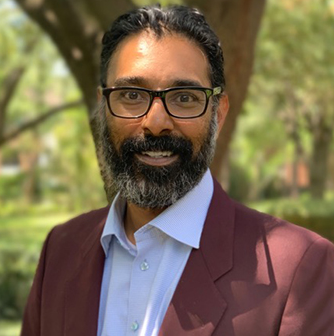
Addiction Medicine Neurologist
Dr. Kamal Shah is a behavioral neurologist and addiction medicine specialist who combines over a decade of personal sobriety with medical expertise. Founder of Aftercare Doctors, he integrates neuroscience, trauma-informed care, and community support to help patients achieve lasting recovery.